Deter PRC Aggression Against Taiwan Act
Summary
What This Bill Does
The bill is a deterrence planning measure. It states that the United States should be ready to impose sanctions on PRC military and non-military entities involved in aggression against Taiwan, defines the committees and covered PRC actors, creates a PRC Sanctions Task Force led by the State Department sanctions coordinator and OFAC, and requires annual classified reports on implementation and readiness. It also preserves the One China policy as a rule of construction.
Who Benefits and How
Taiwan benefits because U.S. sanctions planning can raise the expected cost of PRC aggression or coercion. The State Department sanctions coordinator benefits from a formal task force structure for identifying sanctionable PRC entities. OFAC benefits from early planning and interagency coordination before a Taiwan crisis occurs. Congressional foreign relations committees benefit from classified annual reports on sanctions readiness.
Who Bears the Burden and How
PRC military entities face potential sanctions exposure if they participate in aggression against Taiwan. PRC state-linked companies face higher compliance risk if they support military or non-military coercion. State Department sanctions staff must convene the task force and prepare briefings and reports. OFAC staff must coordinate sanctions planning, entity identification, and classified reporting.
Key Provisions
- Establishes a congressional policy of immediate sanctions readiness if PRC entities act against Taiwan.
- Adds definitions for covered committees, PRC entities, and related sanctions terms.
- Creates a PRC Sanctions Task Force led by State and OFAC officials.
- Requires annual classified reports on task force work and sanctions readiness.
- Provides a rule of construction preserving the United States One China policy.
Evidence Chain:
This summary is generated from the full bill text using AI analysis. Expand "Detailed Analysis" below for identified beneficiaries/burden bearers with clause-level evidence links.
At a Glance
What This Bill Does
Creates a State-Treasury PRC sanctions task force and annual reporting process so the United States can prepare sanctions against PRC entities if China attacks or coerces Taiwan.
Key Policy Areas
Foreign Affairs, Sanctions, Taiwan
Primary Purpose
Creates a State-Treasury PRC sanctions task force and annual reporting process so the United States can prepare sanctions against PRC entities if China attacks or coerces Taiwan.
Policy Domains
Bill provisions
Identified Gains
- Taiwan
- State Department sanctions coordinator
- OFAC
- Congressional foreign relations committees
Identified Costs
- PRC military entities
- PRC state-linked companies
- State Department sanctions staff
- OFAC staff
Sponsors


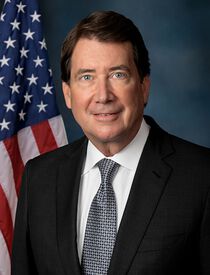


Legislative Progress
ReportedPlaced on Senate Legislative Calendar under General Orders. Calendar No. …
Reported by Mr. Risch with an amendment
Committee on Foreign Relations. Reported by Senator Risch with an …
Committee on Foreign Relations. Ordered to be reported with an …
Introduced in Senate
Mr. Risch (for himself, Mrs. Shaheen, Mr. Coons, and Mr. …
Read twice and referred to the Committee on Foreign Relations.
Mr. Risch introduced the following bill; which was read twice …
Stakeholder Effects
cui bono?How this legislation distributes effects. Mention counts reflect frequency, not effect magnitude.
Congressional foreign relations committees, OFAC, PRC military entities
Positive-direction: Congressional foreign relations committees, Taiwan
Negative-direction: OFAC, PRC military entities, State Department sanctions coordinator
Bill Structure & Actor Mappings
Who is "The Secretary" in each section?
- "director"
- → Director of the Office of Foreign Assets Control
- "coordinator"
- → State Department Coordinator for Sanctions
We use a combination of our own taxonomy and classification in addition to large language models to assess meaning and potential beneficiaries. High confidence means strong textual evidence. Always verify with the original bill text.
Learn more about our methodology