To direct the Federal Trade Commission to conduct a study on the governance of neural data and other related data, and for other purposes.
Analysis under review: This bill has generated analysis that may be too generic or incomplete. Clause-level evidence remains available below.
Summary
What This Bill Does
This bill, the MIND Act of 2025, directs the Federal Trade Commission to conduct a study and produce a public report within one year on what authorities, regulations, and frameworks are needed to govern the collection, use, storage, and transfer of neural data and other related biometric and behavioral data that can reveal an individual's mental state. The study must cover privacy best practices, existing legal gaps, enforcement mechanisms, ethical AI considerations, security risks, and recommendations for consumer transparency and consent. It also requires OSTP and OMB to develop and issue binding guidance restricting how federal agencies may procure and use neurotechnology. The bill authorizes $10 million for the study.
Who Benefits and How
Consumers and the general public benefit from the prospect of future privacy protections for neural and biometric data, which currently lack comprehensive federal regulation. Civil liberties and consumer advocacy organizations gain a formal role in the consultation process. Academic researchers and clinical stakeholders are consulted, raising the profile of ethical neurotechnology governance. Responsible neurotechnology companies may benefit from a clearer regulatory environment that builds public trust and creates incentive structures such as R&D tax credits and regulatory sandboxes.
Who Bears the Burden and How
The Federal Trade Commission bears the primary compliance burden of conducting the study, consulting across government and industry, and producing the report within one year with annual updates. OSTP and OMB must develop binding guidance within 180 days of the report. Federal agencies face procurement restrictions on neurotechnology after the guidance takes effect. Neurotechnology companies and data brokers that currently operate without neural data regulation face potential future restrictions on collection, sale, and use of neural data. Companies engaged in neuromarketing, behavioral shaping, and neural data monetization face the prospect of prohibited use cases.
Key Provisions
- FTC must conduct a comprehensive study on neural data governance and submit a public report to Congress within 1 year
- Defines "neural data" as information from measuring nervous system activity, and "other related data" as biometric/behavioral data that can infer mental states
- Report must include recommendations on prohibited uses, consent frameworks, enforcement mechanisms, and cybersecurity protections
- OSTP must develop guidance on federal agency neurotechnology procurement within 180 days of the report
- OMB must issue binding implementation guidance to all federal agencies within 60 days after OSTP guidance
- Federal agencies prohibited from procuring or operating neurotechnology inconsistent with the guidance (effective 1 year after OMB issues guidance)
- Authorizes $10 million in appropriations
- Requires annual updates to the report findings
Evidence Chain:
This summary is generated from the full bill text using AI analysis. Expand "Detailed Analysis" below for identified beneficiaries/burden bearers.
At a Glance
What This Bill Does
Directs the Federal Trade Commission to conduct a comprehensive study on the governance of neural data and other biometric/behavioral data that can reveal mental states, and requires development of binding federal agency procurement and use guidance for neurotechnology based on the study findings.
Key Policy Areas
Privacy and Data Protection, Technology Regulation, Consumer Protection, National Security
Primary Purpose
Directs the Federal Trade Commission to conduct a comprehensive study on the governance of neural data and other biometric/behavioral data that can reveal mental states, and requires development of binding federal agency procurement and use guidance for neurotechnology based on the study findings.
Policy Domains
Neural Data Governance Study and Federal Procurement Restrictions
Identified Gains
Contextual inference, no direct clause citation- Consumers and the general public (future privacy protections for neural data)
- Civil liberties and consumer advocacy organizations (formal consultation role)
- Responsible neurotechnology companies (clearer regulatory environment, incentive structures)
- Academic and clinical research stakeholders (consultation role, ethical innovation support)
Contextual inference, no direct clause citation
Identified Costs
Contextual inference, no direct clause citation- Federal Trade Commission (must conduct study, produce report, annual updates)
- OSTP and OMB (must develop and issue binding guidance)
- Federal agencies (procurement restrictions on neurotechnology)
- Neurotechnology companies and data brokers (potential future regulation of neural data practices)
- Neuromarketing and behavioral shaping firms (prospect of prohibited use cases)
Contextual inference, no direct clause citation
Sponsors
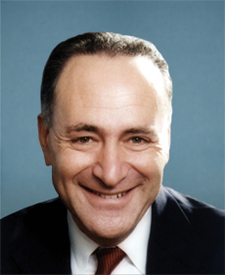
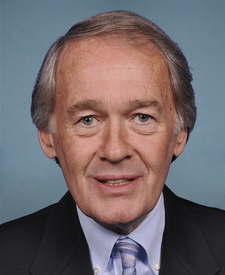

Legislative Progress
IntroducedMr. Schumer (for himself, Ms. Cantwell, and Mr. Markey) introduced …
Stakeholder Effects
cui bono?How this legislation distributes effects. Mention counts reflect frequency, not effect magnitude.
Compliant neurotechnology vendors meeting ethical standards, Neurotechnology companies, Neurotechnology device manufacturers
Positive-direction: Compliant neurotechnology vendors meeting ethical standards, Responsible neurotechnology innovators (ethical companies)
Negative-direction: Neurotechnology companies, Neurotechnology device manufacturers, Neurotechnology vendors to federal government
Federal Trade Commission, Federal agencies procuring neurotechnology
Data brokers dealing in neural and biometric data
Consumer advocacy and civil liberties organizations
General public (privacy protection from government surveillance)
Bill Structure & Actor Mappings
Who is "The Secretary" in each section?
- "the_commission"
- → Federal Trade Commission
- "the_director_omb"
- → Director of the Office of Management and Budget
- "the_director_ostp"
- → Director of the Office of Science and Technology Policy
Key Definitions
Terms defined in this bill
We use a combination of our own taxonomy and classification in addition to large language models to assess meaning and potential beneficiaries. High confidence means strong textual evidence. Always verify with the original bill text.
Learn more about our methodology