To require sellers of event tickets to disclose comprehensive information to consumers about ticket prices and related fees, to prohibit speculative ticketing, and for other purposes.
Summary
What This Bill Does
The bill covers ticket issuers, secondary market ticket issuers, and secondary market ticket exchanges for live events with venues above 200 persons and interstate ticketing or marketing. It requires clear resale disclosures, prohibits claims of affiliation or endorsement by venues, teams, or artists without agreement or written consent, and bars unauthorized venue names or misspellings in resale URLs. Beginning 180 days after enactment, covered sellers must provide full refunds for canceled events, comparable replacement tickets or refund choices for postponements depending on duration and ticket validity, refund-policy disclosures before sale, and clear refund instructions. FTC enforces the bill and must report to Congress within six months on BOTS Act enforcement, challenges, state attorney general coordination, and compliance recommendations.
Who Benefits and How
Ticket purchasers benefit from clear resale disclosures, refund rights, replacement-ticket options, and transparent refund instructions. Artists benefit because resellers cannot imply official affiliation or endorsement without consent. Venues benefit because unauthorized use of venue names or misspellings in resale URLs is prohibited. Sports teams benefit from protection against false endorsement claims in ticket promotions. The Federal Trade Commission benefits from explicit enforcement authority and a reporting mandate on BOTS Act enforcement. State attorneys general benefit from FTC analysis of coordination challenges and recommendations.
Who Bears the Burden and How
Ticket issuers must disclose refund policies, provide refunds or replacement tickets, and avoid misleading resale or affiliation claims. Secondary market ticket issuers must make resale disclosures and comply with cancellation and postponement refund rules. Secondary market ticket exchanges must police listings, URL practices, affiliation claims, and refund instructions. The Federal Trade Commission must enforce violations and submit a BOTS Act enforcement report within six months. Speculative or misleading ticket sellers face higher enforcement exposure and limits on official-sounding marketing.
Key Provisions
- Requires clear and conspicuous resale disclosures before consumers buy resale event tickets.
- Prohibits false claims of affiliation or endorsement by a venue, team, or artist without partnership agreement or express written consent.
- Bars unauthorized venue names and misspellings in resale issuer or exchange URLs.
- Requires full refunds for canceled events and refund or comparable replacement-ticket options for covered postponements.
- Requires pre-sale refund-policy disclosures and clear instructions for obtaining refunds.
- Provides FTC enforcement and requires a six-month report on BOTS Act enforcement and compliance improvements.
Evidence Chain:
This summary is generated from the full bill text using AI analysis. Expand "Detailed Analysis" below for identified beneficiaries/burden bearers with clause-level evidence links.
At a Glance
What This Bill Does
Regulates event ticket sales by requiring resale disclosures, banning false official-affiliation claims and unauthorized venue-name URLs, requiring refunds or comparable replacement tickets for covered cancellations and postponements, requiring refund-policy disclosures, and giving the FTC enforcement and BOTS Act reporting duties.
Key Policy Areas
Consumer Protection, Commerce
Primary Purpose
Regulates event ticket sales by requiring resale disclosures, banning false official-affiliation claims and unauthorized venue-name URLs, requiring refunds or comparable replacement tickets for covered cancellations and postponements, requiring refund-policy disclosures, and giving the FTC enforcement and BOTS Act reporting duties.
Policy Domains
Bill provisions
Identified Gains
- Consumer ticket purchasers
- Artist managers
- Venue operators
- Sports team owners
- Federal Trade Commission
- State attorneys general
Identified Costs
- Ticketing providers
- Secondary market ticketing providers
- Secondary market ticket exchanges
- Federal Trade Commission
- Misleading ticket sellers
Sponsors
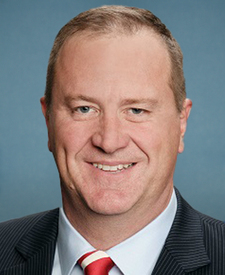
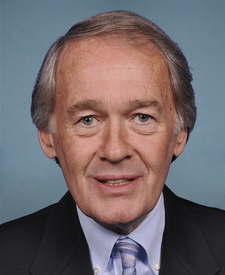
Legislative Progress
ReportedReported by Mr. Cruz, with amendments
Mr. Schmitt (for himself and Mr. Markey) introduced the following …
Stakeholder Effects
cui bono?How this legislation distributes effects. Mention counts reflect frequency, not effect magnitude.
Secondary market ticket exchanges, Ticket issuers
Bill Structure & Actor Mappings
Who is "The Secretary" in each section?
- "commission"
- → Federal Trade Commission
We use a combination of our own taxonomy and classification in addition to large language models to assess meaning and potential beneficiaries. High confidence means strong textual evidence. Always verify with the original bill text.
Learn more about our methodology