To prohibit the distribution of materially deceptive AI-generated audio or visual media relating to candidates for Federal office, and for other purposes.
Analysis under review: This bill has generated analysis that may be too generic or incomplete. Clause-level evidence remains available below.
Summary
What This Bill Does
This bill makes it illegal to knowingly spread deceptive AI-generated deepfakes of federal election candidates when the purpose is to influence elections or raise money. It defines deepfakes as AI-created images, audio, or video that appear authentic but would mislead a reasonable person about what a candidate actually said or did.
Who Benefits and How
Federal election candidates gain legal protection against having their likeness manipulated by AI deepfakes. They can sue for injunctive relief to stop distribution of deepfakes and recover damages including attorney fees. Violations constitute defamation per se, making it easier to win lawsuits.
Who Bears the Burden and How
Political committees, PACs, and individuals who create or distribute election-related deepfakes face civil liability including damages and attorney fees. AI companies and social media platforms may face increased compliance pressure though they are not directly regulated. Satirists and news organizations must ensure proper disclosure when covering deepfakes.
Key Provisions
- Prohibits knowing distribution of materially deceptive AI-generated media of federal candidates to influence elections
- Creates exemptions for news coverage (with disclosure), periodicals (with disclosure), and satire/parody
- Allows candidates to sue for injunctive relief and damages with expedited court procedures
- Establishes violation as defamation per se
Evidence Chain:
This summary is generated from the full bill text using AI analysis. Expand "Detailed Analysis" below for identified beneficiaries/burden bearers.
At a Glance
What This Bill Does
Prohibits the knowing distribution of materially deceptive AI-generated audio or visual media (deepfakes) of federal election candidates with intent to influence elections or solicit funds
Key Policy Areas
Elections, Technology Regulation, Consumer Protection, Civil Rights
Primary Purpose
Prohibits the knowing distribution of materially deceptive AI-generated audio or visual media (deepfakes) of federal election candidates with intent to influence elections or solicit funds
Policy Domains
Section 2 - Prohibition on AI Deepfakes in Elections
Identified Gains
Contextual inference, no direct clause citation- Federal election candidates
- Voters seeking accurate election information
- Election integrity advocates
Contextual inference, no direct clause citation
Identified Costs
Contextual inference, no direct clause citation- Political committees and PACs
- Individuals creating election deepfakes
- Social media platforms
- AI content generation services
Contextual inference, no direct clause citation
Section 325 - New FECA Section
Identified Gains
Contextual inference, no direct clause citation- Federal election candidates
- Legal professionals
Contextual inference, no direct clause citation
Identified Costs
Contextual inference, no direct clause citation- Deepfake distributors
- Political operatives
Contextual inference, no direct clause citation
Sponsors
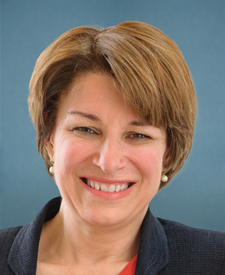
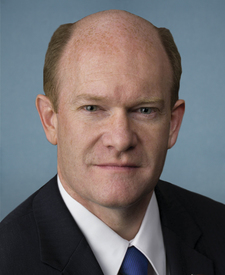
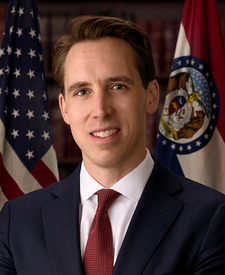
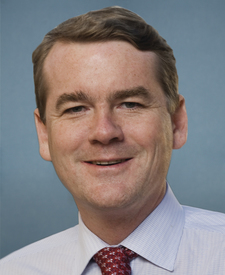
Legislative Progress
ReportedReported by Ms. Klobuchar, with an amendment
Ms. Klobuchar (for herself, Mr. Hawley, Mr. Coons, and Ms. …
Ms. Klobuchar (for herself, Mr. Hawley, Mr. Coons, Ms. Collins, …
Stakeholder Effects
cui bono?How this legislation distributes effects. Mention counts reflect frequency, not effect magnitude.
Political committees and PACs, Political operatives
AI content generation services, Social media platforms
Legal professionals handling election cases
Deepfake creators and distributors
Bill Structure & Actor Mappings
Who is "The Secretary" in each section?
Key Definitions
Terms defined in this bill
A candidate for Federal office
An image, audio, or video that is the product of artificial intelligence or machine learning that merges, combines, replaces, or superimposes content creating authentic-appearing media, or generates inauthentic authentic-appearing media, where a reasonable person would have a fundamentally different understanding than from the original or would believe it accurately represents conduct that did not occur
Has the meaning given in section 301(20)(A)(iii) of FECA
We use a combination of our own taxonomy and classification in addition to large language models to assess meaning and potential beneficiaries. High confidence means strong textual evidence. Always verify with the original bill text.
Learn more about our methodology