STOP Act 2.0
Analysis under review: This bill has generated analysis that may be too generic or incomplete. Clause-level evidence remains available below.
Summary
What This Bill Does
The bill creates a new federal criminal offense for knowingly misrepresenting the country of origin of an international mail shipment in data required under section 343(a) of the Trade Act of 2002, punishable by up to 5 years, requires terminates the authority under the STOP Act of 2018 to exclude countries from the requirement that advance electronic information be provided for 100 percent of international mail shipments, with a 5-year, and requires replaces existing STOP Act reporting requirements with comprehensive annual DHS reporting to Congress on compliance with advance electronic information requirements, including USPS vs private carrier. It relies on reporting requirements, compliance mandates, liability protections, and exemptions. The main policy areas are Drug Enforcement, Transportation, Criminal Justice, and Foreign Policy.
Who Benefits and How
U.S. Customs and Border Protection would be affected, Congressional oversight committees would be affected, and U.S. law enforcement agencies would be affected.
Who Bears the Burden and How
United States Postal Service would be affected, International mail shippers engaging in origin fraud would be affected, and Foreign postal operators in currently-exempted countries would be affected.
Key Provisions
- Creates a new federal criminal offense for knowingly misrepresenting the country of origin of an international mail shipment in data required under section 343(a) of the Trade Act of 2002, punishable by up to 5 years...
- Requires terminates the authority under the STOP Act of 2018 to exclude countries from the requirement that advance electronic information be provided for 100 percent of international mail shipments, with a 5-year...
- Requires replaces existing STOP Act reporting requirements with comprehensive annual DHS reporting to Congress on compliance with advance electronic information requirements, including USPS vs private carrier...
- Authorizes the Secretary of Homeland Security, in consultation with the Secretary of State, to share and receive information with allied foreign governments regarding shippers with histories of transporting illicit...
- Mandates the Comptroller General (GAO) to submit a congressional report within one year evaluating STOP Act implementation, identifying fentanyl trafficking risks and gaps, analyzing compliance differences between USPS...
Evidence Chain:
This summary is generated from the full bill text using AI analysis. Expand "Detailed Analysis" below for identified beneficiaries/burden bearers with clause-level evidence links.
At a Glance
What This Bill Does
The bill creates a new federal criminal offense for knowingly misrepresenting the country of origin of an international mail shipment in data required under section 343(a) of the Trade Act of 2002, punishable by up to 5 years, requires terminates the authority under the STOP Act of 2018 to exclude countries from the requirement that advance electronic information be provided for 100 percent of international mail shipments, with a 5-year, and requires replaces existing STOP Act reporting requirements with comprehensive annual DHS reporting to Congress on compliance with advance electronic information requirements, including USPS vs private carrier.
Key Policy Areas
Drug Enforcement, Transportation, Criminal Justice, Foreign Policy
Primary Purpose
The bill creates a new federal criminal offense for knowingly misrepresenting the country of origin of an international mail shipment in data required under section 343(a) of the Trade Act of 2002, punishable by up to 5 years, requires terminates the authority under the STOP Act of 2018 to exclude countries from the requirement that advance electronic information be provided for 100 percent of international mail shipments, with a 5-year, and requires replaces existing STOP Act reporting requirements with comprehensive annual DHS reporting to Congress on compliance with advance electronic information requirements, including USPS vs private carrier.
Policy Domains
Whole bill
Identified Gains
- U.S. Customs and Border Protection
- Congressional oversight committees
- U.S. law enforcement agencies
- Department of Homeland Security
- Allied foreign governments and law enforcement
Identified Costs
- United States Postal Service
- International mail shippers engaging in origin fraud
- Foreign postal operators in currently-exempted countries
- Drug trafficking organizations using mail system
- Drug trafficking networks operating across borders
Sponsors

Legislative Progress
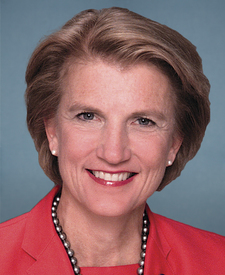
In CommitteeMs. Klobuchar (for herself and Mrs. Capito) introduced the following …
Read twice and referred to the Committee on Finance.
Introduced in Senate
Stakeholder Effects
cui bono?How this legislation distributes effects. Mention counts reflect frequency, not effect magnitude.
Congressional oversight committees, Customs and Border Protection, Department of Homeland Security
Department of Homeland Security faces effects in multiple directions
Positive-direction: Congressional oversight committees, Customs and Border Protection, U.S. law enforcement agencies
Negative-direction: Government Accountability Office
Drug traffickers routing through exempted countries, Drug trafficking networks operating across borders, Drug trafficking organizations using mail system
International mail shippers engaging in origin fraud, Shippers with history of transporting illicit substances
Foreign postal operators, Foreign postal operators in currently-exempted countries
Allied foreign governments and law enforcement, Countries with weak postal data infrastructure
Positive-direction: Allied foreign governments and law enforcement
Negative-direction: Countries with weak postal data infrastructure
Private mail carriers, Private mail carriers (e.g., FedEx, UPS, DHL)
Bill Structure & Actor Mappings
Who is "The Secretary" in each section?
We use a combination of our own taxonomy and classification in addition to large language models to assess meaning and potential beneficiaries. High confidence means strong textual evidence. Always verify with the original bill text.
Learn more about our methodology