To establish the Office of High-Risk AFO Disaster Mitigation and Enforcement in the Department of Agriculture, and for other purposes.
Analysis under review: This bill has generated analysis that may be too generic or incomplete. Clause-level evidence remains available below.
Summary
What This Bill Does
This bill establishes comprehensive regulations for large industrial animal feeding operations (factory farms) with 2,500+ swine or 30,000+ poultry. It creates a new USDA office to oversee disaster preparedness, restricts cruel animal depopulation methods like ventilation shutdown and sodium nitrite poisoning, and requires industrial operators to bear the full costs of disaster events including animal disposal and worker compensation.
Who Benefits and How
Small and medium-sized meat processors benefit from $750 million in grants to transition to humane slaughter methods, plus expanded access to USDA inspection services. Meatpacking workers gain significant protections including 2 years of health coverage after disaster events, hazard pay, paid mental health leave, and anti-retaliation protections. Communities near factory farms benefit from required environmental compliance for animal disposal and liability for health/property impacts. Animal welfare is improved through bans on cruel depopulation methods and requirements for humane handling of nonambulatory livestock.
Who Bears the Burden and How
Large industrial meat and poultry producers (those with 2,500+ swine, 30,000+ turkeys/ducks, or 82,000+ chickens) face substantial new compliance costs: mandatory registration with USDA, detailed disaster mitigation plans, liability for all depopulation costs, worker compensation requirements, and potential loss of federal contracts for using incarcerated workers. Large meatpacking companies must terminate high-speed slaughter programs and hire more inspectors. Companies using restricted depopulation methods face loss of federal contracts and inspection eligibility for 10 years.
Key Provisions
- Creates Office of High-Risk AFO Disaster Mitigation and Enforcement within USDA
- Bans ventilation shutdown, sodium nitrite poisoning, and water-based foaming for animal depopulation (violators lose federal contracts for 10 years)
- Requires industrial operators to provide 2 years of health coverage and hazard pay to workers involved in disaster mitigation
- Appropriates $750 million for grants to transition poultry facilities from live-shackle slaughter to controlled-atmosphere stunning
- Terminates high-speed slaughter programs (New Swine Slaughter Inspection System, New Poultry Inspection System)
- Authorizes $50 million/year for FSIS inspectors and $60 million/year for OSHA inspectors
Evidence Chain:
This summary is generated from the full bill text using AI analysis. Expand "Detailed Analysis" below for identified beneficiaries/burden bearers.
At a Glance
What This Bill Does
Regulates large-scale industrial animal feeding operations (factory farms) by requiring disaster mitigation plans, restricting inhumane depopulation methods, protecting workers during disaster events, and improving meat/poultry inspection and slaughter practices.
Key Policy Areas
Agriculture, Animal Welfare, Labor, Food Safety, Environment
Primary Purpose
Regulates large-scale industrial animal feeding operations (factory farms) by requiring disaster mitigation plans, restricting inhumane depopulation methods, protecting workers during disaster events, and improving meat/poultry inspection and slaughter practices.
Policy Domains
Title II - Transitioning to Humane Slaughter
Identified Gains
Contextual inference, no direct clause citation- Small and mid-sized poultry processors
- Animal welfare advocates
Contextual inference, no direct clause citation
Identified Costs
Contextual inference, no direct clause citation- Large poultry packers
Contextual inference, no direct clause citation
Title I, Subtitle A - High-Risk AFO Disaster Mitigation
Identified Gains
Contextual inference, no direct clause citation- Small and mid-sized livestock/poultry producers
- Communities near factory farms
- Animal welfare advocates
- Environmental groups
Contextual inference, no direct clause citation
Identified Costs
Contextual inference, no direct clause citation- Large industrial meat/poultry producers
- Concentrated animal feeding operations (CAFOs)
Contextual inference, no direct clause citation
Title I, Subtitle B - Worker Protections
Identified Gains
Contextual inference, no direct clause citation- Meatpacking workers
- Contract growers
- Labor unions
Contextual inference, no direct clause citation
Identified Costs
Contextual inference, no direct clause citation- Large industrial meat/poultry producers
Contextual inference, no direct clause citation
Title III, Subtitle A - Transport
Identified Gains
Contextual inference, no direct clause citation- Animal welfare advocates
- Agricultural research institutions
Contextual inference, no direct clause citation
Identified Costs
Contextual inference, no direct clause citation- Livestock/poultry transporters
Contextual inference, no direct clause citation
Title III, Subtitle B - Slaughter Practices
Identified Gains
Contextual inference, no direct clause citation- Animal welfare advocates
Contextual inference, no direct clause citation
Identified Costs
Contextual inference, no direct clause citation- Slaughterhouses
- Meatpackers
- Stockyards
Contextual inference, no direct clause citation
Title III, Subtitle C - Inspection and Safety
Identified Gains
Contextual inference, no direct clause citation- Meatpacking workers
- Food safety advocates
- FSIS inspectors
- OSHA
Contextual inference, no direct clause citation
Identified Costs
Contextual inference, no direct clause citation- Large meatpacking companies
Contextual inference, no direct clause citation
Sponsors
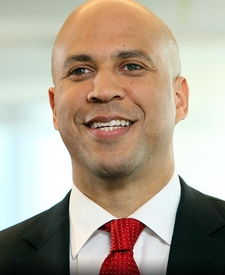
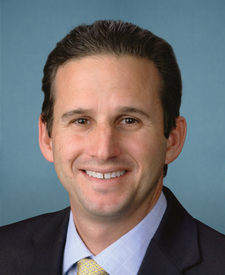

Legislative Progress
IntroducedMr. Booker (for himself, Ms. Warren, and Mr. Schatz) introduced …
Stakeholder Effects
cui bono?How this legislation distributes effects. Mention counts reflect frequency, not effect magnitude.
Contract poultry and livestock growers, Contract poultry growers, Industrial animal feeding operations
Positive-direction: Contract poultry and livestock growers, Contract poultry growers, Meatpacking and poultry processing workers, Meatpacking workers, Small and mid-sized meat and poultry processors, Small and mid-sized meat processors, Small and mid-sized poultry processing facilities, Small and pasture-based livestock producers
Negative-direction: Large industrial animal feeding operations, Large industrial livestock and poultry producers, Large industrial meat and poultry producers, Large industrial poultry and swine producers, Large meatpacking establishments, Large poultry packers (>10% market share), Large poultry slaughter facilities, Large swine slaughter facilities, Meat and poultry processing establishments, Meatpackers, Meatpackers and livestock dealers, Slaughterhouses and meat processing establishments, Stockyards and livestock dealers, Stockyards and livestock market agencies
FSIS (Food Safety and Inspection Service), OSHA (Occupational Safety and Health Administration), USDA (Department of Agriculture)
Animal welfare and environmental advocacy groups, Environmental and animal welfare advocacy groups
Livestock and poultry transport companies (trucking), Rail carriers transporting livestock
Land-grant universities and agricultural research institutions
Humane depopulation equipment and service providers
Bill Structure & Actor Mappings
Who is "The Secretary" in each section?
- "the_secretary"
- → Secretary of Agriculture
- "the_secretary"
- → Secretary of Agriculture
- "the_secretary"
- → Secretary of Labor
- "the_secretary_ag"
- → Secretary of Agriculture
- "the_secretary"
- → Secretary of Agriculture
- "the_secretary"
- → Secretary of Agriculture
- "the_secretary"
- → Secretary of Agriculture
- "the_secretary"
- → Secretary of Agriculture
Note: The Secretary refers to Secretary of Agriculture in most sections, but Secretary of Labor in Section 123 (prohibition on incarcerated workers)
Key Definitions
Terms defined in this bill
The Secretary of Agriculture
A facility where animals are stabled/confined and fed for at least 45 days per year without sustained vegetation
Entity owning/controlling 2,500+ swine, 30,000+ turkeys/ducks, or 82,000+ laying hens/broilers in an AFO
Rapid destruction of a population of animals in response to urgent circumstances
Emergency causing damage/danger including disease outbreaks, natural disasters, supply chain disruptions
Sodium nitrite poisoning, ventilation shutdown, ventilation shutdown plus, water-based foaming, or other methods identified by Secretary
Employee performing labor in connection with a disaster mitigation event for a covered industrial operator
We use a combination of our own taxonomy and classification in addition to large language models to assess meaning and potential beneficiaries. High confidence means strong textual evidence. Always verify with the original bill text.
Learn more about our methodology