Telehealth Modernization Act
Summary
What This Bill Does
The bill exempts extends 8+ Medicare telehealth flexibility sunset dates from September 30, 2025 to September 30, 2027, covering geographic originating site waivers, audio-only telehealth, FQHC/rural health clinic telehealth, requires hospice claims to include modifier codes when telehealth is used for face-to-face recertification encounters, effective January 2026, enabling CMS to track and distinguish telehealth vs in-person hospice, and requires extends the Acute Hospital Care at Home waiver program from 2025 to 2030, and mandates two comprehensive HHS studies comparing quality, cost, staffing, socioeconomic factors, and selection bias between. It relies on exemptions, reporting requirements, compliance mandates, and definition changes. The main policy areas are Healthcare.
Who Benefits and How
Virtual/digital health diabetes prevention companies would be affected, Telehealth service providers (physicians, specialists) could gain revenue opportunities, and Hospitals operating Hospital at Home programs could gain revenue opportunities.
Who Bears the Burden and How
Medicare Trust Fund could face higher costs, Fraudulent DME suppliers and billing schemes could lose revenue opportunities, and Hospice providers under enrollment moratorium or enhanced oversight would be affected.
Key Provisions
- Exempts extends 8+ Medicare telehealth flexibility sunset dates from September 30, 2025 to September 30, 2027, covering geographic originating site waivers, audio-only telehealth, FQHC/rural health clinic telehealth...
- Requires hospice claims to include modifier codes when telehealth is used for face-to-face recertification encounters, effective January 2026, enabling CMS to track and distinguish telehealth vs in-person hospice...
- Requires extends the Acute Hospital Care at Home waiver program from 2025 to 2030, and mandates two comprehensive HHS studies comparing quality, cost, staffing, socioeconomic factors, and selection bias between...
- Creates new aberrant billing pattern detection for DME items ordered by physicians without prior 24-month patient relationship, enables prepayment review for flagged items starting January 2028, extends these rules...
- Exempts allows virtual-only participation in the Medicare Diabetes Prevention Program (MDPP), permits cross-state billing for online MDPP services, and removes limits on individual re-enrollment, effective January 2026...
Evidence Chain:
This summary is generated from the full bill text using AI analysis. Expand "Detailed Analysis" below for identified beneficiaries/burden bearers with clause-level evidence links.
At a Glance
What This Bill Does
The bill exempts extends 8+ Medicare telehealth flexibility sunset dates from September 30, 2025 to September 30, 2027, covering geographic originating site waivers, audio-only telehealth, FQHC/rural health clinic telehealth, requires hospice claims to include modifier codes when telehealth is used for face-to-face recertification encounters, effective January 2026, enabling CMS to track and distinguish telehealth vs in-person hospice, and requires extends the Acute Hospital Care at Home waiver program from 2025 to 2030, and mandates two comprehensive HHS studies comparing quality, cost, staffing, socioeconomic factors, and selection bias between.
Key Policy Areas
Healthcare
Primary Purpose
The bill exempts extends 8+ Medicare telehealth flexibility sunset dates from September 30, 2025 to September 30, 2027, covering geographic originating site waivers, audio-only telehealth, FQHC/rural health clinic telehealth, requires hospice claims to include modifier codes when telehealth is used for face-to-face recertification encounters, effective January 2026, enabling CMS to track and distinguish telehealth vs in-person hospice, and requires extends the Acute Hospital Care at Home waiver program from 2025 to 2030, and mandates two comprehensive HHS studies comparing quality, cost, staffing, socioeconomic factors, and selection bias between.
Policy Domains
Whole bill
Identified Gains
- Virtual/digital health diabetes prevention companies
- Telehealth service providers (physicians, specialists)
- Hospitals operating Hospital at Home programs
- Rural health clinics
- Medicare beneficiaries in rural and underserved areas
Identified Costs
- Medicare Trust Fund
- Fraudulent DME suppliers and billing schemes
- Hospice providers under enrollment moratorium or enhanced oversight
- DME suppliers with orders from non-treating physicians
- Hospice providers using telehealth for recertification
Sponsors

Legislative Progress
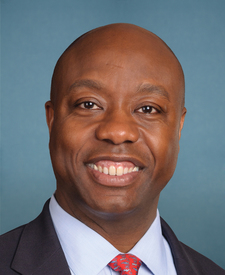
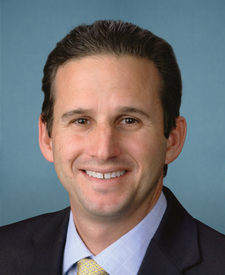
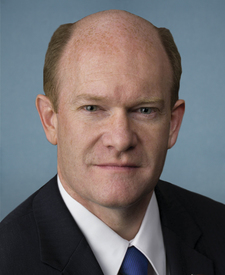
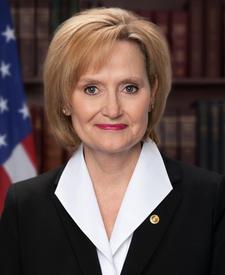
In CommitteeMr. Scott of South Carolina (for himself, Mr. Schatz, Mrs. …
Read twice and referred to the Committee on Finance.
Introduced in Senate
Stakeholder Effects
cui bono?How this legislation distributes effects. Mention counts reflect frequency, not effect magnitude.
DME suppliers with orders from non-treating physicians, Fraudulent DME suppliers and billing schemes, Hospitals operating Hospital at Home programs
Positive-direction: Hospitals operating Hospital at Home programs, Legitimate DME suppliers, Rural health clinics, Telehealth service providers (physicians, specialists)
Negative-direction: DME suppliers with orders from non-treating physicians, Fraudulent DME suppliers and billing schemes, In-person MDPP suppliers, Prosthetics, orthotics, and prosthetic device suppliers
CMS program integrity operations, HHS Inspector General, HHS Secretary
Positive-direction: CMS program integrity operations, Medicare Trust Fund
Negative-direction: HHS Inspector General, HHS Secretary
Medicare beneficiaries at risk for Type 2 diabetes, Medicare beneficiaries in hospice care, Patients eligible for hospital-level home care
Telehealth platform and technology companies, Virtual/digital health diabetes prevention companies
Hospice providers under enrollment moratorium or enhanced oversight, Hospice providers using telehealth for recertification
Bill Structure & Actor Mappings
Who is "The Secretary" in each section?
We use a combination of our own taxonomy and classification in addition to large language models to assess meaning and potential beneficiaries. High confidence means strong textual evidence. Always verify with the original bill text.
Learn more about our methodology