To address the homelessness and housing crises, to move toward the goal of providing for a home for all Americans, and for other purposes.
Analysis under review: This bill has generated analysis that may be too generic or incomplete. Clause-level evidence remains available below.
Summary
What This Bill Does
This bill authorizes over $150 billion in federal spending over 10 years to address the homelessness and housing crisis in the United States. It dramatically expands affordable housing programs including the Housing Trust Fund ($45 billion/year), HOME Investment Partnerships ($40 billion), housing vouchers, and supportive housing for seniors and people with disabilities.
Who Benefits and How
Extremely low-income households receive expanded housing vouchers and access to affordable rental units. Elderly and disabled individuals benefit from billions in supportive housing funding. Homeless populations gain access to permanent housing, emergency services, and coordinated care programs. Affordable housing developers and nonprofit service providers receive substantial new grant and appropriation funding. State and local governments receive grants for technical assistance and program administration.
Who Bears the Burden and How
Taxpayers bear the cost of the $150+ billion in new spending authorizations. Federal agencies (HUD, DOJ, HHS) face increased administrative responsibilities. No significant new mandates are placed on private industry.
Key Provisions
- Authorizes $45 billion/year for the Housing Trust Fund (10x current funding)
- Creates 500,000 new housing vouchers targeting extremely low-income households
- Establishes Commission on Racial Equity in Housing
- Funds hotel/motel conversions to permanent supportive housing
- Creates eviction protection legal assistance program
Evidence Chain:
This summary is generated from the full bill text using AI analysis. Expand "Detailed Analysis" below for identified beneficiaries/burden bearers.
At a Glance
What This Bill Does
Provides massive federal investment in affordable housing, homelessness prevention, and supportive services for extremely low-income Americans, the elderly, disabled, and homeless populations
Key Policy Areas
Housing, Social Services, Healthcare, Transportation, Criminal Justice
Primary Purpose
Provides massive federal investment in affordable housing, homelessness prevention, and supportive services for extremely low-income Americans, the elderly, disabled, and homeless populations
Policy Domains
Title I - Investments in Affordable Housing
Identified Gains
Contextual inference, no direct clause citation- Extremely low-income households
- Elderly individuals
- People with disabilities
- Affordable housing developers
- State housing finance agencies
Contextual inference, no direct clause citation
Identified Costs
Contextual inference, no direct clause citation- Federal taxpayers
- HUD administrative staff
Contextual inference, no direct clause citation
Title II - Investments in Rental Assistance
Identified Gains
Contextual inference, no direct clause citation- Extremely low-income households
- Homeless individuals and families
- Rental property owners participating in voucher programs
- Nonprofit homeless service providers
Contextual inference, no direct clause citation
Identified Costs
Contextual inference, no direct clause citation- Federal taxpayers
Contextual inference, no direct clause citation
Title III - Investments in Homelessness Assistance
Identified Gains
Contextual inference, no direct clause citation- Homeless individuals living in vehicles
- Tenants facing eviction
- Individuals with behavioral health conditions
- Hotel/motel property owners
- Legal service providers
- Libraries
Contextual inference, no direct clause citation
Identified Costs
Contextual inference, no direct clause citation- Federal taxpayers
- State and local governments administering programs
Contextual inference, no direct clause citation
Sponsors
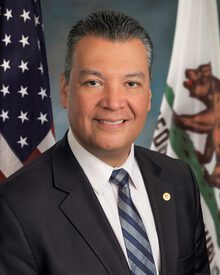
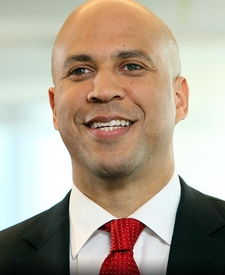
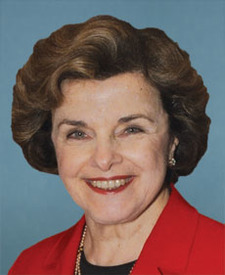
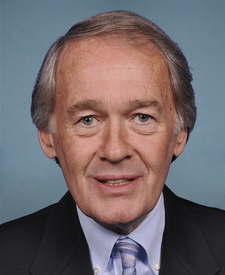
Legislative Progress
IntroducedMr. Padilla (for himself, Mrs. Feinstein, Ms. Hirono, Mr. Markey, …
Stakeholder Effects
cui bono?How this legislation distributes effects. Mention counts reflect frequency, not effect magnitude.
Elderly individuals needing affordable housing, Extremely low-income families, Extremely low-income households
Child welfare organizations, Continuum of Care grantees, Emergency shelter operators
Local governments, Local governments and housing authorities, Public housing authorities
Affordable housing developers, Bicycle and pedestrian infrastructure developers, Infill housing developers
Government Accountability Office, HUD Inspector General, HUD Secretary
Positive-direction: HUD Inspector General, HUD administrative staff, Tribal organizations, Tribally designated housing entities, US Interagency Council on Homelessness
Negative-direction: Government Accountability Office, HUD Secretary
Housing technical assistance providers, Legal service providers, Public defender systems
Library associations, Library consortiums, Public libraries
Bill Structure & Actor Mappings
Who is "The Secretary" in each section?
- "the_secretary"
- → Secretary of Housing and Urban Development
- "the_secretary"
- → Secretary of Housing and Urban Development
- "the_comptroller_general"
- → Comptroller General of the United States
- "the_secretary"
- → Secretary of Housing and Urban Development
- "the_attorney_general"
- → Attorney General
Key Definitions
Terms defined in this bill
Has the meaning given in section 401 of the McKinney-Vento Homeless Assistance Act (42 U.S.C. 11360)
Has the meanings given in section 103 of the McKinney-Vento Homeless Assistance Act (42 U.S.C. 11302)
Has the meanings given in section 4 of the Native American Housing Assistance and Self-Determination Act of 1996 (25 U.S.C. 4103)
Individuals who are or have been incarcerated or held in municipal, State, or Federal jails, prisons, juvenile facilities, or other types of detention facilities
A family with income not exceeding 50% of maximum for extremely low-income families, or an extremely low-income family with an individual receiving SSI benefits
We use a combination of our own taxonomy and classification in addition to large language models to assess meaning and potential beneficiaries. High confidence means strong textual evidence. Always verify with the original bill text.
Learn more about our methodology