Foreign Robocall Elimination Act
Summary
What This Bill Does
The bill creates a robocall task force within 270 days. The FCC chair, FTC chair, and Attorney General jointly appoint private-sector members with expertise in combating unlawful robocalls, including voice service providers, analytics providers, technologists, the Pallone-Thune TRACED Act consortium, a marketing business, a non-marketing business or nonprofit that calls consumers regularly, and a customer advocate. Federal agencies also participate when the FCC chair, in consultation with FTC and Justice, considers them appropriate.
Who Benefits and How
Consumers benefit because the task force concentrates federal and private expertise on unlawful robocall prevention and response. Voice service providers benefit from a formal role in shaping robocall mitigation recommendations. Analytics providers benefit from representation in a federal process focused on call authentication, detection, and blocking practices. Customer advocates benefit from a seat on the task force to represent people harmed by unlawful robocalls. The FCC benefits from a structured advisory forum that includes agencies, industry, technologists, and consumer advocates.
Who Bears the Burden and How
The FCC must establish and administer the task force within 270 days. The FTC and Attorney General must consult on task force formation and jointly appoint private-sector members. Federal agency representatives must participate when appointed by their agency heads. Marketing businesses that call consumers face scrutiny from a task force focused on unlawful robocalls. Private-sector task force members must contribute expertise without the bill itself creating direct regulatory relief.
Key Provisions
- Defines unlawful robocall, Commission, Consortium, Federal agency, and task force.
- Requires FCC creation of a task force on unlawful robocalls within 270 days after enactment.
- Includes federal agency representatives selected through consultation among FCC, FTC, Justice, and agency heads.
- Requires private-sector representation from voice service providers, analytics providers, technologists, the TRACED Act consortium, marketers, non-marketing callers, and customer advocates.
- Provides an interagency forum for coordinating expertise on unlawful robocall mitigation.
Evidence Chain:
This summary is generated from the full bill text using AI analysis. Expand "Detailed Analysis" below for identified beneficiaries/burden bearers with clause-level evidence links.
At a Glance
What This Bill Does
Requires the FCC, after consulting FTC and the Attorney General, to establish an interagency and private-sector task force on unlawful robocalls with representatives from federal agencies, voice service providers, analytics providers, technologists, the TRACED Act consortium, marketing and non-marketing callers, and consumer advocates.
Key Policy Areas
Telecommunications, Consumer Protection
Primary Purpose
Requires the FCC, after consulting FTC and the Attorney General, to establish an interagency and private-sector task force on unlawful robocalls with representatives from federal agencies, voice service providers, analytics providers, technologists, the TRACED Act consortium, marketing and non-marketing callers, and consumer advocates.
Policy Domains
Bill provisions
Identified Gains
- Consumers
- Voice service providers
- Analytics providers
- Customer advocates
- Federal Communications Commission
Identified Costs
- Federal Communications Commission
- Federal Trade Commission
- Attorney General
- Federal agency representatives
- Marketing businesses
Sponsors
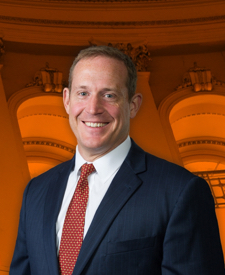

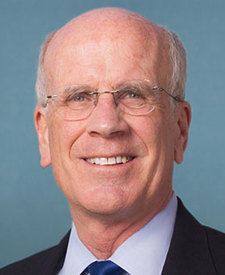
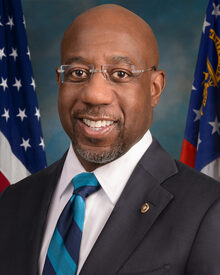
Legislative Progress
ReportedCommittee on Commerce, Science, and Transportation. Reported by Senator Cruz …
Placed on Senate Legislative Calendar under General Orders. Calendar No. …
Reported by Mr. Cruz, with an amendment
Committee on Commerce, Science, and Transportation. Ordered to be reported …
Introduced in Senate
Mr. Budd (for himself, Mr. Welch, Mr. Husted, and Mr. …
Mr. Budd (for himself and Mr. Welch) introduced the following …
Read twice and referred to the Committee on Commerce, Science, …
Stakeholder Effects
cui bono?How this legislation distributes effects. Mention counts reflect frequency, not effect magnitude.
Federal Communications Commission, Federal Trade Commission
Bill Structure & Actor Mappings
Who is "The Secretary" in each section?
- "ftc"
- → Federal Trade Commission
- "commission"
- → Federal Communications Commission
- "attorney_general"
- → Attorney General
We use a combination of our own taxonomy and classification in addition to large language models to assess meaning and potential beneficiaries. High confidence means strong textual evidence. Always verify with the original bill text.
Learn more about our methodology