ROAD to Housing Act of 2025
Summary
What This Bill Does
The ROAD to Housing Act is a broad housing package rather than a single-program authorization. It starts with housing counseling and financial-literacy planning, then expands or revises federal housing supply tools including the Rental Assistance Demonstration, Housing Supply Frameworks grants, whole-home repair support, Build Now and BUILD Housing tools, streamlined environmental review concepts, an Innovation Fund, housing near transit, and conversion of empty federal or other structures into residential use. It modernizes manufactured and modular housing policy through definitions, production support, FHA title I loan modernization, and PRICE Act preservation grants. It also changes small-dollar mortgage rules, appraisal standards, Housing Choice Voucher participation, CDBG disaster recovery, HOME, Rural Housing Service preservation and reporting, homelessness demonstrations, VA home-loan awareness, oversight testimony, FHA and USICH reporting, NeighborWorks accountability, interagency coordination, and self-sufficiency rules for families in HUD-assisted housing.
Who Benefits and How
Low-income renters benefit when Rental Assistance Demonstration, Housing Choice Voucher inspections, HOME reauthorization, and public housing self-sufficiency changes make subsidized housing easier to preserve or access. Housing developers benefit from grants, streamlined review concepts, transit-oriented housing incentives, and federal tools for converting empty structures into housing. Manufactured housing producers benefit from clearer federal definitions, modular-housing production support, title I loan modernization, and PRICE Act preservation money aimed at factory-built housing markets. Rural housing borrowers benefit from Rural Housing Service reform, preservation and revitalization authority, rural community development support, and annual reporting that highlights program bottlenecks. Veterans using VA home loans benefit because the Uniform Residential Loan Application would collect military-service information that can trigger VA-loan awareness. State housing agencies and local governments benefit from new planning, repair, disaster-recovery, homelessness, and housing-supply grant channels, but only if they can meet the bill's reporting and program-design requirements.
Who Bears the Burden and How
HUD must administer many new or revised housing programs, coordinate with USDA and VA, report on FHA and housing regulators, oversee NeighborWorks, and manage voucher, HOME, CDBG disaster-recovery, and homelessness reforms. Rural Housing Service staff must update preservation, revitalization, rural community development, reporting, and interagency coordination practices. Public housing agencies must absorb voucher inspection changes, Moving to Work cohort changes, self-sufficiency improvements, and any local implementation duties tied to new housing-supply programs. State housing agencies and local governments must prepare frameworks, applications, repair plans, transit-oriented housing strategies, disaster-recovery processes, and homelessness demonstrations to receive or use new support. Mortgage lenders, appraisers, and appraisal-management participants must adjust to small-dollar mortgage, appraisal-industry, and VA-loan disclosure changes. Congressional housing oversight committees receive more reports and testimony from housing regulators, HUD, USDA, VA, USICH, FHA, and NeighborWorks.
Key Provisions
- Expands federal housing-supply tools through Rental Assistance Demonstration changes, Housing Supply Frameworks support, whole-home repair policy, Build Now and BUILD Housing provisions, streamlined review concepts, an Innovation Fund, transit-oriented housing incentives, and residential conversion authority.
- Amends manufactured and modular housing law by defining modular units, supporting modular production, updating FHA title I manufactured-housing loan rules, and authorizing PRICE Act preservation and reinvestment activity.
- Modifies mortgage and appraisal rules through small-dollar mortgage provisions, appraisal-industry improvements, appraisal modernization, and savings support for families preparing to buy homes.
- Authorizes reforms for disaster recovery, HOME, Rural Housing Service preservation, rural community development, homelessness demonstrations, Moving to Work, and local homelessness-response incentives.
- Requires VA loan-awareness changes, annual regulator testimony, FHA reports, USICH oversight, NeighborWorks accountability, and HUD-USDA-VA coordination so housing agencies can be monitored more closely.
- Improves self-sufficiency rules for families in HUD-subsidized housing and preserves program-specific accountability rather than creating a single open-ended housing grant.
Evidence Chain:
This summary is generated from the full bill text using AI analysis. Expand "Detailed Analysis" below for identified beneficiaries/burden bearers with clause-level evidence links.
At a Glance
What This Bill Does
Combines housing-supply, manufactured-housing, voucher, disaster-recovery, rural-housing, homelessness, VA-loan, appraisal, and HUD oversight changes to expand affordable housing production and tighten program administration.
Key Policy Areas
Housing, Veterans, Disaster Recovery, Rural Development
Primary Purpose
Combines housing-supply, manufactured-housing, voucher, disaster-recovery, rural-housing, homelessness, VA-loan, appraisal, and HUD oversight changes to expand affordable housing production and tighten program administration.
Policy Domains
Bill provisions
Identified Gains
- Low-income renters
- Housing developers
- Manufactured housing producers
- Rural housing borrowers
- Veterans using VA home loans
- State housing agencies
- Local governments
- Homeless assistance providers
Identified Costs
- HUD
- Rural Housing Service
- Public housing agencies
- State housing agencies
- Local governments
- Mortgage lenders
- Appraisers
- Congressional housing oversight committees
Sponsors
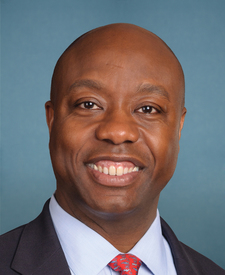
Legislative Progress
ReportedMr. Scott of South Carolina, from the Committee on Banking, …
Placed on Senate Legislative Calendar under General Orders. Calendar No. …
Committee on Banking, Housing, and Urban Affairs. Original measure reported …
Introduced in Senate
Stakeholder Effects
cui bono?How this legislation distributes effects. Mention counts reflect frequency, not effect magnitude.
Congressional housing oversight committees, HUD, Local governments
Positive-direction: Local governments, State housing agencies
Negative-direction: Congressional housing oversight committees, HUD, Public housing agencies, Rural Housing Service
Homeless assistance providers, Housing developers, Low-income renters
Bill Structure & Actor Mappings
Who is "The Secretary" in each section?
- "secretary"
- → Secretary of Housing and Urban Development
- "administrator"
- → Rural Housing Service Administrator
- "secretary_of_veterans_affairs"
- → Secretary of Veterans Affairs
We use a combination of our own taxonomy and classification in addition to large language models to assess meaning and potential beneficiaries. High confidence means strong textual evidence. Always verify with the original bill text.
Learn more about our methodology