To amend section 2702 of title 18, United States Code, to prevent law enforcement and intelligence agencies from obtaining subscriber or customer records in exchange for anything of value, to address communications and records in the possession of intermediary internet service providers, and for other purposes.
Analysis under review: This bill has generated analysis that may be too generic or incomplete. Clause-level evidence remains available below.
Summary
What This Bill Does
This bill, To amend section 2702 of title 18, United States Code, to prevent law enforcement and intelligence agencies from obtaining subscriber or customer records in exchange for anything of value, to address communications and records in the possession of intermediary internet service providers, and for other purposes., changes federal law or congressional policy affecting technology companies and users of digital services. The main policy domain is Technology, Foreign Policy, Criminal Justice.
Who Benefits and How
technology companies and users of digital services may benefit from new authority, funding, eligibility, regulatory clarity, or reduced risk created by the bill.
Who Bears the Burden and How
federal implementing agencies, technology companies and users of digital services may take on implementation duties, reporting obligations, compliance costs, or oversight responsibilities.
Key Provisions
- Section id779E9A612C634AD0935F0A63C8CC00A4: 1. Short title This Act may be cited as the Fourth Amendment Is Not For Sale Act.
- Section id92E50200C9284CDF8800241AC905435E: 2. Protection of records held by data brokers Section 2702 of title 18, United States Code, is amended by adding at the end the following: (e)Prohibition on...
- Section idD7FDA982170C4A29A96B0AD36DB2D329: 3. Required disclosure Section 2703 of title 18, United States Code, is amended by adding at the end the following: (i)Covered customer or subscriber records...
- Section id49C785A65AB04C4DA20226A83595CE36: 4. Intermediary service providers Section 2711 of title 18, United States Code, is amended— in paragraph (3), by striking and at the end; in paragraph (4), by...
- Section idA030744BB7404A158F0C64599CFA1E19: 5. Limits on surveillance conducted for foreign intelligence purposes other than under the Foreign Intelligence Surveillance Act of 1978 Section 2511(2)(f) of...
Evidence Chain:
This summary is generated from the full bill text using AI analysis. Expand "Detailed Analysis" below for identified beneficiaries/burden bearers with clause-level evidence links.
At a Glance
What This Bill Does
This bill, To amend section 2702 of title 18, United States Code, to prevent law enforcement and intelligence agencies from obtaining subscriber or customer records in exchange for anything of value, to address communications and records in the possession of intermediary internet service providers, and for other purposes., changes federal law or congressional policy affecting technology companies and users of digital services.
Key Policy Areas
Technology, Foreign Policy, Criminal Justice
Primary Purpose
This bill, To amend section 2702 of title 18, United States Code, to prevent law enforcement and intelligence agencies from obtaining subscriber or customer records in exchange for anything of value, to address communications and records in the possession of intermediary internet service providers, and for other purposes., changes federal law or congressional policy affecting technology companies and users of digital services.
Policy Domains
Whole bill
Identified Gains
- technology companies and users of digital services
Identified Costs
- federal implementing agencies
- technology companies and users of digital services
Sponsors
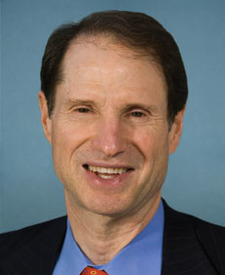
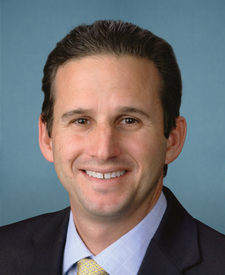



Legislative Progress
IntroducedMr. Wyden (for himself, Mr. Paul, Mr. Schatz, Mr. Lee, …
Impact analysis is available but no clear stakeholder effects identified. View clause-level analysis →
Bill Structure & Actor Mappings
Who is "The Secretary" in each section?
- "federal_implementing_agencies"
- → Federal agencies assigned duties by the bill
Key Definitions
Terms defined in this bill
a person who— is not a governmental entity
We use a combination of our own taxonomy and classification in addition to large language models to assess meaning and potential beneficiaries. High confidence means strong textual evidence. Always verify with the original bill text.
Learn more about our methodology