To direct the Director of the Federal Protective Service to establish guidance relating to emergency protocols for buildings, and for other purposes.
Analysis under review: This bill has generated analysis that may be too generic or incomplete. Clause-level evidence remains available below.
Summary
What This Bill Does
The Federal Building Threat Notification Act requires the Director of the Federal Protective Service to create standardized emergency communication protocols for federal buildings. Within one year, all federal buildings under FPS protection must have clear procedures to notify tenants about violent threats - including firearm incidents, weapons threats, terrorism, and suspicious devices - occurring inside or within 150 feet of the building perimeter.
Who Benefits and How
Federal building tenants (employees and visitors) benefit from improved safety information. Instead of inconsistent or delayed alerts, they will receive timely notifications and clear instructions during emergencies. Security and emergency communication systems contractors may gain business opportunities helping agencies implement the new communication systems.
Who Bears the Burden and How
The Federal Protective Service faces the administrative burden of developing guidance, confirming designated officials exist at every building, ensuring implementation, conducting periodic testing, and submitting reports to Congress. Facility Security Committee officials must implement and maintain the protocols at each building. Federal agencies with building space under FPS protection must designate officials and comply with the new emergency communication requirements.
Key Provisions
- Mandates emergency notification protocols for violent threats within or near federal buildings, covering firearms, weapons, terrorism, and suspicious devices
- Requires Facility Security Committee officials at each building to implement the guidance and safety protocols
- Directs FPS to conduct periodic testing to ensure federal tenants can respond to law enforcement crises
- Requires FPS to report to Congress within one year on implementation and brief lawmakers on support needed to maintain building safety
- Standardizes what constitutes a "law enforcement-related" event requiring emergency response protocols
Evidence Chain:
This summary is generated from the full bill text using AI analysis. Expand "Detailed Analysis" below for identified beneficiaries/burden bearers.
At a Glance
What This Bill Does
Requires the Director of Federal Protective Service to develop emergency communication guidance for federal building tenants regarding law enforcement threats and violent incidents.
Who Benefits
- Federal building tenants (improved safety information)
- Federal Protective Service (clearer operational guidelines)
- Facility Security Committee officials (standardized protocols)
Who Bears Costs
- Federal Protective Service (administrative burden of developing and implementing guidance)
- Facility Security Committee officials (implementation responsibility)
- Federal agencies with building space (compliance with new protocols)
Key Policy Areas
Homeland Security, Public Safety, Federal Buildings, Emergency Management
Primary Purpose
Requires the Director of Federal Protective Service to develop emergency communication guidance for federal building tenants regarding law enforcement threats and violent incidents.
Policy Domains
Legislative Strategy
"Standardize emergency communication protocols across federal buildings to improve tenant safety during violent threats"
Identified Gains
- Federal building tenants (improved safety information)
- Federal Protective Service (clearer operational guidelines)
- Facility Security Committee officials (standardized protocols)
Identified Costs
- Federal Protective Service (administrative burden of developing and implementing guidance)
- Facility Security Committee officials (implementation responsibility)
- Federal agencies with building space (compliance with new protocols)
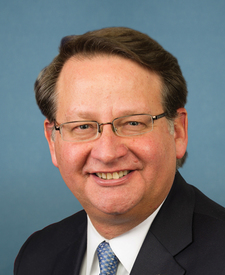
Sponsors


Legislative Progress
IntroducedMr. Peters (for himself, Mr. Lankford, and Ms. Ernst) introduced …
Stakeholder Effects
cui bono?How this legislation distributes effects. Mention counts reflect frequency, not effect magnitude.
Facility Security Committee officials at federal buildings
Federal agencies with building space under FPS protection
Bill Structure & Actor Mappings
Who is "The Secretary" in each section?
- "the_director"
- → Director of the Federal Protective Service
- "the_secretary"
- → Secretary of Homeland Security
Key Definitions
Terms defined in this bill
requiring a law enforcement response
We use a combination of our own taxonomy and classification in addition to large language models to assess meaning and potential beneficiaries. High confidence means strong textual evidence. Always verify with the original bill text.
Learn more about our methodology