To amend title XVIII of the Social Security Act to improve coverage of audiology services under the Medicare program, and for other purposes.
Analysis under review: This bill has generated analysis that may be too generic or incomplete. Clause-level evidence remains available below.
Summary
What This Bill Does
This bill expands Medicare coverage to include audiology services (hearing and balance assessments, diagnostics, and treatment) provided directly by qualified audiologists. Beginning January 1, 2025, Medicare beneficiaries can receive these services without needing a physician referral or having the audiologist work under physician supervision.
Who Benefits and How
Qualified audiologists benefit significantly as they gain the ability to bill Medicare directly for their services without physician oversight, expanding their business opportunities and professional autonomy. Medicare beneficiaries with hearing or balance issues benefit from easier access to audiology care without the extra step of getting a physician referral first.
Who Bears the Burden and How
Physicians (particularly ENT specialists and primary care doctors) may see reduced patient volume as audiologists can now provide services independently. Medicare (and ultimately taxpayers) will bear the cost of covering additional audiology services, though the bill does not expand the scope of services beyond what was payable as of December 31, 2024.
Key Provisions
- Adds audiology services as a covered Medicare Part B benefit effective January 1, 2025
- Allows audiologists to furnish services without physician referral or supervision requirements
- Sets payment at 80% of the lesser of actual charge or Medicare fee schedule amount
Evidence Chain:
This summary is generated from the full bill text using AI analysis. Expand "Detailed Analysis" below for identified beneficiaries/burden bearers with clause-level evidence links.
At a Glance
What This Bill Does
Expands Medicare Part B to cover audiology services provided directly by qualified audiologists without requiring physician referral or supervision
Key Policy Areas
Healthcare, Medicare
Primary Purpose
Expands Medicare Part B to cover audiology services provided directly by qualified audiologists without requiring physician referral or supervision
Policy Domains
Medicare Audiology Coverage Expansion
Identified Gains
- Qualified audiologists
- Medicare beneficiaries with hearing/balance issues
Identified Costs
- Physicians (ENT specialists, primary care)
- Medicare program
Sponsors




Legislative Progress
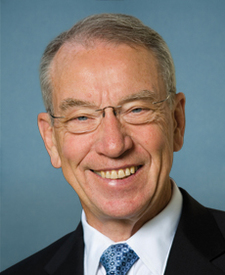
IntroducedMs. Warren (for herself, Mr. Paul, Mr. Grassley, Mrs. Shaheen, …
Stakeholder Effects
cui bono?How this legislation distributes effects. Mention counts reflect frequency, not effect magnitude.
Audiologists seeking practice autonomy, Qualified audiologists providing hearing and balance services
Physicians (ENT specialists and primary care) who refer/supervise audiology patients
Bill Structure & Actor Mappings
Who is "The Secretary" in each section?
Key Definitions
Terms defined in this bill
Hearing and balance assessment services (before Dec 31, 2024), and beginning January 1, 2025, diagnostic or treatment services furnished by a qualified audiologist which the qualified audiologist is legally authorized to perform under State law, as would otherwise be covered if furnished by a physician or as incident to a physicians service
We use a combination of our own taxonomy and classification in addition to large language models to assess meaning and potential beneficiaries. High confidence means strong textual evidence. Always verify with the original bill text.
Learn more about our methodology