To improve the effectiveness and performance of certain Federal financial assistance programs, and for other purposes.
Analysis under review: This bill has generated analysis that may be too generic or incomplete. Clause-level evidence remains available below.
Summary
What This Bill Does
The Streamlining Federal Grants Act of 2023 creates a coordinated federal system to simplify how grants and cooperative agreements are applied for, managed, and reported on. It establishes a Grants Council led by the Office of Management and Budget to standardize procedures across all federal agencies, with particular attention to making grants more accessible to organizations that have historically not received federal funding.
Who Benefits and How
Nonprofit organizations, state and local governments, Indian Tribes, and institutions of higher education benefit from simplified application processes and reduced paperwork burdens. Small, rural, and faith-based community organizations particularly benefit as the bill specifically targets improving access for entities that have historically struggled to obtain federal grants. Grant applicants also benefit from required plain-language notices of funding opportunities and training assistance.
Who Bears the Burden and How
Federal agencies must designate senior officials for grants management, develop grant improvement plans, and submit regular reports to Congress and OMB. Agencies face new coordination requirements through the Grants Council and must ensure compliance with standardized data requirements. The Office of Management and Budget takes on significant new responsibilities for oversight, guidance development, and maintaining public lists.
Key Provisions
- Establishes a Grants Council within OMB to coordinate federal grant policy and management across all agencies
- Requires each agency to designate a Senior Agency Official for Grants and develop grant improvement plans
- Mandates study and improvement of Grants.gov accessibility and user experience
- Requires GAO evaluation of implementation effectiveness after 5 years
Evidence Chain:
This summary is generated from the full bill text using AI analysis. Expand "Detailed Analysis" below for identified beneficiaries/burden bearers with clause-level evidence links.
At a Glance
What This Bill Does
Streamline and simplify federal grant and cooperative agreement programs by establishing a coordinated governance structure, standardizing application and reporting requirements, and improving accessibility for historically underserved communities.
Key Policy Areas
Government Operations, Federal Grants, Administrative Reform, Nonprofit Support
Primary Purpose
Streamline and simplify federal grant and cooperative agreement programs by establishing a coordinated governance structure, standardizing application and reporting requirements, and improving accessibility for historically underserved communities.
Policy Domains
Streamlining Federal Grants Act of 2023
Identified Gains
- Nonprofit organizations
- State governments
- Local governments
- Indian Tribes
- Institutions of higher education
- Faith-based organizations
- Rural communities
- Small communities
Identified Costs
- Federal agencies
- Office of Management and Budget
- General Services Administration
- Government Accountability Office
Sponsors


Legislative Progress
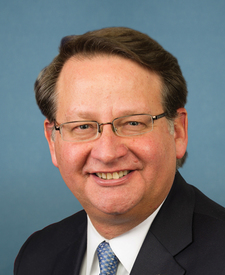
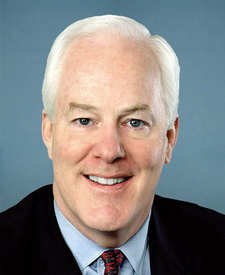
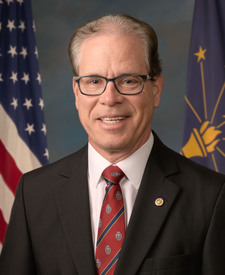
IntroducedMr. Peters (for himself, Mr. Cornyn, Mr. Lankford, Mr. Warnock, …
Mr. Peters (for himself and Mr. Cornyn) introduced the following …
Stakeholder Effects
cui bono?How this legislation distributes effects. Mention counts reflect frequency, not effect magnitude.
Department of Health and Human Services, Federal agencies subject to evaluation, Federal agencies that administer grants
Communities and organizations that historically have not received federal grants, Community-based organizations, Grant applicants
Positive-direction: Communities and organizations that historically have not received federal grants, Community-based organizations, Grant applicants, Grant applicants from nonprofit organizations, Grant applicants from underserved communities, Grant applicants using Grants.gov
Negative-direction: Grant recipients required to serve LEP individuals
Non-Federal entities responsible for delivering services, Rural communities seeking grants, Small communities seeking grants
Faith-based organizations, Faith-based organizations seeking grants
Bill Structure & Actor Mappings
Who is "The Secretary" in each section?
- "the_council"
- → Grants Council established under section 5(a)
- "the_director"
- → Director of the Office of Management and Budget
- "the_secretary"
- → Secretary of Health and Human Services (for Grants.gov provisions)
- "the_administrator"
- → Administrator of General Services
- "the_comptroller_general"
- → Comptroller General of the United States
Key Definitions
Terms defined in this bill
Has the meaning given the term in section 551 of title 5, United States Code
The agency designated by the Director or the Council under section 5(e)(1)
The Committee on Homeland Security and Governmental Affairs of the Senate and the Committee on Oversight and Accountability of the House of Representatives
Regular and ongoing engagement with recipients and potential recipients of grants or cooperative agreements
Has the meaning given the term in section 6302 of title 31, United States Code
The Grants Council established under section 5(a)
The Director of the Office of Management and Budget
Has the meaning given the term grant agreement in section 6302 of title 31, United States Code
A State, local government, Indian Tribe, institution of higher education, or nonprofit organization
Any corporation, trust, association, cooperative, or other organization operated primarily for scientific, educational, service, charitable, or similar purposes in the public interest
An agency official designated under section 4(a)
We use a combination of our own taxonomy and classification in addition to large language models to assess meaning and potential beneficiaries. High confidence means strong textual evidence. Always verify with the original bill text.
Learn more about our methodology