To provide for automatic renewal protections, and for other purposes.
Analysis under review: This bill has generated analysis that may be too generic or incomplete. Clause-level evidence remains available below.
Summary
What This Bill Does
The bill expands a appropriation, compliance mandate, procurement provision: 2, adds or tightens a compliance mandate, procurement, tariff provision: 3, and expands a procurement, definition change, delegation of rulemaking provision: 4. It relies on procurement rules, compliance mandates, appropriations, and tariffs. The main policy areas are Environment, Trade, and Transportation.
Who Benefits and How
The available clause analysis does not identify a specific beneficiary group.
Who Bears the Burden and How
No clear private burden is identified from the available clause analysis; implementing agencies may still take on administrative work.
Key Provisions
- Expands a appropriation, compliance mandate, procurement provision: 2.
- Adds or tightens a compliance mandate, procurement, tariff provision: 3.
- Expands a procurement, definition change, delegation of rulemaking provision: 4.
Evidence Chain:
This summary is generated from the full bill text using AI analysis. Expand "Detailed Analysis" below for primary purpose and policy domains.
At a Glance
What This Bill Does
The bill expands a appropriation, compliance mandate, procurement provision: 2, adds or tightens a compliance mandate, procurement, tariff provision: 3, and expands a procurement, definition change, delegation of rulemaking provision: 4.
Key Policy Areas
Environment, Trade, Transportation
Primary Purpose
The bill expands a appropriation, compliance mandate, procurement provision: 2, adds or tightens a compliance mandate, procurement, tariff provision: 3, and expands a procurement, definition change, delegation of rulemaking provision: 4.
Policy Domains
Sponsors
Legislative Progress
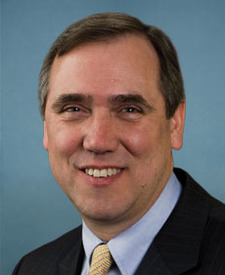
IntroducedMr. Van Hollen (for himself, Mr. Blumenthal, Mr. Wyden, Mr. …
Impact analysis is available but no clear stakeholder effects identified. View clause-level analysis →
Bill Structure & Actor Mappings
Who is "The Secretary" in each section?
- "the_commission"
- → Federal Trade Commission
Key Definitions
Terms defined in this bill
The Federal Trade Commission
Any person who seeks or acquires, by purchase or lease, any goods or services
A user interface that has the substantial effect of subverting or impairing user autonomy, decision making, or choice
Has the meaning given in section 310.2 of title 16, Code of Federal Regulations
Has the meaning given in section 310.2 of title 16, Code of Federal Regulations
A contract for repair, replacement, or maintenance of property or indemnification for same, including motor vehicle or residential property
The mechanism for cancellation is at least as easy to use as the mechanism the consumer used to consent to the contract
We use a combination of our own taxonomy and classification in addition to large language models to assess meaning and potential beneficiaries. High confidence means strong textual evidence. Always verify with the original bill text.
Learn more about our methodology