American Voices in Federal Lands Act
Summary
What This Bill Does
Changes public-land rulemaking participation language in FLPMA so the Interior Secretary's rulemaking authority refers to citizens of the United States rather than citizens generally.
Who Benefits and How
U.S. citizens benefit because the bill clarifies that Interior public-land rulemaking processes covered by the amended FLPMA language are directed to citizens of the United States. Public-land users who are U.S. citizens may receive a more explicit statutory role in comment and involvement processes. Interior rulemaking staff benefit from clearer statutory wording when deciding who is covered by the amended public-involvement language.
Who Bears the Burden and How
Noncitizen public-land users, foreign commenters, and organizations representing noncitizen interests may bear a participation burden if Interior interprets the amended wording to narrow who receives citizen-focused involvement rights. Interior rulemaking staff must update regulatory language, guidance, or procedures to reflect the revised phrase. Public-land advocacy groups may need to adjust comments and outreach around the narrowed statutory wording.
Key Provisions
- Amends FLPMA's public-involvement definition by replacing citizens with citizens of the United States.
- Applies the changed wording to Interior public-land rules and regulations.
- Leaves the Interior Secretary's general public-land rulemaking authority in place.
- Creates a narrower statutory phrase for citizen participation in covered public-land rulemaking.
- Does not directly dispose of land, authorize projects, or change a specific land-use plan.
Evidence Chain:
This summary is generated from the full bill text using AI analysis. Expand "Detailed Analysis" below for identified beneficiaries/burden bearers with clause-level evidence links.
At a Glance
What This Bill Does
Changes public-land rulemaking participation language in FLPMA so the Interior Secretary's rulemaking authority refers to citizens of the United States rather than citizens generally.
Key Policy Areas
Public Lands, Rulemaking, Interior
Primary Purpose
Changes public-land rulemaking participation language in FLPMA so the Interior Secretary's rulemaking authority refers to citizens of the United States rather than citizens generally.
Policy Domains
House resolution provisions
Identified Gains
- U.S. citizens
- U.S. public-land users
- Interior rulemaking staff
Identified Costs
- Noncitizen public-land users
- Foreign commenters
- Interior rulemaking staff
- Public-land advocacy groups
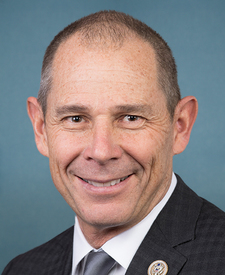
Sponsors
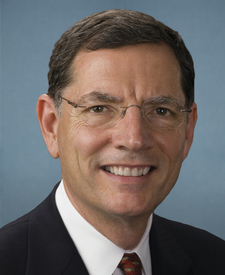
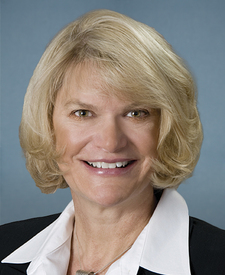
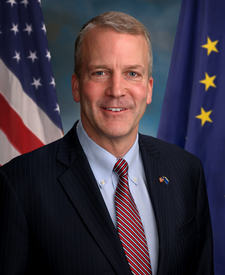
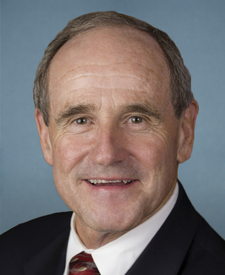
Legislative Progress
ReportedCommittee on Energy and Natural Resources. Ordered to be reported …
Committee on Energy and Natural Resources Subcommittee on Public Lands, …
Mr. Barrasso (for himself, Ms. Lummis, Mr. Crapo, Mr. Risch, …
Read twice and referred to the Committee on Energy and …
Introduced in Senate
Stakeholder Effects
cui bono?How this legislation distributes effects. Mention counts reflect frequency, not effect magnitude.
Interior rulemaking staff, Noncitizen public-land users, U.S. citizens
Positive-direction: U.S. citizens
Negative-direction: Interior rulemaking staff, Noncitizen public-land users
Bill Structure & Actor Mappings
Who is "The Secretary" in each section?
- "secretary"
- → Secretary of the Interior
We use a combination of our own taxonomy and classification in addition to large language models to assess meaning and potential beneficiaries. High confidence means strong textual evidence. Always verify with the original bill text.
Learn more about our methodology