Agriculture, Rural Development, Food and Drug Administration, and Related Agencies Appropriations Act, 2026
Summary
What This Bill Does
Provides fiscal year 2026 Agriculture, Rural Development, FDA, and related-agency appropriations and a long set of policy riders controlling USDA transfers, National Finance Center operations, nonprofit indirect costs, rural loans, SNAP retailer standards, food and drug rules, rural water Buy America requirements, persistent-poverty allocations, housing preservation grants, child nutrition procurement, conservation technical services, fish advice, bison marketing grants, pet shelter grants, tobacco enforcement, hemp definitions, rural energy circuit riders, rescissions, and office-closure restrictions.
Who Benefits and How
USDA agencies benefit from continued appropriations and targeted flexibilities for loan programs, working capital services, rural development, conservation technical services, National Finance Center shared services, and emergency operations. Rural communities benefit from persistent-poverty set-asides, rural housing preservation technical assistance, rural water and wastewater program funding, Energy Circuit Riders, community facilities, broadband, telemedicine, and rural business programs. SNAP retailers benefit because USDA cannot enforce the 2016 variety requirements until the variety definition is broadened. Meat, poultry, and egg establishments benefit from continued FSIS holiday or overtime inspection availability, though they pay the inspection costs. Domestic iron and steel producers benefit from a Buy America requirement in rural water and wastewater projects. School meal programs benefit from a bar on PRC poultry and seafood procurement and a temporary rule on paid-lunch pricing. Bison producers, Tribal bison organizations, pet shelter grantees, and affordable housing nonprofits benefit from specific $2 million or $3 million grant provisions. FDA tobacco enforcement benefits from at least $200 million in tobacco user fees for ENDS enforcement and a multi-agency task force.
Who Bears the Burden and How
USDA, FDA, Farm Credit Administration, Rural Development, NRCS, NIFA, FSIS, APHIS, and FDA tobacco staff must comply with dozens of spending restrictions, notifications, reports, waivers, and program rules. Federal taxpayers bear the cost of the appropriations while prior-year balances are rescinded from NRCS conservation operations, NIFA research and education, Food for Peace Title II grants, broadband pilot balances, and the Working Capital Fund. Nonprofit institutions working under USDA cooperative agreements face a 10 percent indirect-cost cap. FDA is barred from moving to electronic prescribing information without new federal law, from enforcing specified produce-safety rules against certain entities, and from issuing new sodium or ultra-processed food guidance. Hemp-derived cannabinoid product makers face a narrowed hemp definition that excludes synthetic or intoxicating cannabinoid products from hemp. USDA office and lab reorganization plans face restrictions, and grant terminations require advance written notice to appropriations committees.
Key Provisions
- Authorizes USDA Working Capital Fund transfers while requiring agency-administrator approval and appropriations-committee notice for National Finance Center changes.
- Limits USDA nonprofit cooperative-agreement indirect costs to 10 percent of total direct costs.
- Bars FDA electronic prescribing-information rules unless Congress enacts authorizing law.
- Blocks enforcement of SNAP retailer variety requirements until USDA broadens acceptable variety definitions.
- Authorizes FSIS to charge meat, poultry, and egg establishments for overtime and holiday inspections.
- Requires U.S.-produced iron and steel for rural water and wastewater projects, with public-interest, availability, quality, and cost waivers.
- Requires at least 10 percent of specified rural loans and grants to assist persistent poverty counties.
- Appropriates $2 million for rural multifamily housing preservation technical assistance, $2 million for bison production and marketing, $3 million for pet shelter grants, and $4 million for Energy Circuit Riders.
- Bars school meal procurement of PRC poultry and seafood and directs FDA fish-consumption advice by September 30, 2026.
- Rescinds unobligated balances including $30 million from NRCS conservation operations, $22 million from NIFA research and education, $200 million from Food for Peace Title II grants, and $78 million from the Working Capital Fund.
- Requires at least $200 million in FDA tobacco user fees for e-cigarette and vape enforcement and narrows the hemp definition to exclude certain hemp-derived cannabinoid products.
Evidence Chain:
This summary is generated from the full bill text using AI analysis. Expand "Detailed Analysis" below for identified beneficiaries/burden bearers with clause-level evidence links.
At a Glance
What This Bill Does
Provides fiscal year 2026 Agriculture, Rural Development, FDA, and related-agency appropriations and a long set of policy riders controlling USDA transfers, National Finance Center operations, nonprofit indirect costs, rural loans, SNAP retailer standards, food and drug rules, rural water Buy America requirements, persistent-poverty allocations, housing preservation grants, child nutrition procurement, conservation technical services, fish advice, bison marketing grants, pet shelter grants, tobacco enforcement, hemp definitions, rural energy circuit riders, rescissions, and office-closure restrictions.
Key Policy Areas
Appropriations, Agriculture, Rural Development, Food and Drug Administration, Nutrition, Conservation
Primary Purpose
Provides fiscal year 2026 Agriculture, Rural Development, FDA, and related-agency appropriations and a long set of policy riders controlling USDA transfers, National Finance Center operations, nonprofit indirect costs, rural loans, SNAP retailer standards, food and drug rules, rural water Buy America requirements, persistent-poverty allocations, housing preservation grants, child nutrition procurement, conservation technical services, fish advice, bison marketing grants, pet shelter grants, tobacco enforcement, hemp definitions, rural energy circuit riders, rescissions, and office-closure restrictions.
Policy Domains
House resolution provisions
Identified Gains
- USDA agencies
- Rural communities
- SNAP retailers
- FSIS inspected establishments
- Domestic iron manufacturers
- Persistent poverty counties
- Bison producers
- Tribal bison organizations
- Pet shelter grantees
- FDA tobacco enforcement staff
- Industrial hemp growers
Identified Costs
- USDA
- FDA
- Farm Credit Administration
- Rural Development
- NRCS
- NIFA
- Nonprofit institutions
- Federal taxpayers
- Food for Peace recipients
- Hemp-derived cannabinoid manufacturers
- FDA food-policy staff
Sponsors
Legislative Progress
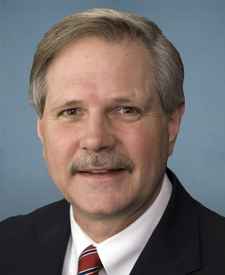
ReportedMr. Hoeven, from the Committee on Appropriations, reported the following …
Placed on Senate Legislative Calendar under General Orders. Calendar No. …
Committee on Appropriations. Original measure reported to Senate by Senator …
Introduced in Senate
Subcommittee on Agriculture, Rural Development, Food and Drug Administration, and …
Subcommittee on Agriculture, Rural Development, Food and Drug Administration, and …
Stakeholder Effects
cui bono?How this legislation distributes effects. Mention counts reflect frequency, not effect magnitude.
Agency employees, Congressional appropriations committees, Grant administrators
Congressional appropriations committees, Taxpayers, USDA Working Capital Fund face effects in multiple directions
Positive-direction: USDA National Finance Center
Negative-direction: Agency employees, Grant administrators, USDA Chief Financial Officer
Agricultural Marketing Service, Bison producers, Domestic poultry producers
Agricultural Marketing Service, USDA program offices face effects in multiple directions
Positive-direction: Bison producers, Domestic poultry producers, Farmers, Industrial hemp growers, Livestock market participants, U.S. livestock producers, USDA agencies
Negative-direction: Farm Credit Administration, USDA administrative offices, USDA agreement officers, USDA grant staff, USDA hemp program staff, USDA marketing staff
FDA, FDA administrative offices, FDA drug labeling staff
FSIS inspection program faces effects in multiple directions
Positive-direction: FDA, FDA drug regulators, FDA tobacco enforcement staff, Food safety regulators, Meat processors, Regulated food manufacturers, Seafood consumers
Negative-direction: FDA administrative offices, FDA drug labeling staff, FDA drug-review staff, FDA food-policy staff, FSIS inspected establishments, FSIS inspectors, Food for Peace recipients, Foreign meat exporters, Horse meat processors
Persistent poverty counties, Rural Development staff, Rural Utilities Service
Positive-direction: Persistent poverty counties, Rural communities, Rural loan borrowers, Rural partnership grantees
Negative-direction: Rural Development staff, Rural Utilities Service
Domestic violence survivors, RHS multifamily housing borrowers, Rural Housing Service staff
Positive-direction: Domestic violence survivors, RHS multifamily housing borrowers, Rural housing applicants
Negative-direction: Rural Housing Service staff
Conservation program applicants, NRCS conservation programs, NRCS conservation staff
Positive-direction: NRCS conservation programs
Negative-direction: Conservation program applicants, NRCS conservation staff
Tribal bison organizations, Tribal food programs
Nutrition access advocates, USDA Food and Nutrition Service, USDA child nutrition staff
Bill Structure & Actor Mappings
Who is "The Secretary" in each section?
- "commissioner"
- → Commissioner of Food and Drugs
- "secretary_agriculture"
- → Secretary of Agriculture
We use a combination of our own taxonomy and classification in addition to large language models to assess meaning and potential beneficiaries. High confidence means strong textual evidence. Always verify with the original bill text.
Learn more about our methodology