To direct the Assistant Secretary of Commerce for Communications and Information to develop a National Strategy to Close the Digital Divide, and for other purposes.
Analysis under review: This bill has generated analysis that may be too generic or incomplete. Clause-level evidence remains available below.
Summary
What This Bill Does
Directs the Assistant Secretary of Commerce for Communications and Information to develop a National Strategy to Close the Digital Divide within one year, coordinating all federal broadband programs across 14 covered agencies.
Who Benefits and How
Underserved communities gain coordinated federal approach to broadband access. Rural and low-income areas benefit from streamlined program delivery. States receive clearer guidance on federal broadband resources.
Who Bears the Burden and How
NTIA leads strategy development and implementation planning. Fourteen covered agencies must coordinate broadband programs. FCC, USDA, HHS, and other agencies must align activities with national strategy.
Key Provisions
- One-year deadline for national strategy
- Covers deployment, access, affordability, and adoption
- Coordinates FCC, USDA, NTIA, HHS, ARC, Treasury, DOT, HUD, and Interior
- Implementation plan follows the strategy
Evidence Chain:
This summary is generated from the full bill text using AI analysis. Expand "Detailed Analysis" below for identified beneficiaries/burden bearers.
At a Glance
What This Bill Does
Requires NTIA to develop a National Strategy to Close the Digital Divide coordinating federal broadband programs
Who Benefits
- Underserved communities
- Rural areas
- States
Who Bears Costs
- NTIA
- Covered federal agencies
Key Policy Areas
Telecommunications, Broadband, Digital Divide, Rural Development
Primary Purpose
Requires NTIA to develop a National Strategy to Close the Digital Divide coordinating federal broadband programs
Policy Domains
Legislative Strategy
"Unify fragmented federal broadband efforts through national coordination"
Sponsors
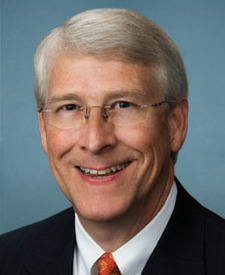
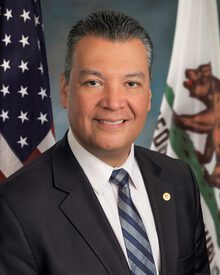
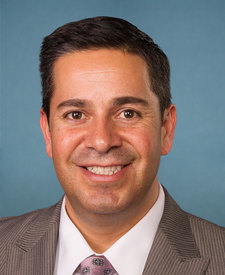

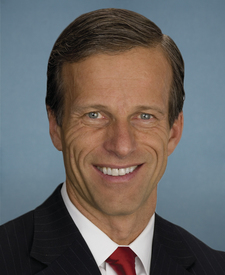
Legislative Progress
ReportedReported by Ms. Cantwell, with an amendment
Mr. Wicker (for himself, Mr. Luján, Mr. Thune, and Mr. …
Mr. Wicker (for himself, Mr. Luján, Mr. Thune, Mr. Welch, …
Stakeholder Effects
cui bono?How this legislation distributes effects. Mention counts reflect frequency, not effect magnitude.
Covered federal agencies, FCC, Federal agencies with broadband programs
Broadband grant recipients, Internet service providers participating in ACP, Large broadband infrastructure developers
Positive-direction: Broadband grant recipients, Internet service providers participating in ACP, Rural broadband providers, Small/rural telecom carriers with Chinese equipment, Telecommunications infrastructure developers
Negative-direction: Large broadband infrastructure developers
Huawei and ZTE, Network equipment manufacturers (non-Chinese)
Positive-direction: Network equipment manufacturers (non-Chinese)
Negative-direction: Huawei and ZTE
Bill Structure & Actor Mappings
Who is "The Secretary" in each section?
- "assistant_secretary"
- → Assistant Secretary of Commerce for Communications and Information
Key Definitions
Terms defined in this bill
Any program administered by a covered agency that is directly or indirectly intended to increase deployment, access, affordability, or adoption of broadband
FCC, USDA, NTIA, HHS, ARC, Delta Regional Authority, EDA, Education, Treasury, DOT, IMLS, NBRC, HUD, Interior
We use a combination of our own taxonomy and classification in addition to large language models to assess meaning and potential beneficiaries. High confidence means strong textual evidence. Always verify with the original bill text.
Learn more about our methodology