To direct the Attorney General to include a data field in the National Missing and Unidentified Persons System to indicate whether the last known location of a missing person was confirmed or was suspected to have been on Federal land, and for other purposes.
Analysis under review: This bill has generated analysis that may be too generic or incomplete. Clause-level evidence remains available below.
Summary
What This Bill Does
This bill, To direct the Attorney General to include a data field in the National Missing and Unidentified Persons System to indicate whether the last known location of a missing person was confirmed or was suspected to have been on Federal land, and for other purposes., changes federal law or congressional policy affecting federal agencies and legislative administrators. The main policy domain is Government Operations, Defense, Agriculture.
Who Benefits and How
federal agencies and legislative administrators may benefit from new authority, funding, eligibility, regulatory clarity, or reduced risk created by the bill.
Who Bears the Burden and How
federal implementing agencies may take on implementation duties, reporting obligations, compliance costs, or oversight responsibilities.
Key Provisions
- Section H6E924F1162B848069CBF25A6C4119144: 1. Short title This Act may be cited as the Tracking and Reporting Absent Community-Members Everywhere Act or the TRACE Act.
- Section H1268FD7960134B99B6A7B3D235681A85: 2. Definitions In this Act: The term Attorney General means the Attorney General, acting through the Director of the National Institute of Justice. The term...
- Section H90399AC41C7248F1B30EC8954AB15F5B: 3. Data field in the National Missing and Unidentified Persons System related to Federal land The Attorney General shall include in the National Missing and...
- Section HB46AD6AFD3D44D929354495A6A910D43: 4. Report Not later than January 15 of the second calendar year that begins after the date of enactment of this Act, and annually thereafter, the Attorney...
Evidence Chain:
This summary is generated from the full bill text using AI analysis. Expand "Detailed Analysis" below for identified beneficiaries/burden bearers.
At a Glance
What This Bill Does
This bill, To direct the Attorney General to include a data field in the National Missing and Unidentified Persons System to indicate whether the last known location of a missing person was confirmed or was suspected to have been on Federal land, and for other purposes., changes federal law or congressional policy affecting federal agencies and legislative administrators.
Key Policy Areas
Government Operations, Defense, Agriculture
Primary Purpose
This bill, To direct the Attorney General to include a data field in the National Missing and Unidentified Persons System to indicate whether the last known location of a missing person was confirmed or was suspected to have been on Federal land, and for other purposes., changes federal law or congressional policy affecting federal agencies and legislative administrators.
Policy Domains
Whole bill
Identified Gains
Contextual inference, no direct clause citation- federal agencies and legislative administrators
Contextual inference, no direct clause citation
Identified Costs
Contextual inference, no direct clause citation- federal implementing agencies
Contextual inference, no direct clause citation
Sponsors

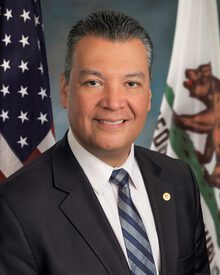

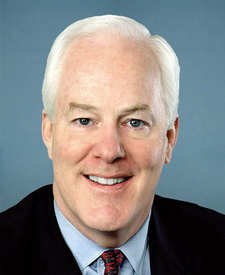
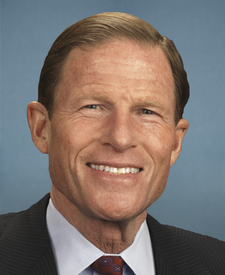
Legislative Progress
IntroducedMr. Tillis (for himself, Mr. Padilla, Mr. Cornyn, Mr. Blumenthal, …
Impact analysis is available but no clear stakeholder effects identified. View clause-level analysis →
Bill Structure & Actor Mappings
Who is "The Secretary" in each section?
- "secretary_of_defense"
- → Secretary of Defense
- "secretary_of_agriculture"
- → Secretary of Agriculture
Key Definitions
Terms defined in this bill
the Attorney General, acting through the Director of the National Institute of Justice. The term Federal land means land owned by the United States that is under the administrative jurisdiction of— the Secretary of Agriculture
We use a combination of our own taxonomy and classification in addition to large language models to assess meaning and potential beneficiaries. High confidence means strong textual evidence. Always verify with the original bill text.
Learn more about our methodology