To promote affordable access to evidence-based opioid treatments under the Medicare program and require coverage of medication assisted treatment for opioid use disorders, opioid overdose reversal medications, and recovery support services by health plans without cost-sharing requirements.
Analysis under review: This bill has generated analysis that may be too generic or incomplete. Clause-level evidence remains available below.
Summary
The Maximizing Opioid Recovery Emergency Savings Act (MORE Savings Act) takes a multi-pronged approach to removing financial barriers to opioid treatment. First, it directs the Center for Medicare and Medicaid Innovation to test a model in 15 states eliminating copayments, coinsurance, and deductibles for opioid treatment under Medicare Parts B, C, and D, covering drugs, behavioral health services, residential treatment, recovery support, peer counseling, and transportation (with budget neutrality testing waived for 5 years). Second, it requires all group and individual health plans (under PHSA, ERISA, and IRS Code) to cover opioid treatment drugs, behavioral health services, residential treatment, and recovery support services without any cost-sharing. Third, it increases the federal Medicaid matching rate to 90% for medication-assisted treatment and optionally includes recovery support services in the Medicaid MAT definition.
Evidence Chain:
This summary is generated from the full bill text using AI analysis. Expand "Detailed Analysis" below for identified beneficiaries/burden bearers.
At a Glance
What This Bill Does
Promote affordable access to opioid treatments by eliminating cost-sharing under Medicare, requiring coverage of medication-assisted treatment across all health plans, and enhancing Medicaid federal matching for opioid treatment services.
Who Benefits
- Individuals with opioid use disorders
- Substance abuse treatment providers
- Non-hospital residential treatment facilities
Who Bears Costs
- Health insurers (coverage mandates without cost-sharing)
- Federal budget (enhanced Medicaid match and Medicare model)
- Employers sponsoring group health plans
Key Policy Areas
{'domain': 'Healthcare', 'evidence': ['2', '3', '4']}, {'domain': 'Substance Abuse', 'evidence': ['2', '3', '4']}
Primary Purpose
Promote affordable access to opioid treatments by eliminating cost-sharing under Medicare, requiring coverage of medication-assisted treatment across all health plans, and enhancing Medicaid federal matching for opioid treatment services.
Policy Domains
Legislative Strategy
"Eliminate cost barriers to opioid treatment across all major insurance systems (Medicare, private, Medicaid) simultaneously to maximize treatment uptake and reduce overdose deaths."
Sponsors
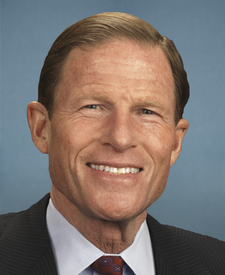
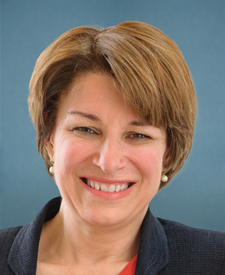
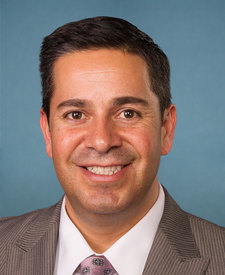
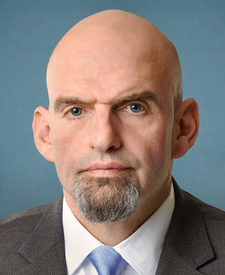

Legislative Progress
IntroducedMr. Blumenthal (for himself, Mr. Fetterman, Mr. Heinrich, Mr. Luján, …
Stakeholder Effects
cui bono?How this legislation distributes effects. Mention counts reflect frequency, not effect magnitude.
Employees with opioid use disorders, Group and individual health plan enrollees, Individuals with opioid use disorders in private plans
Medication-assisted treatment providers, Non-hospital residential treatment facilities, Opioid treatment providers
Federal budget, Medicare program (cost impact), State Medicaid programs
Positive-direction: State Medicaid programs
Negative-direction: Federal budget, Medicare program (cost impact)
Employers sponsoring group health plans, Group health plan sponsors
Bill Structure & Actor Mappings
Who is "The Secretary" in each section?
- "cmi"
- → Center for Medicare and Medicaid Innovation
We use a combination of our own taxonomy and classification in addition to large language models to assess meaning and potential beneficiaries. High confidence means strong textual evidence. Always verify with the original bill text.
Learn more about our methodology