To require the Commissioner of U.S. Customs and Border Protection to regularly review and update policies and manuals related to inspections at ports of entry.
Analysis under review: This bill has generated analysis that may be too generic or incomplete. Clause-level evidence remains available below.
Summary
What This Bill Does
This bill requires the Commissioner of U.S. Customs and Border Protection (CBP) to review and update its Office of Field Operations inspection policies and manuals at least every three years. The updates must ensure uniform implementation of inspection practices that effectively respond to technological and methodological changes designed to disguise illegal activity, such as drug smuggling and human trafficking, at ports of entry. After each update, the Commissioner must report to relevant congressional committees summarizing the changes made.
Who Benefits and How
The general public benefits from more effective border inspection practices that adapt to evolving smuggling techniques, potentially reducing the flow of fentanyl and other illegal drugs into the country. CBP field officers benefit from regularly updated manuals and policies that reflect current smuggling methods and technologies. Congressional oversight committees benefit from mandatory reporting that provides visibility into CBP inspection policy updates.
Who Bears the Burden and How
The Commissioner of U.S. Customs and Border Protection bears the primary burden of conducting triennial reviews and updates of inspection policies and manuals, and preparing reports to Congress. CBP's Office of Field Operations bears the operational burden of implementing updated inspection procedures and training personnel on changes. These are administrative and operational requirements with no new funding authorization.
Key Provisions
- Requires CBP to review and update Office of Field Operations inspection policies and manuals at least every three years (Section 2(a))
- Updates must ensure uniform implementation of inspection practices that respond to new methods of disguising illegal activity including drug and human smuggling (Section 2(a))
- Requires congressional reporting after each update summarizing the policy and manual changes (Section 2(b))
Evidence Chain:
This summary is generated from the full bill text using AI analysis. Expand "Detailed Analysis" below for identified beneficiaries/burden bearers.
At a Glance
What This Bill Does
Requires U.S. Customs and Border Protection to review and update its port-of-entry inspection policies and manuals at least every three years to keep pace with evolving smuggling techniques, with mandatory congressional reporting on changes.
Key Policy Areas
Homeland Security, Immigration and Border Security, Government Operations
Primary Purpose
Requires U.S. Customs and Border Protection to review and update its port-of-entry inspection policies and manuals at least every three years to keep pace with evolving smuggling techniques, with mandatory congressional reporting on changes.
Policy Domains
END FENTANYL Act - CBP Inspection Policy Updates
Identified Gains
Contextual inference, no direct clause citation- General public (reduced drug smuggling)
- CBP field officers (updated guidance)
- Congressional oversight committees (transparency)
Contextual inference, no direct clause citation
Identified Costs
Contextual inference, no direct clause citation- Commissioner of U.S. Customs and Border Protection
- CBP Office of Field Operations
Contextual inference, no direct clause citation
Sponsors
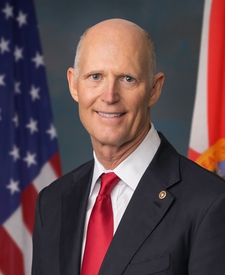


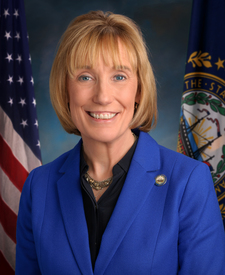

Legislative Progress
Enrolled (Passed Congress)Mr. Scott of Florida (for himself, Mr. Braun, Ms. Hassan, …
Mr. Scott of Florida (for himself, Mr. Braun, Ms. Hassan, …
Passed House (inferred from enr version)
Passed Senate (inferred from enr version)
Enrolled Bill (inferred from enr version)
Stakeholder Effects
cui bono?How this legislation distributes effects. Mention counts reflect frequency, not effect magnitude.
Bill Structure & Actor Mappings
Who is "The Secretary" in each section?
- "the_commissioner"
- → Commissioner of U.S. Customs and Border Protection
We use a combination of our own taxonomy and classification in addition to large language models to assess meaning and potential beneficiaries. High confidence means strong textual evidence. Always verify with the original bill text.
Learn more about our methodology