To provide for the establishment of Medicare part E public health plans, and for other purposes.
Analysis under review: This bill has generated analysis that may be too generic or incomplete. Clause-level evidence remains available below.
Summary
What This Bill Does
The Choose Medicare Act creates a new public health insurance option called Medicare Part E, available to U.S. residents in the individual, small group, and large group markets through ACA Exchanges. Medicare Part E plans must provide gold-level coverage including essential health benefits, all Medicare-covered items and services, and reproductive health services (including abortion, preempting any state restrictions). The bill establishes a framework for provider reimbursement rates negotiated between Medicare rates and average Exchange rates, applies Medicare drug price negotiation rules to Part E, and appropriates $2 billion in FY2026 startup funding plus additional reserves. Beyond the public option, the bill enhances ACA subsidies by pegging premium tax credits to gold-level (rather than silver-level) plans, permanently removes the 400% FPL income cap on premium assistance eligibility, expands cost-sharing reductions with a five-tier structure up to 400% FPL, creates a $30 billion reinsurance and affordability fund for FY2026-2028, caps Medicare fee-for-service out-of-pocket costs at $6,700 starting in 2027, requires employers without adequate insurance to refer employees to Exchange navigators, extends ACA rating rules to the large group market, and strengthens federal/state authority to deny or modify excessive, unjustified, or discriminatory insurance rates.
Who Benefits and How
Uninsured and underinsured individuals benefit from a new government-run insurance option with negotiated rates and comprehensive coverage including reproductive services. Low- and moderate-income households benefit from enhanced premium subsidies pegged to gold-level plans, expanded cost-sharing reductions, and removal of the 400% FPL eligibility cap. Medicare beneficiaries (fee-for-service) benefit from a new $6,700 annual out-of-pocket cap. Individual market enrollees benefit from $30 billion in reinsurance/affordability funding that should lower premiums and out-of-pocket costs. Employees at firms without adequate coverage benefit from navigator referrals to Exchange options. Small businesses and large employers gain access to a government-administered plan option. Healthcare providers participating in Medicare are automatically enrolled in Part E networks.
Who Bears the Burden and How
Private health insurers face a major new government competitor (Medicare Part E) that could attract enrollees away from commercial plans, especially given negotiated rates and comprehensive benefits. They also face expanded rate review authority that can deny or modify rates, and new reinsurance dynamics that may alter market competition. Pharmaceutical companies face drug price negotiation rules applied to Medicare Part E. Federal taxpayers bear costs of $2 billion in startup funding, open-ended reserves, $30 billion for reinsurance, and ongoing enhanced subsidies. Employers who do not offer affordable coverage face a new compliance mandate to refer employees to navigators. Medigap (Medicare supplemental) insurers may lose customers as the $6,700 out-of-pocket cap reduces demand for supplemental coverage. State insurance regulators face potential federal preemption of their authority over rate review if found inadequate.
Key Provisions
- Creates Medicare Part E public health plans available through ACA Exchanges in all markets
- Requires gold-level coverage including essential health benefits, Medicare services, and reproductive services (preempting state restrictions)
- Provider rates negotiated between Medicare rates (floor) and average Exchange rates (ceiling)
- $2 billion FY2026 startup appropriation plus open-ended initial reserves
- Applies Medicare drug price negotiation (Part E of Title XI) to Part E plans
- Pegs premium tax credits to gold-level (not silver-level) benchmark plans
- Permanently removes 400% FPL income cap on premium assistance
- Creates five-tier enhanced cost-sharing reductions (94%/92%/90%/85%/80% actuarial value by income)
- $30 billion reinsurance and affordability fund for FY2026-2028
- Caps Medicare FFS out-of-pocket costs at $6,700 starting 2027, indexed to medical CPI
- Requires employers without adequate coverage to refer employees to Exchange navigators
- Extends ACA rating rules (age, tobacco, geography, family size only) to large group market
- Grants federal/state authority to deny, modify, or require rebates for excessive or discriminatory insurance rates
Evidence Chain:
This summary is generated from the full bill text using AI analysis. Expand "Detailed Analysis" below for identified beneficiaries/burden bearers.
At a Glance
What This Bill Does
Creates Medicare Part E, a government-run public health insurance option available through ACA Exchanges in the individual, small group, and large group markets, while simultaneously enhancing ACA premium subsidies, expanding cost-sharing reductions, capping Medicare out-of-pocket costs, establishing a $30 billion reinsurance fund, and strengthening insurance rate regulation.
Key Policy Areas
Healthcare, Insurance, Taxation, Consumer Protection
Primary Purpose
Creates Medicare Part E, a government-run public health insurance option available through ACA Exchanges in the individual, small group, and large group markets, while simultaneously enhancing ACA premium subsidies, expanding cost-sharing reductions, capping Medicare out-of-pocket costs, establishing a $30 billion reinsurance fund, and strengthening insurance rate regulation.
Policy Domains
Medicare FFS Out-of-Pocket Cap (Sec. 4)
Identified Gains
Contextual inference, no direct clause citation- Medicare fee-for-service beneficiaries (out-of-pocket protection)
- Chronically ill and high-cost Medicare patients
Contextual inference, no direct clause citation
Identified Costs
Contextual inference, no direct clause citation- Federal government / Medicare trust funds (absorbing costs above cap)
- Medigap insurers (reduced demand for supplemental coverage)
Contextual inference, no direct clause citation
Reinsurance and Affordability Fund (Sec. 7)
Identified Gains
Contextual inference, no direct clause citation- Individual market enrollees (lower premiums and OOP costs)
- Health insurance issuers (reinsurance reduces high-cost claim risk)
- States (federal funding for market stabilization)
Contextual inference, no direct clause citation
Identified Costs
Contextual inference, no direct clause citation- Federal taxpayers ($30 billion appropriation)
Contextual inference, no direct clause citation
Enhanced Cost-Sharing Reductions (Sec. 6)
Identified Gains
Contextual inference, no direct clause citation- Low-income enrollees (100-200% FPL, 90-94% actuarial value)
- Moderate-income enrollees (200-400% FPL, 80-85% actuarial value)
Contextual inference, no direct clause citation
Identified Costs
Contextual inference, no direct clause citation- Federal taxpayers (higher cost-sharing reduction payments)
- Health plan issuers (administrative changes to implement new tiers)
Contextual inference, no direct clause citation
Medicare Part E Public Health Plans (Sec. 2)
Identified Gains
Contextual inference, no direct clause citation- Uninsured and underinsured individuals
- Small and large employers seeking government-administered plan options
- Healthcare providers (automatic Part E network participation)
- Individuals losing employer coverage (portability provision)
Contextual inference, no direct clause citation
Identified Costs
Contextual inference, no direct clause citation- Private health insurers (new government competitor)
- Pharmaceutical companies (drug price negotiation applies)
- Federal taxpayers ($2B startup + open-ended reserves)
- States (preempted on reproductive services restrictions)
Contextual inference, no direct clause citation
Enhanced Premium Assistance Credits (Sec. 5)
Identified Gains
Contextual inference, no direct clause citation- Middle-income households above 400% FPL (newly eligible for subsidies)
- All ACA marketplace enrollees (more generous benchmark)
Contextual inference, no direct clause citation
Identified Costs
Contextual inference, no direct clause citation- Federal taxpayers (higher subsidy costs)
- Private insurers (competitive pressure from subsidized gold plans)
Contextual inference, no direct clause citation
Consumer Rate Protection (Sec. 9)
Identified Gains
Contextual inference, no direct clause citation- Health insurance consumers (protection from excessive rates)
- State regulators with strong rate review (authority preserved)
Contextual inference, no direct clause citation
Identified Costs
Contextual inference, no direct clause citation- Health insurance issuers (rate review, potential denials, civil penalties)
- State regulators found inadequate (federal preemption of rate review)
- Grandfathered health plan sponsors (newly subject to rate review)
Contextual inference, no direct clause citation
Navigator Referral for Employees (Sec. 3)
Identified Gains
Contextual inference, no direct clause citation- Employees at firms without affordable coverage
- Exchange navigator organizations (increased funding and referrals)
Contextual inference, no direct clause citation
Identified Costs
Contextual inference, no direct clause citation- Employers without adequate coverage (compliance mandate)
- Federal taxpayers (navigator funding)
Contextual inference, no direct clause citation
Sponsors

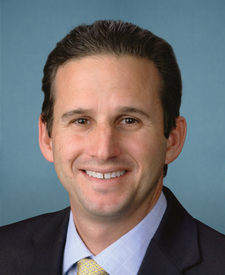

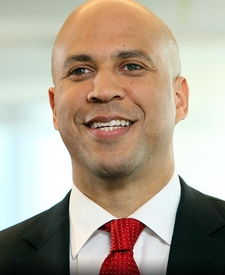

Legislative Progress
IntroducedMr. Merkley (for himself, Mr. Murphy, Ms. Baldwin, Mr. Blumenthal, …
Stakeholder Effects
cui bono?How this legislation distributes effects. Mention counts reflect frequency, not effect magnitude.
ACA marketplace enrollees, Employees without adequate employer coverage, Health insurance consumers
Positive-direction: ACA marketplace enrollees, Employees without adequate employer coverage, Health insurance consumers, Individual market enrollees, Low-income enrollees (100-200% FPL), Medicare fee-for-service beneficiaries, Middle- and upper-income households above 400% FPL, Moderate-income enrollees (200-400% FPL), Uninsured and underinsured individuals
Negative-direction: Taxpayers
Grandfathered health plan sponsors, Health insurance issuers, Health insurance issuers in individual market
Health insurance issuers faces effects in multiple directions
Positive-direction: Health insurance issuers in individual market
Negative-direction: Grandfathered health plan sponsors, Medigap insurers, Private health insurers
Centers for Medicare & Medicaid Services, Medicare trust funds / federal government, State governments
Positive-direction: State governments, States
Negative-direction: Centers for Medicare & Medicaid Services, Medicare trust funds / federal government
Bill Structure & Actor Mappings
Who is "The Secretary" in each section?
- "the_secretary"
- → Secretary of Health and Human Services
- "the_administrator"
- → Administrator for the Centers for Medicare & Medicaid Services
- "the_comptroller_general"
- → Comptroller General of the United States
- "the_secretary"
- → Secretary of Health and Human Services
- "the_secretary"
- → Secretary of Health and Human Services
- "the_secretary"
- → Secretary of Health and Human Services
- "the_secretary"
- → Secretary of Health and Human Services
Note: {'term': 'The Secretary', 'resolution': 'Refers to the Secretary of Health and Human Services throughout the bill.'}
Key Definitions
Terms defined in this bill
Public health plans established by the Secretary, available in the individual, small group, and large group markets, providing gold-level coverage of essential health benefits plus all Medicare-covered services and reproductive services.
Expenses incurred by an individual attributable to deductibles, coinsurance, and copayments under Medicare Part A or B, or for services that would have been covered but for benefit exhaustion. Excludes non-covered items and amounts above assignment-related rates.
We use a combination of our own taxonomy and classification in addition to large language models to assess meaning and potential beneficiaries. High confidence means strong textual evidence. Always verify with the original bill text.
Learn more about our methodology