To provide for digital communication of prescribing information for drugs (including biological products), and for other purposes.
Analysis under review: This bill has generated analysis that may be too generic or incomplete. Clause-level evidence remains available below.
Summary
What This Bill Does
The Prescription Information Modernization Act of 2025 allows drug manufacturers to distribute prescribing information (the detailed instructions and warnings that come with medications) electronically instead of printing paper copies. Healthcare professionals can still request paper copies at no extra charge if they prefer.
Who Benefits and How
Pharmaceutical and biologics manufacturers benefit substantially through reduced printing, shipping, and distribution costs. By eliminating the requirement to automatically provide paper prescribing information with every drug shipment, companies can save millions of dollars annually in operational expenses while maintaining compliance with FDA regulations.
Who Bears the Burden and How
Healthcare professionals (doctors, pharmacists, and other prescribers) must now actively opt-in if they want to continue receiving paper copies of prescribing information, shifting the default to digital-only distribution. The Secretary of Health and Human Services must issue regulations within one year that minimize economic impacts on prescribers and dispensers, and the FDA Commissioner must hold a public workshop within two years to optimize the format and accessibility of digital prescribing information.
Key Provisions
- Amends Section 502(f) of the Federal Food, Drug, and Cosmetic Act to permit electronic-only distribution of prescribing information for prescription drugs
- Requires manufacturers to offer healthcare professionals the option to receive paper copies upon request at no additional cost
- Mandates that HHS issue final implementing regulations within 1 year, designed to minimize adverse economic impacts on healthcare providers
- Requires FDA to hold a public workshop within 2 years with stakeholders to discuss optimizing the format, accessibility, and usability of prescribing information
- Takes effect 2 years after enactment or when final regulations are issued, whichever comes first
Evidence Chain:
This summary is generated from the full bill text using AI analysis. Expand "Detailed Analysis" below for identified beneficiaries/burden bearers.
At a Glance
What This Bill Does
Allows FDA-approved prescribing information for prescription drugs to be distributed electronically instead of in paper form, with opt-in for paper copies.
Who Benefits
- Pharmaceutical manufacturers (reduced printing and distribution costs)
- Biologics manufacturers
- Digital health technology companies
Who Bears Costs
- Prescribers and dispensers who must opt-in for paper copies if desired
- Secretary of Health and Human Services (must issue regulations within 1 year)
- FDA (must hold public workshop within 2 years)
Key Policy Areas
Healthcare, Pharmaceuticals, Regulatory Reform
Primary Purpose
Allows FDA-approved prescribing information for prescription drugs to be distributed electronically instead of in paper form, with opt-in for paper copies.
Policy Domains
Legislative Strategy
"Modernize pharmaceutical labeling requirements by shifting from paper to digital distribution, reducing costs for manufacturers while maintaining access for those who need paper"
Identified Gains
- Pharmaceutical manufacturers (reduced printing and distribution costs)
- Biologics manufacturers
- Digital health technology companies
Identified Costs
- Prescribers and dispensers who must opt-in for paper copies if desired
- Secretary of Health and Human Services (must issue regulations within 1 year)
- FDA (must hold public workshop within 2 years)
Sponsors

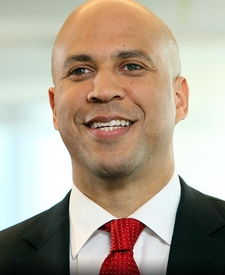
Legislative Progress
IntroducedMr. Mullin (for himself and Mr. Booker) introduced the following …
Stakeholder Effects
cui bono?How this legislation distributes effects. Mention counts reflect frequency, not effect magnitude.
Biologics manufacturers (biological products), Pharmaceutical manufacturers (prescription drugs subject to section 503(b)(1))
FDA Commissioner, Secretary of Health and Human Services
Prescribers (doctors, nurse practitioners)
Bill Structure & Actor Mappings
Who is "The Secretary" in each section?
- "the_secretary"
- → Secretary of Health and Human Services
- "the_commissioner"
- → Commissioner of Food and Drugs
Key Definitions
Terms defined in this bill
Has the meaning given to such term in section 201 of the Federal Food, Drug, and Cosmetic Act (21 U.S.C. 321)
We use a combination of our own taxonomy and classification in addition to large language models to assess meaning and potential beneficiaries. High confidence means strong textual evidence. Always verify with the original bill text.
Learn more about our methodology