To provide for digital communication of prescribing information for drugs (including biological products), and for other purposes.
Analysis under review: This bill has generated analysis that may be too generic or incomplete. Clause-level evidence remains available below.
Summary
What This Bill Does
The bill amends Federal Food, Drug, and Cosmetic Act to allow pharmaceutical manufacturers to provide prescribing information electronically instead of in paper form, while requiring them to offer paper copies upon request at no. It relies on exemptions, reporting requirements, and compliance mandates. The main policy areas are Healthcare and Trade.
Who Benefits and How
Pharmaceutical manufacturers (prescription drugs subject to section 503(b)(1)) could see lower costs, Biologics manufacturers (biological products) could see lower costs, and Prescribers (doctors, nurse practitioners) could face lower compliance burdens.
Who Bears the Burden and How
Secretary of Health and Human Services would take on compliance duties and FDA Commissioner would take on compliance duties.
Key Provisions
- Amends Federal Food, Drug, and Cosmetic Act to allow pharmaceutical manufacturers to provide prescribing information electronically instead of in paper form, while requiring them to offer paper copies upon request at no...
Evidence Chain:
This summary is generated from the full bill text using AI analysis. Expand "Detailed Analysis" below for identified beneficiaries/burden bearers with clause-level evidence links.
At a Glance
What This Bill Does
The bill amends Federal Food, Drug, and Cosmetic Act to allow pharmaceutical manufacturers to provide prescribing information electronically instead of in paper form, while requiring them to offer paper copies upon request at no.
Key Policy Areas
Healthcare, Trade
Primary Purpose
The bill amends Federal Food, Drug, and Cosmetic Act to allow pharmaceutical manufacturers to provide prescribing information electronically instead of in paper form, while requiring them to offer paper copies upon request at no.
Policy Domains
Section 1 - Short Title
Identified Gains
- Pharmaceutical manufacturers (prescription drugs subject to section 503(b)(1))
- Biologics manufacturers (biological products)
- Prescribers (doctors, nurse practitioners)
- Dispensers (pharmacies, pharmacists)
Identified Costs
- Secretary of Health and Human Services
- FDA Commissioner
Sponsors
Legislative Progress
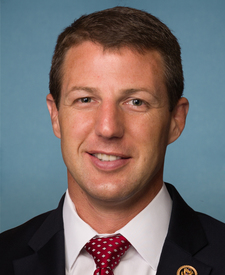
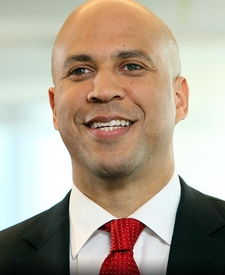
IntroducedMr. Mullin (for himself and Mr. Booker) introduced the following …
Stakeholder Effects
cui bono?How this legislation distributes effects. Mention counts reflect frequency, not effect magnitude.
Biologics manufacturers (biological products), Pharmaceutical manufacturers (prescription drugs subject to section 503(b)(1))
FDA Commissioner, Secretary of Health and Human Services
Prescribers (doctors, nurse practitioners)
Bill Structure & Actor Mappings
Who is "The Secretary" in each section?
- "the_secretary"
- → Secretary of Health and Human Services
- "the_commissioner"
- → Commissioner of Food and Drugs
Key Definitions
Terms defined in this bill
Has the meaning given to such term in section 201 of the Federal Food, Drug, and Cosmetic Act (21 U.S.C. 321)
We use a combination of our own taxonomy and classification in addition to large language models to assess meaning and potential beneficiaries. High confidence means strong textual evidence. Always verify with the original bill text.
Learn more about our methodology