To provide for the overall health and well-being of young people, including the promotion and attainment of lifelong sexual health and healthy relationships, and for other purposes.
Summary
What This Bill Does
The bill establishes the legislative purpose and findings for comprehensive sex education, declaring that young people have the right to evidence-informed, medically accurate, and culturally responsive sex education and sexual, defines key terms for the Act including sex education, sexual health services, underserved young people, evidence-informed, medically accurate, and other operational terms that establish the scope and standards, and authorizes the Secretary of HHS to award competitive 5-year grants to public/private entities for sex education programs in elementary and secondary schools and youth-serving organizations, with priority given. It relies on grants, definition changes, compliance mandates, and reporting requirements. The main policy areas are Education, Small Business, Healthcare, and Science & Space.
Who Benefits and How
Comprehensive sex education providers could gain revenue opportunities, Youth-serving organizations providing health services could gain revenue opportunities, and State educational agencies could gain revenue opportunities.
Who Bears the Burden and How
Grant recipients under this Act would take on compliance duties, Organizations currently receiving Section 510 abstinence-only funding could lose revenue opportunities, and Abstinence-only education providers could lose revenue opportunities.
Key Provisions
- Establishes the legislative purpose and findings for comprehensive sex education, declaring that young people have the right to evidence-informed, medically accurate, and culturally responsive sex education and sexual...
- Defines key terms for the Act including sex education, sexual health services, underserved young people, evidence-informed, medically accurate, and other operational terms that establish the scope and standards...
- Authorizes the Secretary of HHS to award competitive 5-year grants to public/private entities for sex education programs in elementary and secondary schools and youth-serving organizations, with priority given...
- Authorizes the Secretary of HHS to award competitive 5-year grants to colleges and universities for sex education programs, with priority to minority-serving institutions including Hispanic-serving, Tribal colleges...
- Authorizes the Secretary of HHS to award competitive 5-year grants for professional development and training of teachers, health educators, faculty, administrators, and staff on sex education, including anti-racist...
Evidence Chain:
This summary is generated from the full bill text using AI analysis. Expand "Detailed Analysis" below for identified beneficiaries/burden bearers with clause-level evidence links.
At a Glance
What This Bill Does
The bill establishes the legislative purpose and findings for comprehensive sex education, declaring that young people have the right to evidence-informed, medically accurate, and culturally responsive sex education and sexual, defines key terms for the Act including sex education, sexual health services, underserved young people, evidence-informed, medically accurate, and other operational terms that establish the scope and standards, and authorizes the Secretary of HHS to award competitive 5-year grants to public/private entities for sex education programs in elementary and secondary schools and youth-serving organizations, with priority given.
Key Policy Areas
Education, Small Business, Healthcare, Science & Space
Primary Purpose
The bill establishes the legislative purpose and findings for comprehensive sex education, declaring that young people have the right to evidence-informed, medically accurate, and culturally responsive sex education and sexual, defines key terms for the Act including sex education, sexual health services, underserved young people, evidence-informed, medically accurate, and other operational terms that establish the scope and standards, and authorizes the Secretary of HHS to award competitive 5-year grants to public/private entities for sex education programs in elementary and secondary schools and youth-serving organizations, with priority given.
Policy Domains
Title I - Small Business Innovation Research
Identified Gains
- Comprehensive sex education providers
- Youth-serving organizations providing health services
- State educational agencies
- Sexual health service providers
- Minority-serving institutions of higher education
Identified Costs
- Grant recipients under this Act
- Organizations currently receiving Section 510 abstinence-only funding
- Abstinence-only education providers
- Department of Health and Human Services
- HIV education programs receiving federal funds
Sponsors

Legislative Progress
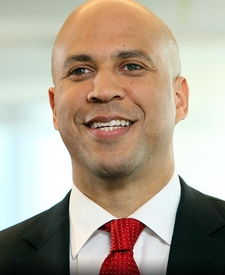
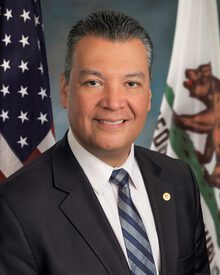
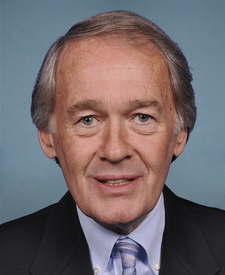
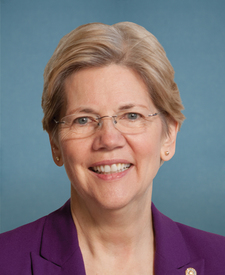
IntroducedMr. Booker (for himself, Ms. Hirono, Mr. Padilla, Mr. Markey, …
Stakeholder Effects
cui bono?How this legislation distributes effects. Mention counts reflect frequency, not effect magnitude.
Abstinence-only education providers, All colleges and universities, Comprehensive sex education providers
Positive-direction: All colleges and universities, Comprehensive sex education providers, Educational service agencies, Indian Tribes and Tribal organizations, Local educational agencies, Minority-serving institutions of higher education, Nonprofit institutions of higher education, State education agencies, State educational agencies, Teachers and health educators, Tribal Colleges and Universities
Negative-direction: Abstinence-only education providers, Grant recipients under this Act, HIV education programs receiving federal funds, Organizations currently receiving Section 510 abstinence-only funding
LGBTQ+ young people, Minority young people, Underserved young people (LGBTQ+, minorities, low-income)
Sex education training nonprofits, Youth-serving nonprofit organizations, Youth-serving organizations providing health services
Community health centers (340B covered entities), Federally Qualified Health Centers, Sexual health service providers
Independent evaluation contractors, Research and technical assistance providers
Bill Structure & Actor Mappings
Who is "The Secretary" in each section?
- "the_administration"
- → Small Business Administration
- "the_director_bia"
- → Director of the Bureau of Indian Affairs
- "the_director_onhr"
- → Director of the Office of Native Hawaiian Relations
- "the_secretary"
- → Secretary of Veterans Affairs
- "the_comptroller_general"
- → Comptroller General of the United States
- "the_secretary"
- → Secretary of Labor
- "the_chair"
- → Assistant to the President for National Security Affairs
- "the_committee"
- → Committee on Ethics
Note: 'The Secretary' refers to different Cabinet officials depending on title: Secretary of Veterans Affairs in Title IV, Secretary of Labor in Title VI
Key Definitions
Terms defined in this bill
Any individual who is certified by the designated local agency as being (as of the hiring date) a spouse of a member of the Armed Forces of the United States
An issuer as defined in section 3 of the Securities Exchange Act of 1934 whose securities are required to be registered under section 12 or that is required to file reports under section 15(d) of such Act
We use a combination of our own taxonomy and classification in addition to large language models to assess meaning and potential beneficiaries. High confidence means strong textual evidence. Always verify with the original bill text.
Learn more about our methodology