Plant Biostimulant Act of 2025
Analysis under review: This bill has generated analysis that may be too generic or incomplete. Clause-level evidence remains available below.
Summary
What This Bill Does
This bill creates a clear legal definition for "plant biostimulants" - products that help plants grow better by improving nutrient uptake and stress tolerance without being fertilizers. By defining these products separately from "plant regulators" (which are regulated as pesticides), the bill exempts biostimulants from the EPA's pesticide registration requirements under the Federal Insecticide, Fungicide, and Rodenticide Act.
Who Benefits and How
Agricultural biotechnology and biostimulant manufacturers benefit significantly because their products would no longer require costly and time-consuming EPA pesticide registration. This removes a major regulatory barrier to market entry. Farmers and agricultural producers gain easier access to soil-enhancing products that can improve crop yields and stress tolerance. The agricultural sustainability sector benefits from the mandated USDA study on how biostimulants can support soil health and carbon sequestration.
Who Bears the Burden and How
The EPA must revise its regulations within 120 days to implement the new definitions, requiring administrative resources. The Department of Agriculture must conduct and publish a comprehensive soil health study within 2 years, requiring research funding and staff time. Environmental and consumer safety advocates may be concerned that exempting these products from pesticide oversight could reduce regulatory scrutiny of substances applied to food crops.
Key Provisions
- Defines "plant biostimulant" as any substance or microorganism that supports plant natural processes independently of nutrient content, improving nutrient efficiency, stress tolerance, and growth
- Excludes plant biostimulants (both biological and synthetically-derived that mimic biological substances) from EPA pesticide registration requirements
- Creates new definitions for "nutritional chemical" and "vitamin hormone product" to clarify regulatory categories
- Requires EPA to update its regulations within 120 days of enactment
- Mandates a USDA study on biostimulant practices for soil health, carbon sequestration, and agricultural sustainability, with a report to Congress within 2 years
Evidence Chain:
This summary is generated from the full bill text using AI analysis. Expand "Detailed Analysis" below for identified beneficiaries/burden bearers.
At a Glance
What This Bill Does
The bill aims to establish a consistent definition for plant biostimulants under the Federal Insecticide, Fungicide, and Rodenticide Act (FIFRA), ensuring clarity in regulations related to agricultural practices.
Key Policy Areas
Agriculture, Environment
Primary Purpose
The bill aims to establish a consistent definition for plant biostimulants under the Federal Insecticide, Fungicide, and Rodenticide Act (FIFRA), ensuring clarity in regulations related to agricultural practices.
Policy Domains
Sponsors

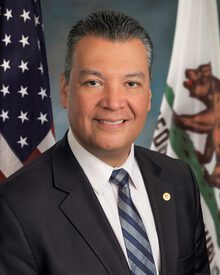

Legislative Progress
In CommitteeMr. Marshall (for himself and Mr. Padilla) introduced the following …
Read twice and referred to the Committee on Agriculture, Nutrition, …
Introduced in Senate
Stakeholder Effects
cui bono?How this legislation distributes effects. Mention counts reflect frequency, not effect magnitude.
Bill Structure & Actor Mappings
Who is "The Secretary" in each section?
- "the_secretary"
- → Secretary of Agriculture
- "the_administrator"
- → Administrator of Environmental Protection Agency
Key Definitions
Terms defined in this bill
Any substance or mixture intended to alter plant growth, maturation, or behavior through physiological action. Excludes substances used as nutrients, trace elements, nutritional chemicals, inoculants, soil amendments, and vitamin hormone products.
A substance, microorganism, or mixture that supports a plant's natural processes independently of nutrient content. It improves nutrient availability, uptake, use efficiency, tolerance to abiotic stress, and growth.
This Act may be cited as the Plant Biostimulant Act of 2025.
We use a combination of our own taxonomy and classification in addition to large language models to assess meaning and potential beneficiaries. High confidence means strong textual evidence. Always verify with the original bill text.
Learn more about our methodology