Stop the Scroll Act
Summary
What This Bill Does
Requires covered social media and anonymous content-sharing platforms to display a mental health warning label each time a U.S. user accesses the platform and treats violations as FTC unfair-or-deceptive-practice violations.
Who Benefits and How
Social media users, parents, teenagers, and mental health advocates benefit from repeated warning labels about potential mental health risks associated with covered platforms. The Federal Trade Commission benefits from explicit enforcement authority under unfair-or-deceptive-practice rules. Researchers and public health officials benefit if standardized warnings increase awareness of bullying, harassment, abuse, discrimination, and child sexual exploitation risks.
Who Bears the Burden and How
Social media platform providers and anonymous content-sharing platforms must display clear and conspicuous warnings to U.S. users at each access. FTC enforcement staff must police violations and issue or apply regulations. Platform designers and compliance teams bear implementation costs and potential enforcement exposure. Users may experience more friction when opening covered platforms.
Key Provisions
- Provides findings on social media and mental health risks.
- Defines covered platform, anonymous content sharing platform, and platform provider.
- Requires a clear and conspicuous mental health warning label each time a U.S. user accesses a covered platform.
- Treats violations as unfair or deceptive acts or practices under FTC authority.
- Creates compliance duties for social media platforms and anonymous content-sharing services.
Evidence Chain:
This summary is generated from the full bill text using AI analysis. Expand "Detailed Analysis" below for identified beneficiaries/burden bearers with clause-level evidence links.
At a Glance
What This Bill Does
Requires covered social media and anonymous content-sharing platforms to display a mental health warning label each time a U.S. user accesses the platform and treats violations as FTC unfair-or-deceptive-practice violations.
Key Policy Areas
Consumer Protection, Social Media, Mental Health
Primary Purpose
Requires covered social media and anonymous content-sharing platforms to display a mental health warning label each time a U.S. user accesses the platform and treats violations as FTC unfair-or-deceptive-practice violations.
Policy Domains
House resolution provisions
Identified Gains
- Social media users
- Parents
- Teenagers
- Mental health advocates
- Federal Trade Commission
Identified Costs
- Social media platform providers
- Anonymous content-sharing platforms
- FTC enforcement staff
- Platform compliance teams
Sponsors

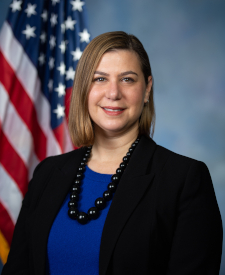
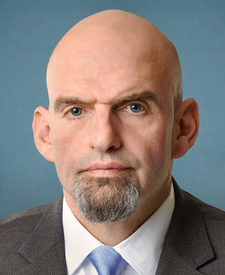

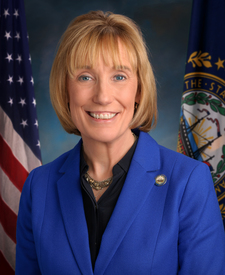
Legislative Progress
ReportedCommittee on Commerce, Science, and Transportation. Ordered to be reported …
Mrs. Britt (for herself and Mr. Fetterman) introduced the following …
Read twice and referred to the Committee on Commerce, Science, …
Introduced in Senate
Stakeholder Effects
cui bono?How this legislation distributes effects. Mention counts reflect frequency, not effect magnitude.
FTC enforcement staff, Federal Trade Commission, Parents
Positive-direction: Federal Trade Commission, Parents, Social media users
Negative-direction: FTC enforcement staff
Platform compliance teams, Social media platform providers, Social media platforms
Agency legal staff, Congressional committees
Positive-direction: Congressional committees
Negative-direction: Agency legal staff
Bill Structure & Actor Mappings
Who is "The Secretary" in each section?
- "commission"
- → Federal Trade Commission
We use a combination of our own taxonomy and classification in addition to large language models to assess meaning and potential beneficiaries. High confidence means strong textual evidence. Always verify with the original bill text.
Learn more about our methodology