CHILD Act of 2025
Summary
What This Bill Does
The CHILD Act of 2025 amends the National Child Protection Act of 1993 to broaden who can be treated as a covered individual for background checks. It adds people who contract with qualified entities, people employed by or volunteering with entities under contract with qualified entities, and people licensed or certified by qualified entities.
The change matters because qualified entities use the National Child Protection Act background-check framework for people who work with children, older adults, or individuals with disabilities.
Who Benefits and How
Qualified entities that serve children, older adults, or individuals with disabilities benefit because they can use the background-check framework for a broader set of workers, contractors, volunteers, licensees, and certification applicants. Children and other protected populations benefit from broader screening coverage for people who may have access to them through contracted or licensed roles.
State background-check systems and qualified entities benefit from clearer statutory authority to include contractors and licensed or certified individuals.
Who Bears the Burden and How
Contractors, subcontracted workers, volunteers, license applicants, and certification applicants connected to qualified entities may face background-check requirements before employment, volunteer service, licensing, or certification. Qualified entities and state administrators must apply the broader covered-individual definition.
The bill does not create a new grant program; the burden is compliance and screening administration.
Key Provisions
- Adds contractors and prospective contractors to the covered-individual definition.
- Adds employees and volunteers of entities under contract with qualified entities.
- Adds people licensed or certified, or seeking licensing or certification, by qualified entities.
- Applies the expanded definition to background checks under the National Child Protection Act of 1993.
Evidence Chain:
This summary is generated from the full bill text using AI analysis. Expand "Detailed Analysis" below for identified beneficiaries/burden bearers with clause-level evidence links.
At a Glance
What This Bill Does
Expands the National Child Protection Act covered-individual definition so background checks can cover contractors, subcontracted workers, volunteers, licensees, and certification applicants tied to qualified entities.
Key Policy Areas
Child Protection, Criminal Justice, Social Welfare
Primary Purpose
Expands the National Child Protection Act covered-individual definition so background checks can cover contractors, subcontracted workers, volunteers, licensees, and certification applicants tied to qualified entities.
Policy Domains
Whole bill
Identified Gains
- Qualified entities serving children
- Children served by qualified entities
- State background-check systems
- Individuals with disabilities served by qualified entities
Identified Costs
- Contractors for qualified entities
- Subcontracted workers
- Volunteers for qualified entities
- License and certification applicants
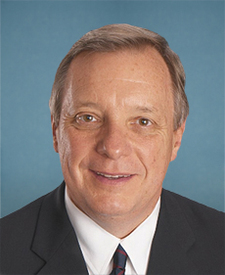
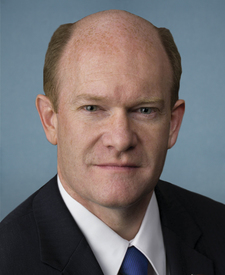
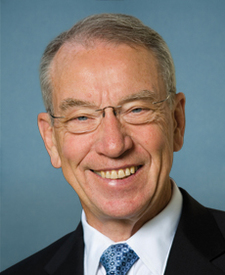
Sponsors

Legislative Progress
Passed SenateReceived in the House.
Held at the desk.
Message on Senate action sent to the House.
Passed Senate without amendment by Unanimous Consent. (consideration: CR S1854; …
Passed/agreed to in Senate: Passed Senate without amendment by Unanimous …
Placed on Senate Legislative Calendar under General Orders. Calendar No. …
Reported by Mr. Grassley, without amendment
Committee on the Judiciary. Reported without amendment. Without written report.
Committee on the Judiciary. Ordered to be reported without amendment …
Introduced in Senate
Impact analysis is available but no clear stakeholder effects identified. View clause-level analysis →
Bill Structure & Actor Mappings
Who is "The Secretary" in each section?
- "secretary"
- → Secretary or agency head identified in the operative section
- "administrator"
- → Administrator identified in the operative section
We use a combination of our own taxonomy and classification in addition to large language models to assess meaning and potential beneficiaries. High confidence means strong textual evidence. Always verify with the original bill text.
Learn more about our methodology