To establish a Medicare-for-All national health insurance program.
Analysis under review: This bill has generated analysis that may be too generic or incomplete. Clause-level evidence remains available below.
Summary
What This Bill Does
This legislation creates a universal healthcare system covering all U.S. residents. The Medicare for All Program would provide comprehensive medical care including hospital services, prescription drugs, mental health, dental, vision, and long-term care with no deductibles or copays (except limited drug cost-sharing up to $200/year). Private insurance offering duplicate coverage would be prohibited.
Who Benefits and How
Uninsured and underinsured Americans gain comprehensive coverage with no cost-sharing. Patients with chronic conditions or high medical costs benefit from elimination of deductibles and copays. Healthcare providers receive simplified billing through a single payer. Employers are relieved of the burden of providing health insurance. Generic drug manufacturers may benefit from policies encouraging generic use.
Who Bears the Burden and How
Private health insurers lose the ability to sell coverage that duplicates Medicare for All benefits, effectively ending their core business. Employer-sponsored insurance plans are prohibited from offering duplicate benefits. Pharmaceutical companies face government-negotiated drug prices. Some high-earning healthcare providers may see reduced reimbursement rates. Institutional long-term care facilities remain under Medicaid with potentially tighter standards.
Key Provisions
- Universal coverage for all U.S. residents with comprehensive benefits including dental, vision, mental health, and long-term care
- Eliminates patient cost-sharing (no deductibles, copays, or coinsurance) except limited prescription drug cost-sharing
- Prohibits private insurers from selling coverage duplicating Medicare for All benefits
- Phases in over 4 years (children covered in Year 1)
- Establishes global budgeting for institutional providers and negotiated fee schedules
Evidence Chain:
This summary is generated from the full bill text using AI analysis. Expand "Detailed Analysis" below for identified beneficiaries/burden bearers.
At a Glance
What This Bill Does
Establishes a single-payer national health insurance program (Medicare for All) that provides comprehensive healthcare coverage to all U.S. residents, replacing private health insurance and consolidating most federal health programs.
Who Benefits
- Uninsured Americans
- Underinsured Americans
- Patients with Chronic Conditions
Who Bears Costs
- Private Health Insurers
- Pharmaceutical Companies
- High-Cost Specialty Providers
Key Policy Areas
Healthcare, Health Insurance, Medicare, Medicaid, Public Health
Primary Purpose
Establishes a single-payer national health insurance program (Medicare for All) that provides comprehensive healthcare coverage to all U.S. residents, replacing private health insurance and consolidating most federal health programs.
Policy Domains
Legislative Strategy
"Replace fragmented U.S. healthcare system with single-payer model providing universal coverage, eliminating private insurance's role in primary coverage while preserving supplemental insurance market"
Sponsors
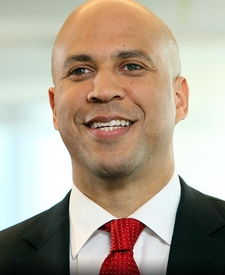
Legislative Progress
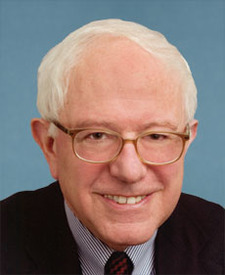
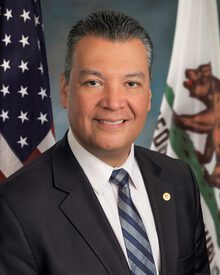
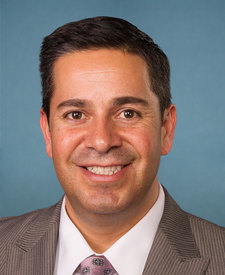
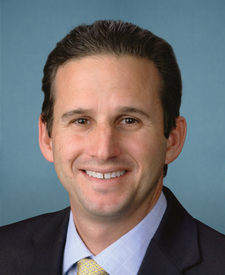
IntroducedMr. Sanders (for himself, Ms. Baldwin, Mr. Blumenthal, Mr. Booker, …
Stakeholder Effects
cui bono?How this legislation distributes effects. Mention counts reflect frequency, not effect magnitude.
Americans currently lacking dental, vision, or mental health coverage, For-profit hospital systems, Healthcare industry overall
Positive-direction: Americans currently lacking dental, vision, or mental health coverage, Individuals seeking coverage during transition, Medicare for All beneficiaries, Patients denied coverage, Patients paying for prescription drugs, Patients with high healthcare costs, Patients with ongoing treatment, Tertiary care facilities and specialty hospitals, U.S. residents seeking healthcare, Uninsured and underinsured Americans
Negative-direction: For-profit hospital systems, Healthcare providers and insurers, Healthcare providers engaged in fraud, Healthcare providers seeking to participate, Healthcare providers subject to quality measures, Healthcare providers subject to reporting, Hospitals and institutional healthcare providers
Communities facing health disparities, Current Medicare beneficiaries, Disabled individuals in Medicare waiting period
Healthcare providers offering premium services, Licensed healthcare providers, Physicians and individual healthcare providers
Positive-direction: Healthcare providers offering premium services, Licensed healthcare providers, Primary care physicians, Primary care physicians and trainees, Primary care providers in underserved areas, Reproductive healthcare providers
Negative-direction: Specialty physicians with potentially overvalued services
ACA marketplace insurers, COBRA administrators and third-party administrators, Employer-sponsored health insurance plans
Brand-name pharmaceutical manufacturers, Generic drug manufacturers, Pharmaceutical companies
Positive-direction: Generic drug manufacturers, Pharmaceutical companies
Negative-direction: Brand-name pharmaceutical manufacturers
Federal healthcare budget, State Medicaid programs, State exchange administrators
Positive-direction: State Medicaid programs
Negative-direction: Federal healthcare budget, State exchange administrators, State governments
Dental, vision, and audiology providers, Dental, vision, and mental health providers
Bill Structure & Actor Mappings
Who is "The Secretary" in each section?
- "the_secretary"
- → Secretary of Health and Human Services
- "the_secretary"
- → Secretary of Health and Human Services
- "the_secretary"
- → Secretary of Health and Human Services
- "the_secretary"
- → Secretary of Health and Human Services
Key Definitions
Terms defined in this bill
Criteria to be established by Secretary for determining residency for eligibility purposes
Health insurance coverage that duplicates benefits provided under the Medicare for All Program
Items and services that are medically necessary or appropriate for the maintenance of health or for the diagnosis, treatment, or rehabilitation of a health condition
We use a combination of our own taxonomy and classification in addition to large language models to assess meaning and potential beneficiaries. High confidence means strong textual evidence. Always verify with the original bill text.
Learn more about our methodology