To restrict the flow of illicit drugs into the United States, and for other purposes.
Analysis under review: This bill has generated analysis that may be too generic or incomplete. Clause-level evidence remains available below.
Summary
What This Bill Does
This bill strengthens the Department of Homeland Security's ability to stop illegal drugs from entering the United States. It creates new partnerships with private companies in shipping, chemicals, and pharmaceuticals to detect drugs earlier. It also allows border agents to work more closely with foreign governments and improves how drug seizure data is collected and analyzed.
Who Benefits and How
Department of Homeland Security employees stationed abroad benefit from new danger pay allowances of up to 35% of their base salary when working in dangerous areas. Customs and Border Protection gains expanded authority to operate in foreign countries and conduct joint operations with foreign governments. The shipping, chemical, and pharmaceutical industries gain formalized roles as partners with DHS in detecting illicit drugs.
Who Bears the Burden and How
Drug traffickers and criminal organizations face new federal criminal penalties (up to 5 years imprisonment and fines) for surveilling law enforcement officers or damaging border infrastructure. Anyone who destroys border fences, sensors, or cameras with intent to facilitate drug smuggling faces prosecution under the new Section 274E of the Immigration and Nationality Act.
Key Provisions
- Creates public-private partnerships with shipping, chemical, and pharmaceutical industries for early drug detection
- Authorizes danger pay (up to 35% of base pay) for DHS personnel stationed in dangerous foreign areas
- Expands CBP authority to conduct joint operations with foreign governments to intercept drugs
- Establishes new federal crimes for surveilling border agents and destroying border infrastructure
Evidence Chain:
This summary is generated from the full bill text using AI analysis. Expand "Detailed Analysis" below for identified beneficiaries/burden bearers.
At a Glance
What This Bill Does
Strengthens Department of Homeland Security capabilities to intercept illicit drugs and precursor chemicals entering the United States through public-private partnerships, enhanced international operations, improved data collection, and new criminal penalties for hindering border enforcement.
Key Policy Areas
Homeland Security, Drug Enforcement, International Affairs, Criminal Justice
Primary Purpose
Strengthens Department of Homeland Security capabilities to intercept illicit drugs and precursor chemicals entering the United States through public-private partnerships, enhanced international operations, improved data collection, and new criminal penalties for hindering border enforcement.
Policy Domains
Full Bill - Enhancing DHS Drug Seizures Act
Identified Gains
Contextual inference, no direct clause citation- Department of Homeland Security
- Customs and Border Protection
- DHS employees abroad
- Shipping companies
- Chemical companies
- Pharmaceutical companies
Contextual inference, no direct clause citation
Identified Costs
Contextual inference, no direct clause citation- Drug trafficking organizations
- Criminal organizations
- Illicit drug smugglers
Contextual inference, no direct clause citation
Sponsors
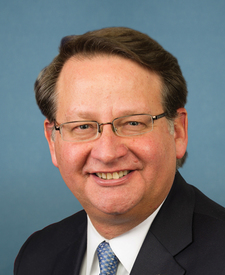
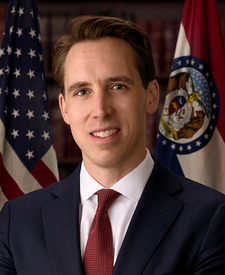
Legislative Progress
IntroducedMr. Peters (for himself and Mr. Hawley) introduced the following …
Stakeholder Effects
cui bono?How this legislation distributes effects. Mention counts reflect frequency, not effect magnitude.
Law enforcement, justice-system actors, and affected communities
Bill Structure & Actor Mappings
Who is "The Secretary" in each section?
- "the_director"
- → Director of U.S. Immigration and Customs Enforcement
- "the_secretary"
- → Secretary of Homeland Security
- "the_commissioner"
- → Commissioner of U.S. Customs and Border Protection
We use a combination of our own taxonomy and classification in addition to large language models to assess meaning and potential beneficiaries. High confidence means strong textual evidence. Always verify with the original bill text.
Learn more about our methodology