Fix Our Forests Act
Summary
What This Bill Does
The Fix Our Forests Act is a large wildfire, forestry, and disaster-recovery bill. It designates high-risk firesheds for intensive federal attention, using the Forest Service Wildfire Crisis Strategy and firesheds in the top 20 percent for exposure to communities, municipal watersheds, Tribal water supplies, critical infrastructure, and vegetation conversion. It then builds the administrative machinery for that system: a publicly accessible Fireshed Registry, fireshed assessments, emergency fireshed-management authority, project strike teams, and shared-stewardship agreements with Governors and other partners. Within those areas, Forest Service and Interior officials receive faster routes to hazardous-fuels projects, hazard-tree work, fuel breaks, grazing for fuel reduction, watershed protection, Tribal forest projects, and local-contractor restoration work.
The bill also creates a Wildland Fire Intelligence Center jointly run by Agriculture and Interior. The Center is meant to be a standing national hub for wildfire forecasting, risk catalogs, evacuation and public-safety power-shutoff planning, smoke and air-quality data, real-time data interfaces for firefighters and contractors, interoperable federal-state-Tribal data systems, and procurement of commercially available wildfire technology. Its board includes Forest Service, Interior, BLM, Bureau of Indian Affairs, National Park Service, Fish and Wildlife Service, USGS, NOAA, National Weather Service, FEMA, U.S. Fire Administration, Defense, NSF, and NASA career employees.
Beyond firesheds, the bill changes how forest work gets planned and challenged. It expands Good Neighbor and stewardship-contracting tools, raises a locally led restoration sale threshold from $10,000 to $55,000, modifies the Joint Chiefs Landscape Restoration Partnership and Collaborative Forest Landscape Restoration Program, directs regional wildland fire research centers, and gives local contractors a preference for certain hazardous-fuel reduction projects. It also narrows some litigation mechanics for fireshed projects by limiting preliminary injunctions and setting expedited judicial handling, while preserving consultation and forest-plan rules in other sections.
The prescribed-fire title tries to make intentional burning easier and safer. It directs agencies to treat prescribed fire as an eligible wildfire-risk tool, revise workforce training, address liability for prescribed-fire managers, align environmental-review policies, authorize contracts or cooperative agreements with states, Tribes, local governments, fire departments, private entities, and nonprofits, and create a Tribal prescribed burn demonstration project. The community-wildfire title creates a Community Wildfire Risk Reduction Program, expands community wildfire defense research, changes the community wildfire defense grant program, updates the at-risk community definition, and gives electric transmission and distribution owners clearer vegetation-management, inspection, operation, and hazard-tree authorities along rights-of-way.
The bill adds reforestation and forest-product pieces that are easy to miss in a short summary. It requires a Seeds of Success strategy, supports priority reforestation and restoration projects, authorizes support for state forestry agencies, Tribes, private nurseries, and seed orchard operators, and requires fire department repayment procedures. It promotes biochar research and market opportunities, requires more accurate hazardous-fuels reporting, creates a public-private wildfire technology deployment partnership, orders GAO and agency studies on Forest Service policy, forest-plan currency, aerial firefighting systems, pine beetle infestation, and wildfire smoke, and creates a White Oak Restoration Initiative with pilots, Interior assessments, nursery and research work, NIFA partnerships, and a formal USDA initiative.
Finally, the bill adds benefits and disaster-administration provisions outside ordinary forest management. It creates a Wildland Fire Management Casualty Assistance Program for next-of-kin of fallen wildland firefighters. It lets cooperative funds agreement money support restoration and related work, modifies emergency forest watershed, emergency conservation, and emergency forest restoration programs, and requires FEMA to build a unified disaster assistance intake process that lets individuals, businesses, organizations, states, local governments, and Tribal governments apply for multiple disaster programs, receive status updates, update information, share application data across certified agencies, and receive recovery-resource information while observing privacy and cybersecurity rules.
Who Benefits and How
At-risk communities benefit because firesheds with high exposure to lives, structures, critical infrastructure, municipal watersheds, and Tribal water systems receive priority treatment and faster project authorities. Municipal water suppliers and end water users benefit from watershed-fire risk reduction and Water Source Protection Program changes. Tribal governments benefit from inclusion in fireshed planning, Tribal forest protection projects, the Bureau of Indian Affairs role in the Wildland Fire Intelligence Center, and a Tribal prescribed burn demonstration project. State governors and state forestry agencies benefit from shared stewardship, fireshed assessment coordination, Good Neighbor revenue rules, community wildfire programs, and nursery or seed support. Grazing permittees benefit if livestock grazing is used as a fuel-reduction tool. Local hazardous-fuel contractors benefit from contract preferences and more restoration projects. Prescribed-fire managers, fire departments, and Tribal burn crews benefit from clearer training, liability, cooperative-agreement, and repayment rules. Electric utilities and transmission owners benefit from clearer right-of-way vegetation, inspection, maintenance, and fire-safe corridor authorities. Private nurseries, seed orchard operators, biochar producers, wildfire technology vendors, white oak landowners, research universities, and NIFA partners benefit from new programs, studies, procurement paths, pilot projects, and partnership opportunities. Wildland firefighter families benefit from casualty assistance. Disaster survivors benefit from a unified FEMA-led application and data-sharing system designed to reduce repeated paperwork and speed assistance.
Who Bears the Burden and How
Forest Service fuels staff and BLM fuels staff must designate fireshed management areas, maintain maps, perform assessments, use expedited authorities, staff strike teams, and coordinate with Governors, Tribes, and local partners. Wildland Fire Intelligence Center staff must operate a national forecasting and data hub, maintain the Fireshed Registry, procure technology, protect confidential information, and support many federal, state, local, and Tribal users. Public land NEPA commenters and environmental plaintiffs bear a procedural burden where fireshed designations are exempt from NEPA, emergency project authorities are expanded, and litigation timelines or injunction standards are tightened. Federal district courts must process certain fireshed cases on an accelerated track. Forest Service contracting officers, BLM contracting officers, NRCS conservation staff, NOAA and EPA smoke researchers, GAO auditors, FEMA disaster intake staff, and certified disaster assistance agency staff receive new reporting, coordination, data-security, and program-administration duties. Federal taxpayers bear the budget burden for expanded fire intelligence, restoration, research, reforestation, casualty-assistance, and disaster-intake work.
Key Provisions
- Designates high-risk fireshed management areas using community wildfire exposure, municipal and Tribal watershed risk, critical infrastructure risk, and vegetation conversion risk.
- Creates a Wildland Fire Intelligence Center to provide wildfire forecasting, risk catalogs, smoke data, evacuation planning support, firefighter data interfaces, interoperable data standards, and wildfire-technology procurement.
- Requires a public Fireshed Registry, fireshed assessments, shared-stewardship coordination, emergency fireshed project use, and project strike teams.
- Expands Good Neighbor, stewardship-contracting, Joint Chiefs, collaborative restoration, grazing, water-source protection, Tribal forest protection, regional research center, and local-contractor restoration authorities.
- Tightens litigation procedures for certain fireshed projects while separately addressing forest-plan consultation and environmental-review practices.
- Expands prescribed-fire eligibility, workforce training, liability rules, cooperative agreements, Tribal prescribed burns, and responsible-use policies.
- Establishes community wildfire risk reduction and research programs, updates at-risk community rules, and changes community wildfire defense grants.
- Authorizes electric transmission and distribution right-of-way vegetation management, fire-safe electrical corridors, and categorical exclusions for high-priority hazard trees.
- Supports seeds, reforestation, nurseries, seed orchards, fire department repayment, biochar innovation, wildfire technology demonstrations, aerial firefighting, smoke research, pine beetle research, and white oak restoration.
- Creates a Wildland Fire Management Casualty Assistance Program and a FEMA-led unified disaster assistance intake system with status updates, cross-agency application-data sharing, privacy notices, and cybersecurity requirements.
Evidence Chain:
This summary is generated from the full bill text using AI analysis. Expand "Detailed Analysis" below for identified beneficiaries/burden bearers with clause-level evidence links.
At a Glance
What This Bill Does
Creates a national fireshed-based wildfire-risk reduction system that prioritizes high-risk landscapes, builds a Wildland Fire Intelligence Center and Fireshed Registry, streamlines forest and prescribed-fire projects, expands community and utility wildfire programs, supports reforestation and forest-product innovation, creates white oak and firefighter-family assistance programs, and modernizes disaster assistance intake.
Key Policy Areas
Forestry, Wildfire, Disaster Assistance, Public Lands, Utilities, Tribal Affairs
Primary Purpose
Creates a national fireshed-based wildfire-risk reduction system that prioritizes high-risk landscapes, builds a Wildland Fire Intelligence Center and Fireshed Registry, streamlines forest and prescribed-fire projects, expands community and utility wildfire programs, supports reforestation and forest-product innovation, creates white oak and firefighter-family assistance programs, and modernizes disaster assistance intake.
Policy Domains
Title I - Firesheds, forest management, litigation, and prescribed fire
Identified Gains
- At-risk communities
- Municipal water suppliers
- Tribal governments
- State governors
- Grazing permittees
- Local hazardous-fuel contractors
- Prescribed-fire managers
Identified Costs
- Forest Service fuels staff
- BLM fuels staff
- Wildland Fire Intelligence Center staff
- Public land NEPA commenters
- Environmental plaintiffs
- Federal district courts
Titles IV and V - Firefighter casualty assistance and disaster programs
Identified Gains
- Wildland firefighter families
- Disaster survivors
- State disaster recovery offices
- Tribal disaster recovery offices
- Small Business disaster loan applicants
Identified Costs
- FEMA disaster intake staff
- Certified disaster assistance agency staff
- Federal privacy officers
- Federal taxpayers
Title III - Innovation, studies, and white oak restoration
Identified Gains
- Biochar producers
- Wildfire technology vendors
- Aerial firefighting contractors
- White oak landowners
- Research universities
- NIFA research partners
Identified Costs
- GAO auditors
- Forest Service planners
- EPA smoke researchers
- Interior restoration staff
- NRCS conservation staff
Title II - Community wildfire, utilities, and reforestation
Identified Gains
- Community wildfire defense grantees
- Electric utilities
- Transmission owners
- Private nurseries
- Seed orchard operators
- Fire departments
Identified Costs
- FEMA wildfire program staff
- Forest Service reforestation staff
- BLM right-of-way staff
- Electric utility compliance teams
- Federal taxpayers
Sponsors


Legislative Progress
ReportedReported by Mr. Boozman, with an amendment
Placed on Senate Legislative Calendar under General Orders. Calendar No. …
Committee on Agriculture, Nutrition, and Forestry. Reported by Senator Boozman …
Committee on Agriculture, Nutrition, and Forestry. Ordered to be reported …
Committee on Agriculture, Nutrition, and Forestry. Hearings held. Hearings printed: …
Introduced in Senate
Read twice and referred to the Committee on Agriculture, Nutrition, …
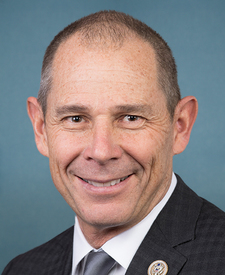
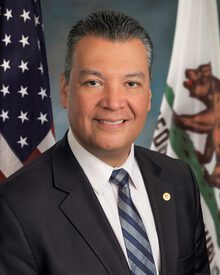
Mr. Curtis (for himself, Mr. Hickenlooper, Mr. Sheehy, and Mr. …
Stakeholder Effects
cui bono?How this legislation distributes effects. Mention counts reflect frequency, not effect magnitude.
Collaborative forest landscape groups, Disaster-damaged forest owners, Federal timber-sale reviewers
Forest Service community wildfire staff, Forest Service contracting officers, Forest Service fire training staff, Forest Service planners face effects in multiple directions
Positive-direction: Collaborative forest landscape groups, Disaster-damaged forest owners, Forest Service project managers, Forest Service project sponsors, Forest Service restoration partners, Forest biomass suppliers, Forest health managers, Forest restoration contractors, Local hazardous-fuel contractors, Local restoration sponsors, Prescribed-fire contractors, Prescribed-fire managers, Private forest landowners, Seed orchard operators, Small forest contractors, State forestry agencies, State forestry partners, White oak landowners
Negative-direction: Federal timber-sale reviewers, Forest Service agreement officers, Forest Service aviation staff, Forest Service biochar staff, Forest Service casualty assistance staff, Forest Service finance staff, Forest Service fire analysts, Forest Service fuels staff, Forest Service grazing staff, Forest Service legal staff, Forest Service monitoring staff, Forest Service policy staff, Forest Service reforestation staff, Forest Service research staff, Forest Service restoration grant staff, Forest Service restoration staff, Forest Service right-of-way staff, Forest Service smoke researchers, Forest Service strike teams, Forest Service timber-sale staff, Forest Service tribal forestry staff, Forest Service watershed staff, Forest Service white oak staff, Nonlocal forest contractors
At-risk communities, BLM fire training staff, BLM fuels staff
BLM fire training staff faces effects in multiple directions
Positive-direction: At-risk communities, BLM project sponsors, Community wildfire defense grantees, Cooperative agreement partners, Emergency managers, Federal land management staff, Fire departments, Firefighters, Local emergency managers, National forest users, Public health agencies, Smoke-exposed communities, State wildfire offices, Wildland fire personnel, Wildland firefighter families
Negative-direction: BLM fuels staff, BLM grazing staff, BLM project managers, BLM right-of-way staff, Interior aviation staff, Interior casualty assistance staff, Interior finance staff, Interior legal staff, Interior restoration staff
BIA forestry staff, Indian forest land managers, Tribal burn crews
Positive-direction: Indian forest land managers, Tribal burn crews, Tribal disaster recovery offices, Tribal forestry programs, Tribal governments, Tribal wildfire offices
Negative-direction: BIA forestry staff
Aerial firefighting contractors, End water users, Municipal water suppliers
Positive-direction: Aerial firefighting contractors, End water users, Municipal water suppliers, Tribal water systems, Watershed Condition Framework staff
Negative-direction: Water Source Protection Program staff
EPA smoke researchers, Ecosystem restoration contractors, Environmental plaintiffs
Positive-direction: Ecosystem restoration contractors, State restoration partners
Negative-direction: EPA smoke researchers, Environmental plaintiffs, Public land NEPA commenters
NIFA research partners, Pine beetle researchers, Regional wildfire researchers
Positive-direction: NIFA research partners, Pine beetle researchers, Regional wildfire researchers, Soil health researchers
Negative-direction: USGS wildfire scientists
Calf Canyon Fire landowners, Certified disaster assistance agency staff, Disaster survivors
FEMA wildfire program staff faces effects in multiple directions
Positive-direction: Calf Canyon Fire landowners, Disaster survivors, Hermits Peak landowners, Post-fire watershed communities, State disaster recovery offices
Negative-direction: Certified disaster assistance agency staff, FEMA disaster intake staff, FEMA wildfire claims staff
Bill Structure & Actor Mappings
Who is "The Secretary" in each section?
- "secretary"
- → Secretary of Agriculture
- "executive_director"
- → Executive Director of the Wildland Fire Intelligence Center
- "secretary_concerned"
- → Secretary of Agriculture or Secretary of the Interior
- "responsible_official"
- → Responsible official for a fireshed management project
- "secretaries"
- → Secretaries of Agriculture and the Interior
- "secretary_homeland_security"
- → Secretary of Homeland Security
- "secretary"
- → Secretary of Agriculture
- "secretary_interior"
- → Secretary of the Interior
- "comptroller_general"
- → Comptroller General of the United States
- "administrator"
- → FEMA Administrator
- "disaster_assistance_agency"
- → Certified disaster assistance agency
Key Definitions
Terms defined in this bill
A landscape-scale area used to evaluate wildfire exposure and prioritize risk reduction across federal and non-federal land.
A joint Agriculture-Interior office that provides wildfire prediction, data, decision support, technology procurement, and the Fireshed Registry.
A state forestry agency, Indian Tribe, or private nursery eligible for reforestation, nursery, or genetic-resource support.
Personal, geographic, financial, application-decision, and other data used to process disaster assistance or administer disaster programs.
We use a combination of our own taxonomy and classification in addition to large language models to assess meaning and potential beneficiaries. High confidence means strong textual evidence. Always verify with the original bill text.
Learn more about our methodology