Wildfire Prevention Act of 2025
Analysis under review: This bill has generated analysis that may be too generic or incomplete. Clause-level evidence remains available below.
Summary
What This Bill Does
This bill aims to reduce wildfire risk on federal lands by mandating increased vegetation management activities. It requires the Forest Service and Bureau of Land Management to progressively increase mechanical thinning and prescribed burns by 40% above baseline levels by 2029, while streamlining environmental review processes for these activities.
Who Benefits and How
Timber and logging companies benefit from expanded harvesting opportunities through higher timber sale thresholds (raised from $10,000 to $55,000) and streamlined permitting. Electric utilities gain easier vegetation management rights along power line corridors on federal land. Livestock grazing operators may see expanded opportunities to use grazing as a wildfire reduction tool. Technology companies developing wildfire prevention, detection, and mitigation technologies can participate in a new federal testbed pilot program.
Who Bears the Burden and How
Environmental advocacy groups face reduced opportunities for environmental review as the bill creates new categorical exclusions for hazard tree removal and exempts certain agency goal-setting from NEPA requirements. Federal agencies (Forest Service, BLM) face new mandatory reporting requirements and must meet progressively higher treatment targets. Taxpayers fund expanded federal land management activities.
Key Provisions
- Mandates 40% increase in mechanical thinning and prescribed fire treatments on federal lands by 2029
- Creates categorical exclusion for removing hazard trees within 300 feet of roads and in recreation areas
- Raises timber sale threshold from $10,000 to $55,000 for oral auction requirement
- Establishes 7-year public-private wildfire technology testbed pilot program
- Requires agencies to use streamlined environmental review authorities on high-risk lands
Evidence Chain:
This summary is generated from the full bill text using AI analysis. Expand "Detailed Analysis" below for identified beneficiaries/burden bearers.
At a Glance
What This Bill Does
Accelerates wildfire prevention on federal lands by requiring increased mechanical thinning and prescribed fire treatments, streamlining environmental review processes, and establishing new technology partnerships.
Key Policy Areas
Public Lands, Environment, Forestry, Energy, Agriculture
Primary Purpose
Accelerates wildfire prevention on federal lands by requiring increased mechanical thinning and prescribed fire treatments, streamlining environmental review processes, and establishing new technology partnerships.
Policy Domains
Title I - Accelerating Forest Treatments
Identified Gains
Contextual inference, no direct clause citation- Timber companies
- Logging contractors
- Communities in wildland-urban interface
- Rural municipalities
Contextual inference, no direct clause citation
Identified Costs
Contextual inference, no direct clause citation- Environmental advocacy groups
- Forest Service
- Bureau of Land Management
Contextual inference, no direct clause citation
Title II - Forest Management
Identified Gains
Contextual inference, no direct clause citation- Electric utilities
- Timber purchasers
- Logging companies
- Livestock grazing operators
- Local governments
- Indian Tribes
Contextual inference, no direct clause citation
Identified Costs
Contextual inference, no direct clause citation- Environmental advocacy groups
- Forest Service
Contextual inference, no direct clause citation
Title III - Additional Provisions
Identified Gains
Contextual inference, no direct clause citation- Technology companies
- Federal land managers
- Private wildfire technology developers
- Universities
Contextual inference, no direct clause citation
Identified Costs
Contextual inference, no direct clause citation- Environmental advocacy groups
- Federal agencies
Contextual inference, no direct clause citation
Sponsors

Legislative Progress
ReportedCommittee on Energy and Natural Resources. Ordered to be reported …
Committee on Energy and Natural Resources Subcommittee on Public Lands, …
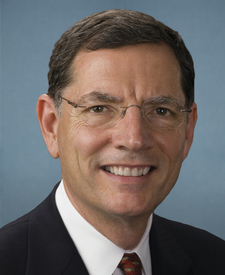
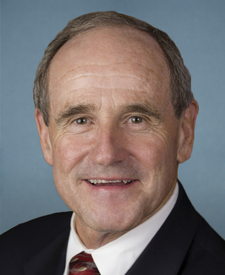
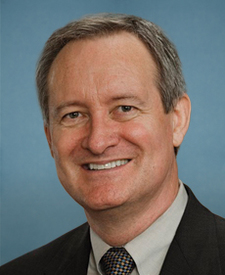
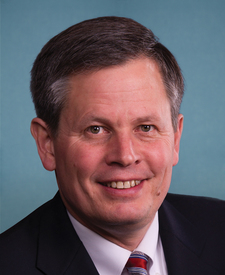
Mr. Barrasso (for himself, Mr. Daines, Ms. Lummis, Mr. Sheehy, …
Read twice and referred to the Committee on Energy and …
Introduced in Senate
Stakeholder Effects
cui bono?How this legislation distributes effects. Mention counts reflect frequency, not effect magnitude.
Bureau of Land Management, Congressional oversight committees, Department of the Interior
Forest Service faces effects in multiple directions
Positive-direction: Congressional oversight committees, Department of the Interior, Indian Tribes
Negative-direction: Bureau of Land Management, Federal land management agencies
Communities in wildland-urban interface, Communities near power lines, General public and oversight groups
Environmental advocacy groups, Environmental litigation groups
Logging and tree removal contractors, Timber and logging companies
AI and quantum computing companies, Private technology companies developing wildfire technologies
Bill Structure & Actor Mappings
Who is "The Secretary" in each section?
- "secretary_concerned"
- → Secretary of Agriculture (for National Forest System land) or Secretary of Interior (for BLM land)
- "secretary_concerned"
- → Secretary of Agriculture (Forest Service) or Secretary of Interior (BLM)
- "secretary_of_agriculture"
- → Secretary of Agriculture, acting through the Chief of the Forest Service
- "secretary"
- → Secretary of Agriculture
- "secretary_concerned"
- → Secretary of Agriculture (Forest Service) or Secretary of Interior (BLM)
- "secretaries"
- → Secretary of Agriculture and Secretary of Interior, acting jointly
- "secretary_concerned"
- → Secretary of Agriculture (Forest Service) or Secretary of Interior (BLM)
Note: 'Secretary concerned' refers to either Secretary of Agriculture or Secretary of Interior depending on whether the land is National Forest System or BLM land
Key Definitions
Terms defined in this bill
Land of the National Forest System; and public lands administered by the Secretary of the Interior through the Bureau of Land Management
Any vegetation management activity to reduce the risk of wildfire, including mechanical treatments and prescribed burning (excludes awarding contracts)
Secretary of Agriculture (through Forest Service Chief) for National Forest System land; Secretary of Interior (through BLM Director) for BLM land
As defined in section 101 of the Healthy Forests Restoration Act of 2003
A standing tree presenting visible hazard to people or property due to deterioration, damage, direction or lean; highly likely to fail and cause injury; within 300 feet of certain roads, along trails, or in developed recreation sites
We use a combination of our own taxonomy and classification in addition to large language models to assess meaning and potential beneficiaries. High confidence means strong textual evidence. Always verify with the original bill text.
Learn more about our methodology