To reauthorize the Project Safe Neighborhoods Grant Program Authorization Act of 2018, and for other purposes.
Analysis under review: This bill has generated analysis that may be too generic or incomplete. Clause-level evidence remains available below.
Summary
What This Bill Does
This bill reauthorizes the Project Safe Neighborhoods (PSN) program, a federal-state-local law enforcement collaboration that operates in all 94 federal judicial districts to reduce violent crime. It extends funding through FY2028 and expands what grants can be used for, including hiring crime analysts, paying overtime for officers and prosecutors, purchasing crime-fighting technology, and supporting multi-jurisdictional task forces.
Who Benefits and How
State and local law enforcement agencies benefit from continued grant funding and expanded eligible uses. Crime analysts and law enforcement assistants gain formal recognition and funding eligibility. Communities benefit from sustained violent crime reduction efforts.
Who Bears the Burden and How
Federal taxpayers fund the reauthorized program. The Attorney General must submit annual transparency reports to Congress detailing spending, community outreach, and violent crime statistics for each area receiving funds.
Key Provisions
- Reauthorizes PSN through FY2024-2028
- Defines "crime analyst" and "law enforcement assistant" for grant eligibility
- Adds eligible uses: crime analysts, overtime costs, technology purchases
- Adds support for multi-jurisdictional task forces (named for Officers Ella French and Jim Smith)
- Requires annual Attorney General reports on spending and violent crime statistics
Evidence Chain:
This summary is generated from the full bill text using AI analysis. Expand "Detailed Analysis" below for identified beneficiaries/burden bearers.
At a Glance
What This Bill Does
Reauthorizes and expands the Project Safe Neighborhoods (PSN) grant program through 2028, adding new eligible uses including crime analysts, law enforcement overtime, technology purchases, and multi-jurisdictional task forces.
Who Benefits
- State and local law enforcement
- Crime analysts
- Prosecutors
Who Bears Costs
- Federal taxpayers
- Attorney General (reporting)
- DOJ grant administration
Key Policy Areas
Criminal Justice, Law Enforcement, Federal Grants, Violent Crime
Primary Purpose
Reauthorizes and expands the Project Safe Neighborhoods (PSN) grant program through 2028, adding new eligible uses including crime analysts, law enforcement overtime, technology purchases, and multi-jurisdictional task forces.
Policy Domains
Legislative Strategy
"Program reauthorization with expanded eligible uses and transparency requirements"
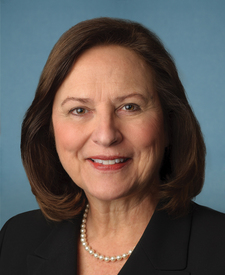
Sponsors
Legislative Progress
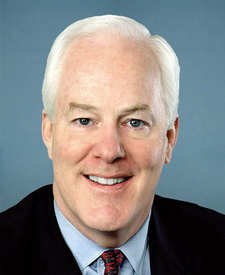
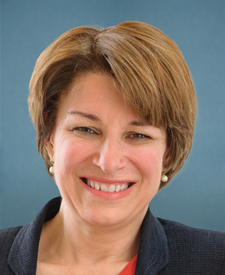
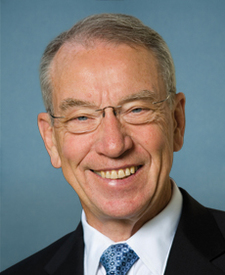
Passed SenateMr. Cornyn (for himself, Mr. Peters, Mr. Grassley, Ms. Sinema, …
Mr. Cornyn (for himself, Mr. Peters, Mr. Grassley, Ms. Sinema, …
Passed Senate (inferred from es version)
Stakeholder Effects
cui bono?How this legislation distributes effects. Mention counts reflect frequency, not effect magnitude.
Crime analysts, Multi-jurisdictional law enforcement task forces, State and local law enforcement agencies
Department of Justice, Federal agencies and affected program participants, Federal prosecutors
Positive-direction: Federal agencies and affected program participants, Federal prosecutors
Negative-direction: Department of Justice, US Attorneys offices
Community-based violence prevention organizations
Bill Structure & Actor Mappings
Who is "The Secretary" in each section?
- "attorney_general"
- → Attorney General
Key Definitions
Terms defined in this bill
Individual employed by a law enforcement agency to separate information into key components and contribute to plans to understand, mitigate, and neutralize criminal threats
Individual employed by a law enforcement or prosecuting agency to aid law enforcement officers in investigative or administrative duties
We use a combination of our own taxonomy and classification in addition to large language models to assess meaning and potential beneficiaries. High confidence means strong textual evidence. Always verify with the original bill text.
Learn more about our methodology