Strengthening Child Exploitation Enforcement Act
Summary
What This Bill Does
The Strengthening Child Exploitation Enforcement Act expands federal criminal statutes used in child exploitation cases. It amends kidnapping law to cover obtaining a child by fraud or deception, limits consent defenses for victims under 16, and strengthens offenses involving abusive sexual contact with minors.
The bill also broadens interstate and foreign commerce hooks and conforming provisions so federal prosecutors can charge attempts and related conduct more consistently. The overall effect is to make technical defenses harder and to increase exposure for people accused of child kidnapping, sexual abuse, or exploitation.
Who Benefits and How
Child victims of exploitation, child sexual abuse survivors, federal prosecutors, child-protection investigators, victim advocates, and families of exploited minors benefit from broader charge options and fewer defenses based on consent or technical statutory gaps. Law enforcement agencies gain clearer federal authority for cases involving fraud, deception, attempts, or interstate conduct.
Who Bears the Burden and How
Defendants accused of kidnapping or sexual crimes against minors face broader criminal liability, fewer defenses, and increased sentencing exposure. Federal courts, federal public defenders, probation offices, and federal prisons must apply the revised offense definitions, sentencing consequences, and detention impacts.
Key Provisions
- Expands kidnapping law to include obtaining a child by fraud or deception.
- Bars consent defenses for certain victims under age 16.
- Strengthens abusive-sexual-contact provisions involving minors.
- Covers attempts and related sexual-contact conduct.
- Broadens interstate and foreign commerce jurisdictional hooks.
- Makes conforming amendments to related federal criminal provisions.
Evidence Chain:
This summary is generated from the full bill text using AI analysis. Expand "Detailed Analysis" below for identified beneficiaries/burden bearers with clause-level evidence links.
At a Glance
What This Bill Does
Strengthens federal child exploitation enforcement by expanding kidnapping and sexual-abuse statutes involving minors, limiting consent defenses, and broadening jurisdictional and conforming provisions.
Key Policy Areas
Criminal Justice, Child Protection, Public Safety
Primary Purpose
Strengthens federal child exploitation enforcement by expanding kidnapping and sexual-abuse statutes involving minors, limiting consent defenses, and broadening jurisdictional and conforming provisions.
Policy Domains
Whole bill
Identified Gains
- Department of Justice child exploitation prosecutors
- Federal Bureau of Investigation child exploitation units
- Homeland Security Investigations office
- Child Advocacy Center organizations
- Victim assistance organizations
- State child protection agencies
Identified Costs
- Criminal defendants
- Federal courts
- Federal public defender offices
- Federal probation offices
- Federal prisons
Sponsors

Legislative Progress
Passed SenateHeld at the desk.
Received in the House.
Message on Senate action sent to the House.
Passed Senate without amendment by Unanimous Consent. (text: CR S6843-6844)
Passed/agreed to in Senate: Passed Senate without amendment by Unanimous …
Senate Committee on the Judiciary discharged by Unanimous Consent. (consideration: …
Senate Committee on the Judiciary discharged by Unanimous Consent.
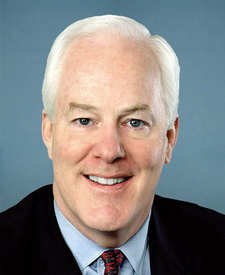
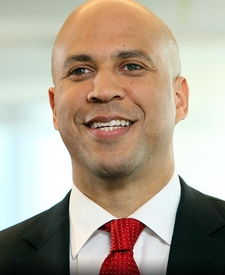
Mr. Cornyn (for himself and Mr. Booker) introduced the following …
Passed Senate (inferred from es version)
Read twice and referred to the Committee on the Judiciary.
Stakeholder Effects
cui bono?How this legislation distributes effects. Mention counts reflect frequency, not effect magnitude.
Federal prisons and contract detention facilities, Sex offender registration system
Perpetrators of kidnapping and sexual crimes against minors
Child victims of exploitation and sexual abuse
Bill Structure & Actor Mappings
Who is "The Secretary" in each section?
We use a combination of our own taxonomy and classification in addition to large language models to assess meaning and potential beneficiaries. High confidence means strong textual evidence. Always verify with the original bill text.
Learn more about our methodology