Sanctioning Russia Act of 2025
Analysis under review: This bill has generated analysis that may be too generic or incomplete. Clause-level evidence remains available below.
Summary
What This Bill Does
This bill creates one of the most comprehensive sanctions regimes ever imposed on a single country, targeting Russia in response to its military aggression against Ukraine. It requires the President to impose sanctions within 15 days of a determination that Russia is not engaging in good faith peace negotiations. The sanctions can only be lifted when Russia verifiably ceases aggression and enters a peace agreement with Ukraine.
Who Benefits and How
- U.S. domestic energy producers benefit from reduced competition as Russian oil, gas, and uranium imports are banned with 500%+ tariffs
- U.S. financial institutions that do not deal with Russia gain competitive advantage as foreign institutions face secondary sanctions
- Ukraine receives continued U.S. security assistance to maintain defensive capabilities
- Western uranium and energy suppliers benefit from the ban on Russian uranium imports
Who Bears the Burden and How
- Russia and Russian government officials face asset freezes, travel bans, and financial isolation
- Russian financial institutions (Central Bank, Sberbank, VTB, Gazprombank) are cut off from U.S. financial system
- Foreign countries purchasing Russian energy face 500%+ tariffs on all their exports to the U.S.
- U.S. businesses that previously traded with Russia must terminate those relationships
- Global financial messaging services (like SWIFT) must cut off sanctioned Russian banks or face sanctions themselves
Key Provisions
- Imposes mandatory sanctions on top Russian officials including Putin, ministers, and military commanders
- Freezes assets and blocks transactions of major Russian banks (Sberbank, VTB, Gazprombank, Central Bank)
- Bans Russian uranium imports and sanctions anyone trading Russian uranium
- Imposes 500%+ tariffs on all Russian goods and on goods from any country that purchases Russian oil/gas/uranium
- Prohibits U.S. investment in Russian energy sector and government-controlled entities
- Forces global financial messaging providers to cut off sanctioned Russian banks
Evidence Chain:
This summary is generated from the full bill text using AI analysis. Expand "Detailed Analysis" below for identified beneficiaries/burden bearers with clause-level evidence links.
At a Glance
What This Bill Does
Imposes comprehensive economic sanctions on Russia, including sanctions on government officials, financial institutions, energy sector, and massive tariffs, to pressure Russia to negotiate peace with Ukraine
Key Policy Areas
Foreign Policy, National Security, Trade, Finance, Energy
Primary Purpose
Imposes comprehensive economic sanctions on Russia, including sanctions on government officials, financial institutions, energy sector, and massive tariffs, to pressure Russia to negotiate peace with Ukraine
Policy Domains
Sanctioning Russia Act of 2025
Identified Gains
- U.S. domestic energy producers
- Western uranium suppliers
- Ukraine
- U.S. financial institutions not dealing with Russia
Identified Costs
- Russian government officials
- Russian financial institutions
- Foreign countries purchasing Russian energy
- U.S. businesses trading with Russia
- Global financial messaging services
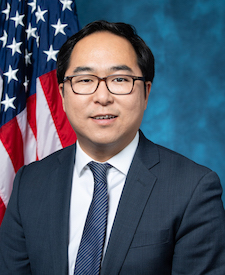
Sponsors
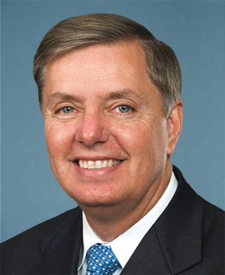
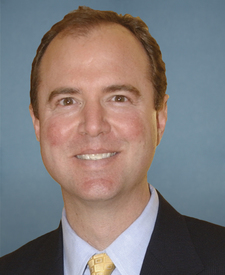
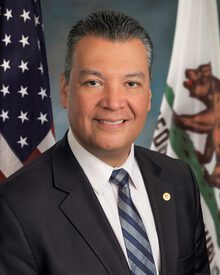
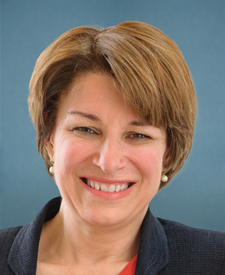
Legislative Progress
In CommitteeMr. Graham (for himself, Mr. Blumenthal, Mr. Sullivan, Mr. Durbin, …
Read twice and referred to the Committee on Banking, Housing, …
Introduced in Senate
Stakeholder Effects
cui bono?How this legislation distributes effects. Mention counts reflect frequency, not effect magnitude.
Foreign financial institutions transacting with Russian banks, Russian state-owned banks (Central Bank, Sberbank, VTB, Gazprombank), Sanctioned Russian financial institutions
Countries purchasing Russian energy (China, India, etc.), Russian Federation, Russian diplomats at UN
Positive-direction: Russian diplomats at UN, U.S. intelligence agencies, Ukraine
Negative-direction: Countries purchasing Russian energy (China, India, etc.), Russian Federation, Russian government officials (President, Prime Minister, Ministers), Russian government-controlled entities, Russian military commanders and personnel
Persons subject to sanctions under sections 5 and 6, Russian persons and entities, U.S. persons and businesses
Foreign persons supporting Russian energy production, Russian energy sector, U.S. domestic energy producers
Positive-direction: U.S. domestic energy producers
Negative-direction: Foreign persons supporting Russian energy production, Russian energy sector, U.S. energy exporters
Russian exporters, U.S. importers from countries buying Russian energy, U.S. importers of Russian goods
Foreign persons trading Russian uranium, Non-Russian uranium suppliers (Canada, Australia, Kazakhstan alternatives), Rosatom and Russian uranium producers
Positive-direction: Non-Russian uranium suppliers (Canada, Australia, Kazakhstan alternatives)
Negative-direction: Foreign persons trading Russian uranium, Rosatom and Russian uranium producers
U.S. consumers, U.S. consumers of goods with Russian alternatives
Directors, officers, shareholders of messaging services, Global financial messaging services (SWIFT and similar)
Bill Structure & Actor Mappings
Who is "The Secretary" in each section?
- "ustr"
- → United States Trade Representative
- "the_president"
- → President of the United States
- "the_secretary_of_state"
- → Secretary of State
- "the_secretary_of_commerce"
- → Secretary of Commerce
- "the_secretary_of_treasury"
- → Secretary of the Treasury
Key Definitions
Terms defined in this bill
Includes Aerospace Forces, Airborne Forces, Ground Forces, Navy, Special Operations Command, Strategic Rocket Forces, General Staff, Main Directorate of General Staff, and any successor entities or proxies
A citizen or national of Russia, or an entity organized under Russian laws or subject to Russian government jurisdiction
A determination by the President as described in section 4 (that Russia is not engaging in good faith peace negotiations)
Systems and assets vital to Ukraine whose incapacity would have catastrophic effects on public health, safety, economic security, or national security
Any financial institution that is a U.S. person, including investment companies, private equity, venture capital, and hedge funds
We use a combination of our own taxonomy and classification in addition to large language models to assess meaning and potential beneficiaries. High confidence means strong textual evidence. Always verify with the original bill text.
Learn more about our methodology