To amend the Peace Corps Act by reauthorizing the Peace Corps, providing better support for current, returning, and former volunteers, and for other purposes.
Summary
What This Bill Does
The bill authorizes $410.5 million annually for fiscal years 2024-2028 for Peace Corps operations and extends the obligation period for appropriated funds, requires the Peace Corps Director to establish processes for the safe return to service of volunteers whose service was interrupted by catastrophic events or global emergencies, with streamlined reapplication, and expands and codifies health care benefits for Peace Corps volunteers during service, applicants during preparation, and returned volunteers for 6 months post-service, including mental health services. It relies on compliance mandates, reporting requirements, exemptions, and appropriations. The main policy areas are International Affairs, Social Welfare, and Foreign Policy.
Who Benefits and How
Returned Peace Corps volunteers (post-April 2020) could face fewer barriers, Peace Corps volunteers reporting misconduct could face reduced risk, and Peace Corps volunteers and applicants could see lower costs.
Who Bears the Burden and How
Peace Corps agency would take on compliance duties, Peace Corps volunteers and trainees would take on compliance duties, and Peace Corps employees could face increased risk.
Key Provisions
- Authorizes $410.5 million annually for fiscal years 2024-2028 for Peace Corps operations and extends the obligation period for appropriated funds.
- Requires the Peace Corps Director to establish processes for the safe return to service of volunteers whose service was interrupted by catastrophic events or global emergencies, with streamlined reapplication...
- Expands and codifies health care benefits for Peace Corps volunteers during service, applicants during preparation, and returned volunteers for 6 months post-service, including mental health services.
- Requires the Peace Corps Director to consult with CDC on malaria prophylaxis, train medical officers on medication side effects, and establish a policy ensuring volunteer access to hygiene products.
- Exempts extends noncompetitive federal hiring eligibility to returned volunteers whose service was terminated after April 1, 2020, allowing appointment within 2-3 years without competitive examination.
Evidence Chain:
This summary is generated from the full bill text using AI analysis. Expand "Detailed Analysis" below for identified beneficiaries/burden bearers with clause-level evidence links.
At a Glance
What This Bill Does
The bill authorizes $410.5 million annually for fiscal years 2024-2028 for Peace Corps operations and extends the obligation period for appropriated funds, requires the Peace Corps Director to establish processes for the safe return to service of volunteers whose service was interrupted by catastrophic events or global emergencies, with streamlined reapplication, and expands and codifies health care benefits for Peace Corps volunteers during service, applicants during preparation, and returned volunteers for 6 months post-service, including mental health services.
Key Policy Areas
International Affairs, Social Welfare, Foreign Policy
Primary Purpose
The bill authorizes $410.5 million annually for fiscal years 2024-2028 for Peace Corps operations and extends the obligation period for appropriated funds, requires the Peace Corps Director to establish processes for the safe return to service of volunteers whose service was interrupted by catastrophic events or global emergencies, with streamlined reapplication, and expands and codifies health care benefits for Peace Corps volunteers during service, applicants during preparation, and returned volunteers for 6 months post-service, including mental health services.
Policy Domains
Whole bill
Identified Gains
- Returned Peace Corps volunteers (post-April 2020)
- Peace Corps volunteers reporting misconduct
- Peace Corps volunteers and applicants
- Peace Corps agency
- Peace Corps volunteers in malaria-endemic countries
Identified Costs
- Peace Corps agency
- Peace Corps volunteers and trainees
- Peace Corps employees
- Peace Corps agency and supervisory staff
- Sexual Assault Advisory Council
Sponsors


Legislative Progress
ReportedReported by Mr. Menendez, without amendment
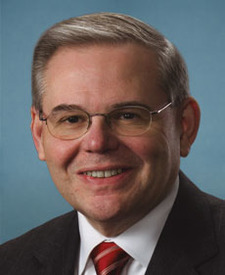
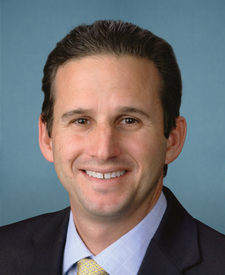
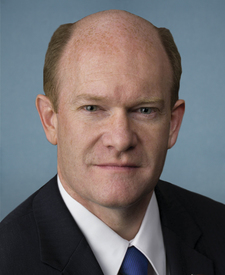
Mr. Menendez (for himself, Mr. Risch, Mr. Cardin, Mr. Crapo, …
Mr. Menendez (for himself, Mr. Risch, Mr. Cardin, Mr. Crapo, …
Stakeholder Effects
cui bono?How this legislation distributes effects. Mention counts reflect frequency, not effect magnitude.
Congressional oversight committees, Peace Corps Act (statutory text), Peace Corps agency
Peace Corps agency faces effects in multiple directions
Positive-direction: Congressional oversight committees, Peace Corps agency (management)
Negative-direction: Peace Corps agency and supervisory staff, Peace Corps employees, Sexual Assault Advisory Council, State Department Bureau of Diplomatic Security
Peace Corps volunteers, Peace Corps volunteers (safety), Peace Corps volunteers abroad
Positive-direction: Peace Corps volunteers, Peace Corps volunteers (safety), Peace Corps volunteers abroad, Peace Corps volunteers and applicants, Peace Corps volunteers evacuated due to emergencies, Peace Corps volunteers in malaria-endemic countries, Peace Corps volunteers reporting misconduct, Returned Peace Corps volunteers (post-April 2020), Underrepresented and marginalized communities
Negative-direction: Peace Corps volunteers and trainees
Health care providers serving Peace Corps, Peace Corps medical officers
Positive-direction: Health care providers serving Peace Corps
Negative-direction: Peace Corps medical officers
Indo-Pacific Oceania countries and communities
Bill Structure & Actor Mappings
Who is "The Secretary" in each section?
We use a combination of our own taxonomy and classification in addition to large language models to assess meaning and potential beneficiaries. High confidence means strong textual evidence. Always verify with the original bill text.
Learn more about our methodology