To establish the Law Enforcement Mental Health and Wellness Program, and for other purposes.
Analysis under review: This bill has generated analysis that may be too generic or incomplete. Clause-level evidence remains available below.
Summary
What This Bill Does
This bill creates a new Law Enforcement Mental Health and Wellness Program within the Department of Homeland Security. The program aims to prevent suicides and improve mental health support for federal law enforcement officers at agencies like CBP, ICE, Coast Guard, Secret Service, and TSA. It mandates peer support programs, mental health training, data collection on suicides, and protections for officers who seek mental health assistance.
Who Benefits and How
DHS law enforcement officers and agents are the primary beneficiaries. They gain access to comprehensive mental health resources, peer support networks, and suicide prevention training. The bill protects officers from adverse employment actions for seeking counseling. Families of law enforcement personnel also benefit through training and support services, including help for surviving families of officers who died by suicide.
Who Bears the Burden and How
DHS and its component agencies bear administrative and compliance burdens. They must establish new programs, hire staff, develop policies within 180 days, conduct annual surveys, and provide regular briefings to Congress through fiscal year 2027. The Chief Medical Officer and Workplace Health and Wellness Coordinator take on new oversight responsibilities. Contractors may be utilized, creating potential costs for external mental health services.
Key Provisions
- Creates Law Enforcement Mental Health and Wellness Program under DHS Chief Medical Officer
- Establishes Peer-to-Peer Support Program Advisory Council with representatives from each DHS component
- Requires mandatory suicide awareness and resiliency training for all law enforcement officers
- Protects employees from adverse action for seeking mental health assistance
- Mandates annual confidential surveys and data collection on suicides and attempted suicides
Evidence Chain:
This summary is generated from the full bill text using AI analysis. Expand "Detailed Analysis" below for identified beneficiaries/burden bearers with clause-level evidence links.
At a Glance
What This Bill Does
Establishes a comprehensive Law Enforcement Mental Health and Wellness Program within the Department of Homeland Security to address suicide prevention and resiliency for DHS law enforcement officers and agents.
Key Policy Areas
Government Operations, Public Safety, Mental Health, Federal Employment
Primary Purpose
Establishes a comprehensive Law Enforcement Mental Health and Wellness Program within the Department of Homeland Security to address suicide prevention and resiliency for DHS law enforcement officers and agents.
Policy Domains
DHS Suicide Prevention and Resiliency for Law Enforcement Act
Identified Gains
- DHS law enforcement officers and agents
- Families of DHS law enforcement personnel
- Mental health service providers
- Faith-based and community organizations
Identified Costs
- Department of Homeland Security
- DHS component agency leadership
- Chief Medical Officer of DHS
Sponsors
Legislative Progress
ReportedReported by Mr. Peters, with an amendment
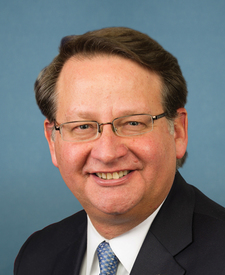
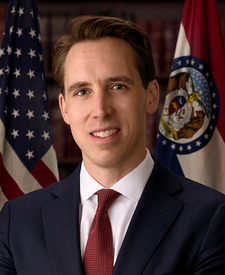
Mr. Peters (for himself and Mr. Hawley) introduced the following …
Stakeholder Effects
cui bono?How this legislation distributes effects. Mention counts reflect frequency, not effect magnitude.
All DHS employees (non-law-enforcement), Chief Medical Officer of DHS, DHS component agency heads
Positive-direction: All DHS employees (non-law-enforcement), DHS law enforcement officers and agents, DHS law enforcement officers seeking mental health assistance
Negative-direction: Chief Medical Officer of DHS, DHS component agency heads, Department of Homeland Security
Counseling program providers, Licensed mental health clinicians, Mental health service providers
Faith-based mental health organizations, Faith-based organizations providing mental health services
Community-based mental health organizations, Peer support personnel and chaplains
Families of DHS law enforcement personnel, Surviving families of officers who died by suicide
Bill Structure & Actor Mappings
Who is "The Secretary" in each section?
- "the_secretary"
- → Secretary of Homeland Security
- "chief_medical_officer"
- → Chief Medical Officer of the Department of Homeland Security
- "workplace_coordinator"
- → Workplace Health and Wellness Coordinator of DHS
Key Definitions
Terms defined in this bill
U.S. Customs and Border Protection; U.S. Immigration and Customs Enforcement; the Office of the Inspector General of DHS; the United States Coast Guard; the United States Secret Service; the Transportation Security Administration; and any other DHS component or office with law enforcement officers or agents.
The Law Enforcement Mental Health and Wellness Program established pursuant to subsection (b).
We use a combination of our own taxonomy and classification in addition to large language models to assess meaning and potential beneficiaries. High confidence means strong textual evidence. Always verify with the original bill text.
Learn more about our methodology