To ensure computer programming, coding, and artificial intelligence capabilities in the Armed Forces, and for other purposes.
Summary
What This Bill Does
The bill requires definitions In this Act: The term computer programming occupational area means a technical or nontechnical occupational position that supports computer programming, coding, and artificial intelligence, provides infrastructure for computer programming skills Congress makes the following findings: To ensure a competitive edge over adversaries of the United States, the United States Armed Forces must attract, build, and requires reserve component computer programming skills Congress makes the following findings: The reserve components provide critical capabilities to the Department of Defense to augment and enhance the active. It relies on reporting requirements, compliance mandates, product standards, and definition changes. The main policy areas are Education, Environment, Housing, and Defense.
Who Benefits and How
Environmental and public health interests affected by the bill could face lower compliance burdens, Researchers and scientific institutions affected by the bill could gain revenue opportunities, and National security and critical infrastructure stakeholders affected by the bill could gain revenue opportunities.
Who Bears the Burden and How
Federal, state, or local agencies responsible for implementing the clause would take on compliance duties, Homeowners, tenants, or housing market participants affected by the bill would take on compliance duties, and Environmental and public health interests affected by the bill would take on compliance duties.
Key Provisions
- Requires definitions In this Act: The term computer programming occupational area means a technical or nontechnical occupational position that supports computer programming, coding, and artificial intelligence...
- Provides infrastructure for computer programming skills Congress makes the following findings: To ensure a competitive edge over adversaries of the United States, the United States Armed Forces must attract, build...
- Requires reserve component computer programming skills Congress makes the following findings: The reserve components provide critical capabilities to the Department of Defense to augment and enhance the active...
Evidence Chain:
This summary is generated from the full bill text using AI analysis. Expand "Detailed Analysis" below for identified beneficiaries/burden bearers with clause-level evidence links.
At a Glance
What This Bill Does
The bill requires definitions In this Act: The term computer programming occupational area means a technical or nontechnical occupational position that supports computer programming, coding, and artificial intelligence, provides infrastructure for computer programming skills Congress makes the following findings: To ensure a competitive edge over adversaries of the United States, the United States Armed Forces must attract, build, and requires reserve component computer programming skills Congress makes the following findings: The reserve components provide critical capabilities to the Department of Defense to augment and enhance the active.
Key Policy Areas
Education, Environment, Housing, Defense
Primary Purpose
The bill requires definitions In this Act: The term computer programming occupational area means a technical or nontechnical occupational position that supports computer programming, coding, and artificial intelligence, provides infrastructure for computer programming skills Congress makes the following findings: To ensure a competitive edge over adversaries of the United States, the United States Armed Forces must attract, build, and requires reserve component computer programming skills Congress makes the following findings: The reserve components provide critical capabilities to the Department of Defense to augment and enhance the active.
Policy Domains
Whole bill
Identified Gains
- Environmental and public health interests affected by the bill
- Researchers and scientific institutions affected by the bill
- National security and critical infrastructure stakeholders affected by the bill
- Homeowners, tenants, or housing market participants affected by the bill
- Educational institutions and students affected by the bill
Identified Costs
- Federal, state, or local agencies responsible for implementing the clause
- Homeowners, tenants, or housing market participants affected by the bill
- Environmental and public health interests affected by the bill
- Public beneficiaries or protected communities affected by the clause
Legislative Progress
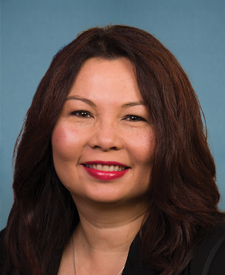
IntroducedMs. Duckworth introduced the following bill; which was read twice …
Impact analysis is available but no clear stakeholder effects identified. View clause-level analysis →
Bill Structure & Actor Mappings
Who is "The Secretary" in each section?
We use a combination of our own taxonomy and classification in addition to large language models to assess meaning and potential beneficiaries. High confidence means strong textual evidence. Always verify with the original bill text.
Learn more about our methodology