To require each agency, in providing notice of a rulemaking, to include a link to a 100-word plain language summary of the proposed rule.
Sponsors

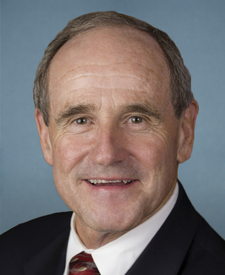

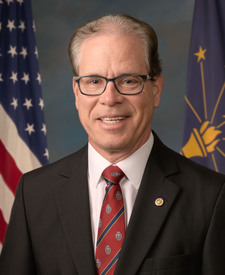

Legislative Progress
Enrolled (Passed Congress)Mr. Lankford (for himself, Ms. Sinema, Mr. Johnson, Mr. Risch, …
Mr. Lankford (for himself, Ms. Sinema, Mr. Johnson, Mr. Risch, …
Mr. Lankford (for himself, Ms. Sinema, Mr. Johnson, Mr. Risch, …
Mr. Lankford (for himself, Ms. Sinema, Mr. Johnson, Mr. Risch, …
Mr. Lankford (for himself, Ms. Sinema, Mr. Johnson, Mr. Risch, …
Mr. Lankford (for himself, Ms. Sinema, Mr. Johnson, Mr. Risch, …
Mr. Lankford (for himself, Ms. Sinema, Mr. Johnson, Mr. Risch, …
Mr. Lankford (for himself, Ms. Sinema, Mr. Johnson, Mr. Risch, …
Passed Senate (inferred from es version)
Passed House (inferred from enr version)
Summary
What This Bill Does
This bill requires every federal agency, when proposing a new regulation, to post a plain language summary of 100 words or less on regulations.gov and include a link to that summary in the official notice.
Who Benefits and How
- General public can more easily understand proposed regulations
- Small businesses benefit from accessible regulatory summaries
- Civic participation is enhanced by reducing complexity barriers
- Regulated entities can quickly grasp rule proposals
Who Bears the Burden and How
- Federal agencies must write 100-word plain language summaries for all proposed rules
- Minor administrative burden on rulemaking process
Key Provisions
- Mandates 100-word maximum plain language summaries
- Summaries must be posted on regulations.gov
- Notice of proposed rulemaking must include URL to summary
- Amends Administrative Procedure Act section 553(b)
Evidence Chain:
This summary is derived from the structured analysis below. See "Detailed Analysis" for per-title beneficiaries/burden bearers with clause-level evidence links.
Primary Purpose
Requires federal agencies to include a link to a 100-word plain language summary when proposing new rules.
Policy Domains
Legislative Strategy
"Improve public access to understanding proposed regulations"
Bill Structure & Actor Mappings
Who is "The Secretary" in each section?
We use a combination of our own taxonomy and classification in addition to large language models to assess meaning and potential beneficiaries. High confidence means strong textual evidence. Always verify with the original bill text.
Learn more about our methodology