To incentivize States and localities to improve access to justice, and for other purposes.
Analysis under review: This bill has generated analysis that may be too generic or incomplete. Clause-level evidence remains available below.
Summary
What This Bill Does
This bill, To incentivize States and localities to improve access to justice, and for other purposes., changes federal law or congressional policy affecting law enforcement, courts, victims, and regulated public-safety actors. The main policy domain is Criminal Justice, Civil Rights, Education.
Who Benefits and How
law enforcement, courts, victims, and regulated public-safety actors may benefit from new authority, funding, eligibility, regulatory clarity, or reduced risk created by the bill.
Who Bears the Burden and How
federal implementing agencies, law enforcement, courts, victims, and regulated public-safety actors may take on implementation duties, reporting obligations, compliance costs, or oversight responsibilities.
Key Provisions
- Section S1: 1. Short title This Act may be cited as the Providing a Quality Defense Act of 2025 or the Quality Defense Act of 2025.
- Section id872C8DC1D279448A964C081A6FD0EE6C: 2. Purposes The purposes of this Act are— to protect the constitutional rights to due process and a fair criminal prosecution under the Fifth, Sixth, and...
- Section idB91A86C39FB3439C96F662C85CA0B02D: 3. Definitions In this Act, except as otherwise provided in section 7: The term applicable public defender's office, with respect to an eligible entity that...
- Section id3713301272194932800F136978E3AA48: 4. Public defense grant program The Attorney General may award a grant to an eligible entity to— develop, implement, and update a data collection process under...
- Section id8f268f7fcf2d43ee8e124d76345a73a6: 5. Studies After the end of the first fiscal year for which data grants are awarded, the Attorney General, acting through the Director of the Bureau of Justice...
Evidence Chain:
This summary is generated from the full bill text using AI analysis. Expand "Detailed Analysis" below for identified beneficiaries/burden bearers with clause-level evidence links.
At a Glance
What This Bill Does
This bill, To incentivize States and localities to improve access to justice, and for other purposes., changes federal law or congressional policy affecting law enforcement, courts, victims, and regulated public-safety actors.
Key Policy Areas
Criminal Justice, Civil Rights, Education
Primary Purpose
This bill, To incentivize States and localities to improve access to justice, and for other purposes., changes federal law or congressional policy affecting law enforcement, courts, victims, and regulated public-safety actors.
Policy Domains
Whole bill
Identified Gains
- law enforcement, courts, victims, and regulated public-safety actors
Identified Costs
- federal implementing agencies
- law enforcement, courts, victims, and regulated public-safety actors
Sponsors
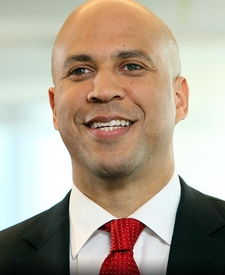
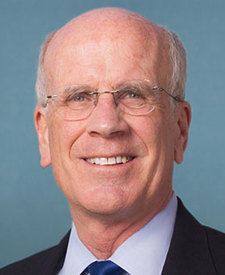

Legislative Progress
IntroducedMr. Booker (for himself, Mr. Durbin, and Mr. Welch) introduced …
Impact analysis is available but no clear stakeholder effects identified. View clause-level analysis →
Bill Structure & Actor Mappings
Who is "The Secretary" in each section?
- "federal_implementing_agencies"
- → Federal agencies assigned duties by the bill
Key Definitions
Terms defined in this bill
an entity that is— an organization— described in paragraph (3) or (6) of section 501(c) of the Internal Revenue Code of 1986 and exempt from taxation under section 501(a) of such Code
the manner in which the case concludes, including by— dismissal by the prosecutor
We use a combination of our own taxonomy and classification in addition to large language models to assess meaning and potential beneficiaries. High confidence means strong textual evidence. Always verify with the original bill text.
Learn more about our methodology