To amend the Omnibus Crime Control and Safe Streets Act of 1968 to establish a grant program for law enforcement agencies, and for other purposes.
Analysis under review: This bill has generated analysis that may be too generic or incomplete. Clause-level evidence remains available below.
Summary
What This Bill Does
This bill, To amend the Omnibus Crime Control and Safe Streets Act of 1968 to establish a grant program for law enforcement agencies, and for other purposes., changes federal law or congressional policy affecting law enforcement, courts, victims, and regulated public-safety actors. The main policy domain is Criminal Justice, Transportation, Immigration.
Who Benefits and How
law enforcement, courts, victims, and regulated public-safety actors may benefit from new authority, funding, eligibility, regulatory clarity, or reduced risk created by the bill.
Who Bears the Burden and How
federal implementing agencies, law enforcement, courts, victims, and regulated public-safety actors may take on implementation duties, reporting obligations, compliance costs, or oversight responsibilities.
Key Provisions
- Section S1: 1. Short title This Act may be cited as the Restoring Law and Order Act of 2025.
- Section id73729541C560413A9FDD29B581C5A69A: 2. Grant program Title I of the Omnibus Crime Control and Safe Streets Act of 1968 (34 U.S.C. 10101 et seq.) is amended by adding at the end the following: In...
- Section id78FB77A33ED84AF1A0F2AFF9D8A3179B: 3061. Eligible entity defined In this part, the term eligible entity means an agency of a State, unit of local government, or Indian Tribe that is authorized...
- Section idF0BCC62F29344A228D0181FE9EE3E26A: 3062. Establishment of make America safe again grant program The Attorney General shall award grants to eligible entities to— hire and retain law enforcement...
- Section id0c50a9a9d2424433bf847d3e25ab7b65: 3063. Administrative provisions The Attorney General may promulgate guidelines, regulations, and procedures to carry out this part, including guidelines,...
Evidence Chain:
This summary is generated from the full bill text using AI analysis. Expand "Detailed Analysis" below for identified beneficiaries/burden bearers with clause-level evidence links.
At a Glance
What This Bill Does
This bill, To amend the Omnibus Crime Control and Safe Streets Act of 1968 to establish a grant program for law enforcement agencies, and for other purposes., changes federal law or congressional policy affecting law enforcement, courts, victims, and regulated public-safety actors.
Key Policy Areas
Criminal Justice, Transportation, Immigration
Primary Purpose
This bill, To amend the Omnibus Crime Control and Safe Streets Act of 1968 to establish a grant program for law enforcement agencies, and for other purposes., changes federal law or congressional policy affecting law enforcement, courts, victims, and regulated public-safety actors.
Policy Domains
Whole bill
Identified Gains
- law enforcement, courts, victims, and regulated public-safety actors
Identified Costs
- federal implementing agencies
- law enforcement, courts, victims, and regulated public-safety actors
Sponsors

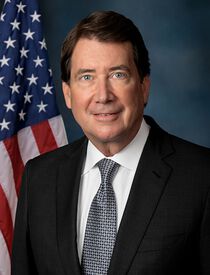

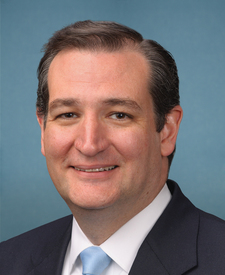
Legislative Progress
IntroducedMrs. Blackburn (for herself, Mr. Hagerty, Mr. Cruz, and Mr. …
Impact analysis is available but no clear stakeholder effects identified. View clause-level analysis →
Bill Structure & Actor Mappings
Who is "The Secretary" in each section?
- "federal_implementing_agencies"
- → Federal agencies assigned duties by the bill
We use a combination of our own taxonomy and classification in addition to large language models to assess meaning and potential beneficiaries. High confidence means strong textual evidence. Always verify with the original bill text.
Learn more about our methodology