To amend title 5 and title 38, United States Code, to put veteran and military families first and to provide protections for employees, benefits, and programs of the Department of Veterans Affairs, and for other purposes.
Summary
What This Bill Does
The bill defines definitions Act, requires protection for members of the military community who were Federal employees, and requires mandatory reporting on veteran hiring and retention. It relies on reporting requirements, compliance mandates, appropriations, and definition changes. The main policy areas are Labor, Veterans Affairs, Defense, and Finance.
Who Benefits and How
Veterans, military spouses, caregivers, survivors, members of a reserve component could gain revenue opportunities and Employees in the civil service with deferred resignation commitments could see lower costs.
Who Bears the Burden and How
Department of Veterans Affairs could face higher barriers, Under Secretary for Benefits would take on compliance duties, and Individuals accessing Department of Veterans Affairs systems would take on compliance duties.
Key Provisions
- Defines definitions Act.
- Requires protection for members of the military community who were Federal employees.
- Requires mandatory reporting on veteran hiring and retention.
- Provides comptroller General report on military community employment.
- Requires hiring freeze limitations at Department of Veterans Affairs.
Evidence Chain:
This summary is generated from the full bill text using AI analysis. Expand "Detailed Analysis" below for identified beneficiaries/burden bearers with clause-level evidence links.
At a Glance
What This Bill Does
The bill defines definitions Act, requires protection for members of the military community who were Federal employees, and requires mandatory reporting on veteran hiring and retention.
Key Policy Areas
Labor, Veterans Affairs, Defense, Finance
Primary Purpose
The bill defines definitions Act, requires protection for members of the military community who were Federal employees, and requires mandatory reporting on veteran hiring and retention.
Policy Domains
Whole bill
Identified Gains
- Veterans, military spouses, caregivers, survivors, members of a reserve component
- Employees in the civil service with deferred resignation commitments
Identified Costs
- Department of Veterans Affairs
- Under Secretary for Benefits
- Individuals accessing Department of Veterans Affairs systems
- Veterans, military spouses, caregivers, survivors, or members of a reserve component in the civil service
- Veterans Affairs Department
Sponsors


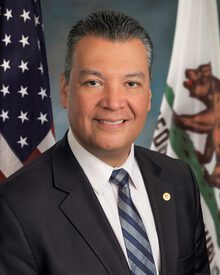

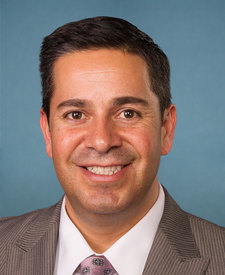
Legislative Progress
IntroducedMr. Blumenthal (for himself, Mr. Sanders, Ms. Duckworth, Mrs. Gillibrand, …
Stakeholder Effects
cui bono?How this legislation distributes effects. Mention counts reflect frequency, not effect magnitude.
Department of Veterans Affairs, VA Department, Veterans Affairs Department
Department of Veterans Affairs faces effects in multiple directions
Positive-direction: Veterans Affairs Department
Negative-direction: VA Department
Department of Veterans Affairs Research Employees, Department of Veterans Affairs personnel, Federal Government agencies
Department of Veterans Affairs employees subject to reduction in force, Employees in the civil service with deferred resignation commitments
Positive-direction: Employees in the civil service with deferred resignation commitments
Negative-direction: Department of Veterans Affairs employees subject to reduction in force
Veterans, military spouses, caregivers, survivors, members of a reserve component
Veterans, military spouses, caregivers, survivors, or members of a reserve component in the civil service
Bill Structure & Actor Mappings
Who is "The Secretary" in each section?
- "the_secretary"
- → The Secretary identified in the operative section
Key Definitions
Terms defined in this bill
the termination by the Secretary of Veterans Affairs of— five or more contracts in a single business day
a person who served on active duty as a member of the armed forces, regardless of length of service, and who was discharged or released therefrom. The term veteran does not include a person who— received a dishonorable discharge from the Armed Forces
We use a combination of our own taxonomy and classification in addition to large language models to assess meaning and potential beneficiaries. High confidence means strong textual evidence. Always verify with the original bill text.
Learn more about our methodology