To enhance the consideration of human rights in arms exports.
Analysis under review: This bill has generated analysis that may be too generic or incomplete. Clause-level evidence remains available below.
Summary
What This Bill Does
This bill strengthens human rights conditions on U.S. arms sales to foreign countries. It prohibits weapons exports to governments committing genocide or war crimes and requires the State Department to consider human rights records when approving arms deals. The bill also enhances congressional oversight and monitoring of how exported weapons are used.
Who Benefits and How
Human rights organizations and advocacy groups gain stronger legal frameworks to challenge questionable arms sales. Congressional oversight committees receive expanded authority to review and disapprove arms exports regardless of monetary value. The State Department Bureau of Democracy, Human Rights, and Labor gains a required role in all arms export decisions.
Who Bears the Burden and How
Defense contractors and weapons manufacturers face potential revenue losses from prohibited sales to countries with poor human rights records. Foreign governments with questionable human rights records lose access to U.S. military equipment. The State Department faces increased compliance and monitoring requirements including mandatory end-use tracking and annual reporting.
Key Provisions
- Prohibits arms sales to countries committing genocide or war crimes (Section 3)
- Requires human rights risk assessments for all major weapons exports (Section 9)
- Mandates certain weapons categories be sold only through Foreign Military Sales with congressional review (Section 10)
- Extends Leahy Law restrictions to cover all arms exports, not just foreign assistance (Section 7)
Evidence Chain:
This summary is generated from the full bill text using AI analysis. Expand "Detailed Analysis" below for identified beneficiaries/burden bearers with clause-level evidence links.
At a Glance
What This Bill Does
Establishes human rights and humanitarian law conditions on US arms exports, requiring enhanced oversight and prohibiting sales to countries committing genocide or war crimes
Key Policy Areas
Foreign Affairs, Defense, Human Rights, International Trade
Primary Purpose
Establishes human rights and humanitarian law conditions on US arms exports, requiring enhanced oversight and prohibiting sales to countries committing genocide or war crimes
Policy Domains
SAFEGUARD Act of 2023
Identified Gains
- Human rights advocacy organizations
- Congressional oversight committees
- State Department Bureau of Democracy, Human Rights, and Labor
Identified Costs
- Defense contractors and arms manufacturers
- Foreign governments with poor human rights records
- State Department compliance offices
Sponsors


Legislative Progress
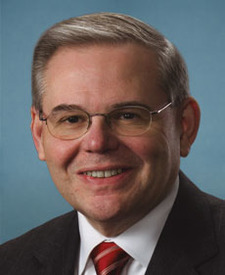
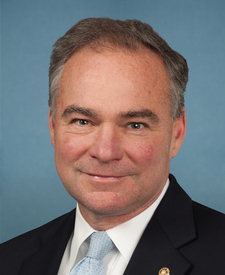
IntroducedMr. Menendez (for himself, Mrs. Feinstein, Mr. Kaine, Mrs. Murray, …
Stakeholder Effects
cui bono?How this legislation distributes effects. Mention counts reflect frequency, not effect magnitude.
Defense contractors, Defense contractors currently using Direct Commercial Sales for covered weapons, Defense contractors exporting to countries with poor human rights records
Congressional foreign affairs and appropriations committees, Congressional oversight committees, State Department Bureau of Democracy, Human Rights, and Labor
Positive-direction: Congressional foreign affairs and appropriations committees, Congressional oversight committees
Negative-direction: State Department Inspector General, State Department arms export reporting offices, State Department end-use monitoring program, State Department offices administering arms exports
Foreign governments purchasing US weapons, Foreign governments using US defense articles, Foreign governments with military coups or human rights violations
Bill Structure & Actor Mappings
Who is "The Secretary" in each section?
- "the_president"
- → President of the United States
- "the_secretary"
- → Secretary of State
- "appropriate_congressional_committees"
- → Senate Foreign Relations, Senate Appropriations, House Foreign Affairs, House Appropriations
Key Definitions
Terms defined in this bill
Committee on Foreign Relations and Committee on Appropriations of the Senate; Committee on Foreign Affairs and Committee on Appropriations of the House
Same meanings as section 47 of the Arms Export Control Act (22 U.S.C. 2794)
We use a combination of our own taxonomy and classification in addition to large language models to assess meaning and potential beneficiaries. High confidence means strong textual evidence. Always verify with the original bill text.
Learn more about our methodology