Expressing the sense of the House of Representatives that illicit fentanyl-related substances are a weapon of mass destruction and should be classified as such, and recognizing President Trump's efforts to mitigate illicit narcotics from entering the United States through such actions as signing an Executive Order "Designating Fentanyl as a Weapon of Mass Destruction" and declaring the crisis caused by the rise of fentanyl a national health emergency.
Analysis under review: This bill has generated analysis that may be too generic or incomplete. Clause-level evidence remains available below.
Summary
What This Bill Does
The bill defines non-binding resolution calling for the President to classify synthetic illicit fentanyl-related substances as a weapon of mass destruction and permanently place them in Schedule I under the Controlled Substances. It relies on definition changes. The main policy areas are Criminal Justice, Healthcare, and Trade.
Who Benefits and How
The available clause analysis does not identify a specific beneficiary group.
Who Bears the Burden and How
Illicit fentanyl manufacturers and trafficking organizations could face increased risk.
Key Provisions
- Defines non-binding resolution calling for the President to classify synthetic illicit fentanyl-related substances as a weapon of mass destruction and permanently place them in Schedule I under the Controlled Substances...
Evidence Chain:
This summary is generated from the full bill text using AI analysis. Expand "Detailed Analysis" below for identified beneficiaries/burden bearers with clause-level evidence links.
At a Glance
What This Bill Does
The bill defines non-binding resolution calling for the President to classify synthetic illicit fentanyl-related substances as a weapon of mass destruction and permanently place them in Schedule I under the Controlled Substances.
Key Policy Areas
Criminal Justice, Healthcare, Trade
Primary Purpose
The bill defines non-binding resolution calling for the President to classify synthetic illicit fentanyl-related substances as a weapon of mass destruction and permanently place them in Schedule I under the Controlled Substances.
Policy Domains
Sense of the House Resolution
Identified Costs
- Illicit fentanyl manufacturers and trafficking organizations
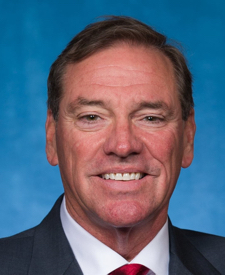
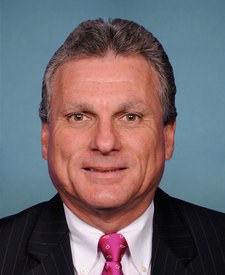
Sponsors
Legislative Progress
In CommitteeMr. Dunn of Florida (for himself and Mr. Carter of …
Referred to the Committee on Energy and Commerce, and in …
Submitted in House
Stakeholder Effects
cui bono?How this legislation distributes effects. Mention counts reflect frequency, not effect magnitude.
Illicit fentanyl manufacturers and trafficking organizations
Bill Structure & Actor Mappings
Who is "The Secretary" in each section?
Key Definitions
Terms defined in this bill
The most restrictive drug classification under 21 U.S.C. 813, for substances with high abuse potential and no accepted medical use
We use a combination of our own taxonomy and classification in addition to large language models to assess meaning and potential beneficiaries. High confidence means strong textual evidence. Always verify with the original bill text.
Learn more about our methodology