Expressing that the United States is obligated to permanently end the unhoused crisis by 2027 and uphold, protect, and enforce the civil and human rights of unhoused individuals, including the human rights to housing, universal health care, livable wages, education, employment opportunities, access to public facilities, free movement in public spaces, privacy, confidentiality, internet access, vote, freedom from harassment by law enforcement, private businesses, property owners, and housed residents, and equal rights to health care, legal representation, and social services without discrimination based on housing status.
Analysis under review: This bill has generated analysis that may be too generic or incomplete. Clause-level evidence remains available below.
Summary
What This Bill Does
This bill, Expressing that the United States is obligated to permanently end the unhoused crisis by 2027 and uphold, protect, and enforce the civil and human rights of unhoused individuals, including the human rights to housing, universal health care, livable wages, education, employment opportunities, access to public facilities, free movement in public spaces, privacy, confidentiality, internet access, vote, freedom from harassment by law enforcement, private businesses, property owners, and housed residents, and equal rights to health care, legal representation, and social services without discrimination based on housing status., changes federal law or congressional policy affecting schools, students, and education providers. The main policy domain is Education, Transportation, Criminal Justice.
Who Benefits and How
schools, students, and education providers may benefit from new authority, funding, eligibility, regulatory clarity, or reduced risk created by the bill.
Who Bears the Burden and How
federal implementing agencies, schools, students, and education providers may take on implementation duties, reporting obligations, compliance costs, or oversight responsibilities.
Key Provisions
- Section H39B79CAED4314110886CB34E5D617CA0: 1. Short title This resolution may be cited as the Unhoused Persons Bill of Rights.
- Section H039CDDE5707C48AE9329659A9570C058: 2. Establishing protections for unhoused individuals from violations of their rights It is the sense of the House of Representatives that the United States...
- Section HAFAD3A8EE72C477F9D2B6C47AC7C27D4: 3. Actions in pursuit of protection of the rights of unhoused individuals The House of Representatives shall strive to provide funding for the following: The...
- Section H233BCC8EF4F148ADA8605777DAFDFB6D: 4. Reports to Congress The House of Representatives shall strive to require the Department of Justice, the Department of Housing and Urban Development, and the...
Evidence Chain:
This summary is generated from the full bill text using AI analysis. Expand "Detailed Analysis" below for identified beneficiaries/burden bearers with clause-level evidence links.
At a Glance
What This Bill Does
This bill, Expressing that the United States is obligated to permanently end the unhoused crisis by 2027 and uphold, protect, and enforce the civil and human rights of unhoused individuals, including the human rights to housing, universal health care, livable wages, education, employment opportunities, access to public facilities, free movement in public spaces, privacy, confidentiality, internet access, vote, freedom from harassment by law enforcement, private businesses, property owners, and housed residents, and equal rights to health care, legal representation, and social services without discrimination based on housing status., changes federal law or congressional policy affecting schools, students, and education providers.
Key Policy Areas
Education, Transportation, Criminal Justice
Primary Purpose
This bill, Expressing that the United States is obligated to permanently end the unhoused crisis by 2027 and uphold, protect, and enforce the civil and human rights of unhoused individuals, including the human rights to housing, universal health care, livable wages, education, employment opportunities, access to public facilities, free movement in public spaces, privacy, confidentiality, internet access, vote, freedom from harassment by law enforcement, private businesses, property owners, and housed residents, and equal rights to health care, legal representation, and social services without discrimination based on housing status., changes federal law or congressional policy affecting schools, students, and education providers.
Policy Domains
Whole bill
Identified Gains
- schools, students, and education providers
Identified Costs
- federal implementing agencies
- schools, students, and education providers
Sponsors


Legislative Progress
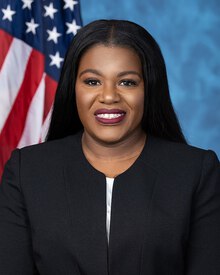
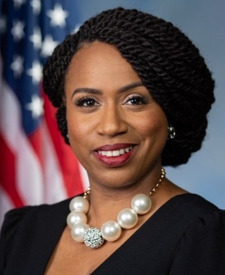
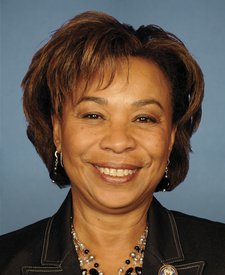
In CommitteeMs. Bush (for herself, Ms. Tlaib, Ms. Norton, Ms. Lee …
Impact analysis is available but no clear stakeholder effects identified. View clause-level analysis →
Bill Structure & Actor Mappings
Who is "The Secretary" in each section?
- "federal_implementing_agencies"
- → Federal agencies assigned duties by the bill
We use a combination of our own taxonomy and classification in addition to large language models to assess meaning and potential beneficiaries. High confidence means strong textual evidence. Always verify with the original bill text.
Learn more about our methodology