Reaffirming the principles of the United States Constitution, including separation of powers and the rule of law, and condemning efforts to undermine the same.
Analysis under review: This bill has generated analysis that may be too generic or incomplete. Clause-level evidence remains available below.
Summary
What This Bill Does
The bill creates this resolution reaffirms constitutional principles including separation of powers, checks and balances, judicial independence, and congressional authority over spending, war, and oversight. The main policy areas are Constitutional Law.
Who Benefits and How
Federal judiciary independence would be affected and Congressional institutional authority and oversight powers would be affected.
Who Bears the Burden and How
No clear private burden is identified from the available clause analysis; implementing agencies may still take on administrative work.
Key Provisions
- Creates this resolution reaffirms constitutional principles including separation of powers, checks and balances, judicial independence, and congressional authority over spending, war, and oversight.
Evidence Chain:
This summary is generated from the full bill text using AI analysis. Expand "Detailed Analysis" below for identified beneficiaries/burden bearers with clause-level evidence links.
At a Glance
What This Bill Does
The bill creates this resolution reaffirms constitutional principles including separation of powers, checks and balances, judicial independence, and congressional authority over spending, war, and oversight.
Key Policy Areas
Constitutional Law
Primary Purpose
The bill creates this resolution reaffirms constitutional principles including separation of powers, checks and balances, judicial independence, and congressional authority over spending, war, and oversight.
Policy Domains
Full Resolution
Identified Gains
- Federal judiciary independence
- Congressional institutional authority and oversight powers
Sponsors


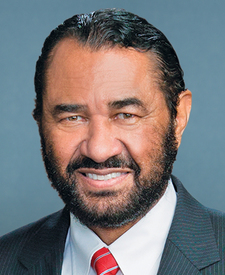


Legislative Progress
In CommitteeMr. Garamendi (for himself, Mrs. Fletcher, Mr. Carter of Louisiana, …
Referred to the House Committee on the Judiciary.
Submitted in House
Sponsor introductory remarks on measure. (CR E722)
Stakeholder Effects
cui bono?How this legislation distributes effects. Mention counts reflect frequency, not effect magnitude.
Congressional institutional authority and oversight powers
Bill Structure & Actor Mappings
Who is "The Secretary" in each section?
We use a combination of our own taxonomy and classification in addition to large language models to assess meaning and potential beneficiaries. High confidence means strong textual evidence. Always verify with the original bill text.
Learn more about our methodology