Expressing support for the designation of May 15, 2025, as "Prader-Willi Syndrome Awareness Day" to raise awareness of and promote research on the disorder.
Analysis under review: This bill has generated analysis that may be too generic or incomplete. Clause-level evidence remains available below.
Summary
What This Bill Does
This is a simple House resolution that expresses Congress's support for designating May 15, 2025 as "Prader-Willi Syndrome Awareness Day." Prader-Willi syndrome is a rare genetic disorder that affects approximately 1 in 15,000 people. The resolution recognizes the efforts of advocacy groups and calls attention to the need for better awareness, early diagnosis, research, and treatment development. Importantly, this is a non-binding resolution - it does not create any new laws, funding, or requirements.
Who Benefits and How
Prader-Willi syndrome patients, their families, and advocacy organizations receive symbolic recognition and congressional support. This may help raise public awareness and could potentially pave the way for future legislation that provides actual funding or regulatory changes. However, the resolution itself provides no tangible benefits such as research funding, insurance coverage mandates, or treatment subsidies. Medical researchers and pharmaceutical companies working on rare disease treatments receive acknowledgment that regulatory pathways for drug development are important, but no concrete policy changes.
Who Bears the Burden and How
No one bears any burden from this resolution. It requires no action from any federal agency, imposes no new regulations on businesses, and allocates no taxpayer funds. There are no compliance requirements, reporting mandates, or other obligations created by this resolution.
Key Provisions
- Supports the designation of May 15, 2025 as Prader-Willi Syndrome Awareness Day
- Applauds advocacy organizations and individuals working to support people affected by the disorder
- Recognizes the commitment of parents, families, researchers, and health professionals seeking treatments and cures
- Emphasizes the importance of public awareness, early and accurate diagnosis, advancing research, developing new treatments, and identifying regulatory pathways for rare disease drug development
- Creates no funding, mandates, or regulatory changes (purely symbolic expression of congressional support)
Evidence Chain:
This summary is generated from the full bill text using AI analysis. Expand "Detailed Analysis" below for identified beneficiaries/burden bearers.
At a Glance
What This Bill Does
A non-binding resolution expressing support for designating May 15, 2025 as Prader-Willi Syndrome Awareness Day and promoting awareness and research for this rare genetic disorder.
Who Benefits
- Prader-Willi syndrome patients and families
- Rare disease advocacy organizations
- Medical researchers focused on genetic disorders
Key Policy Areas
Healthcare, Rare Diseases, Medical Research, Public Health Awareness
Primary Purpose
A non-binding resolution expressing support for designating May 15, 2025 as Prader-Willi Syndrome Awareness Day and promoting awareness and research for this rare genetic disorder.
Policy Domains
Legislative Strategy
"Non-binding symbolic resolution to raise awareness for a rare genetic disorder affecting approximately 1 in 15,000 births"
Identified Gains
- Prader-Willi syndrome patients and families
- Rare disease advocacy organizations
- Medical researchers focused on genetic disorders
- Healthcare professionals treating rare diseases
Sponsors
Legislative Progress
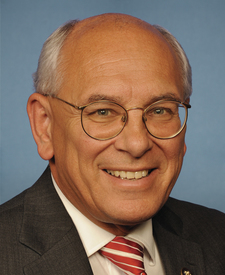
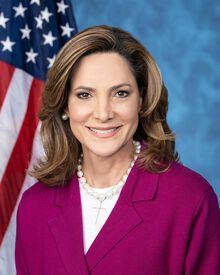
In CommitteeMr. Tonko (for himself and Ms. Salazar) submitted the following …
Referred to the House Committee on Energy and Commerce.
Submitted in House
Stakeholder Effects
cui bono?How this legislation distributes effects. Mention counts reflect frequency, not effect magnitude.
Prader-Willi syndrome advocacy organizations and patient support groups
Rare disease researchers and pharmaceutical companies developing Prader-Willi syndrome treatments
Patients and families affected by Prader-Willi syndrome
Bill Structure & Actor Mappings
Who is "The Secretary" in each section?
We use a combination of our own taxonomy and classification in addition to large language models to assess meaning and potential beneficiaries. High confidence means strong textual evidence. Always verify with the original bill text.
Learn more about our methodology