Condemning attacks on civilians in Sudan and calling for an end to external support to the warring parties and for efforts to promote a negotiated settlement of the war.
Summary
What This Bill Does
This House resolution condemns attacks on civilians in Sudan and recognizes that Sudanese people are entitled to safety and security. It specifically condemns the Rapid Support Forces' genocidal campaign against non-Arab communities in Darfur and calls on warring parties to protect civilians and stop attacks on schools, medical facilities, and places of worship. It praises humanitarian organizations and calls for unfettered aid access and safety for aid workers.
The resolution calls on external actors to stop material support to both the RSF and the Sudanese Armed Forces. It calls on the Trump Administration to act to end external support, negotiate an end to the civil war, and restore civilian-led democratic governance. It also asks the international community to support reconstruction, recovery, transitional justice, rule of law, social cohesion, and accountability for mass killings, sexual violence, and other abuses.
Who Benefits and How
Sudanese civilians benefit from congressional pressure for protection and an end to attacks. Darfur communities benefit from explicit condemnation of RSF violence against non-Arab communities. Humanitarian aid organizations benefit from House support for unfettered access and aid-worker safety. Sudanese civil society benefits from support for civilian-led governance and transitional justice. Human rights investigators benefit from support for accountability for mass killings and sexual violence.
Who Bears the Burden and How
RSF commanders are told they must stop attacks on civilians and protected sites, and the resolution builds a political record supporting future oversight and enforcement exposure for mass killings, sexual violence, and other abuses. SAF commanders face the same requirement to protect civilians and pressure to accept a negotiated end to the war. External military supporters of either side are told to lose or end material-support channels, which can increase diplomatic scrutiny, sanctions attention, and reputational risk. Trump Administration Sudan policy staff are urged to act on negotiations, external backing, and civilian-led governance. International reconstruction actors are asked to plan recovery, rule-of-law, social-cohesion, and transitional-justice implementation after the conflict.
Key Provisions
- Provides House condemnation of attacks on Sudanese civilians and RSF violence in Darfur.
- Requires political pressure for warring parties to protect civilians, schools, medical facilities, and places of worship.
- Directs attention to humanitarian access and aid-worker safety.
- Calls for external actors to end material support for the RSF and SAF.
- Supports civilian-led governance, reconstruction, transitional justice, and accountability.
Evidence Chain:
This summary is generated from the full bill text using AI analysis. Expand "Detailed Analysis" below for identified beneficiaries/burden bearers.
At a Glance
What This Bill Does
Condemns attacks on Sudanese civilians, specifically RSF violence against non-Arab communities in Darfur, calls for protection of schools, medical facilities, and places of worship, urges access and safety for humanitarian workers, demands an end to external material support for the RSF and SAF, and calls for negotiated civilian-led governance, reconstruction, and transitional justice.
Key Policy Areas
Sudan, Human Rights, Humanitarian Aid, Foreign Affairs
Primary Purpose
Condemns attacks on Sudanese civilians, specifically RSF violence against non-Arab communities in Darfur, calls for protection of schools, medical facilities, and places of worship, urges access and safety for humanitarian workers, demands an end to external material support for the RSF and SAF, and calls for negotiated civilian-led governance, reconstruction, and transitional justice.
Policy Domains
House resolution provisions
Identified Gains
Contextual inference, no direct clause citation- Sudanese civilians
- Darfur communities
- Humanitarian aid organizations
- Sudanese civil society
- Human rights investigators
Contextual inference, no direct clause citation
Identified Costs
Contextual inference, no direct clause citation- RSF commanders
- SAF commanders
- External military supporters
- Trump Administration Sudan policy staff
- International reconstruction actors
Contextual inference, no direct clause citation
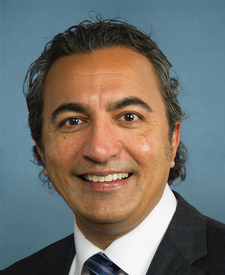
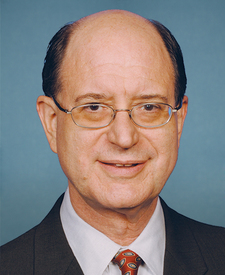
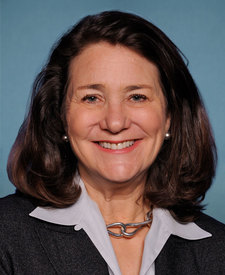
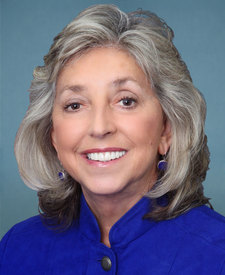
Sponsors

Legislative Progress
ReportedOrdered to be Reported in the Nature of a Substitute …
Committee Consideration and Mark-up Session Held
Referred to the House Committee on Foreign Affairs.
Submitted in House
Ms. Jayapal (for herself, Ms. Jacobs, Mr. Meeks, Mr. Jackson …
Stakeholder Effects
cui bono?How this legislation distributes effects. Mention counts reflect frequency, not effect magnitude.
External military supporters, RSF commanders, SAF commanders
Bill Structure & Actor Mappings
Who is "The Secretary" in each section?
- "rsf"
- → Rapid Support Forces
- "saf"
- → Sudanese Armed Forces
We use a combination of our own taxonomy and classification in addition to large language models to assess meaning and potential beneficiaries. High confidence means strong textual evidence. Always verify with the original bill text.
Learn more about our methodology