To direct the Director of the United States Secret Service to apply the same standards for determining the number of agents required to protect Presidents, Vice Presidents, and major Presidential and Vice Presidential candidates, and for other purposes.
Analysis under review: This bill has generated analysis that may be too generic or incomplete. Clause-level evidence remains available below.
Summary
What This Bill Does
This bill requires the Secret Service to use the same standards for determining protection levels for sitting Presidents, Vice Presidents, and major Presidential/Vice Presidential candidates, plus mandates a comprehensive review and report to Congress.
Who Benefits and How
- Presidential/VP candidates receive protection equivalent to incumbents
- Democracy benefits from equal protection of candidates
- Congress receives comprehensive review of protection practices
Who Bears the Burden and How
- Secret Service must apply uniform standards and conduct review
- Federal budget may increase if candidate protection expands
- 180-day deadline for comprehensive review and report
Key Provisions
- Uniform standards for protection levels
- Applies to Presidents, VPs, former Presidents, and major candidates
- 180-day comprehensive review required
- Report to House and Senate Judiciary Committees
Evidence Chain:
This summary is generated from the full bill text using AI analysis. Expand "Detailed Analysis" below for identified beneficiaries/burden bearers.
At a Glance
What This Bill Does
Requires Secret Service to apply uniform protection standards for Presidents, Vice Presidents, and major candidates.
Who Benefits
- Presidential candidates
- Democratic process
Who Bears Costs
- Secret Service
- Federal budget
Key Policy Areas
Executive Protection, Elections, Law Enforcement
Primary Purpose
Requires Secret Service to apply uniform protection standards for Presidents, Vice Presidents, and major candidates.
Policy Domains
Legislative Strategy
"Ensure equal protection for presidential candidates"
Sponsors

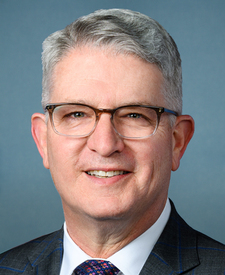
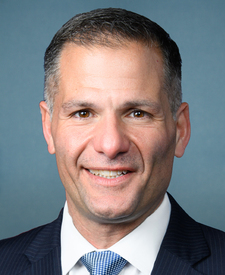
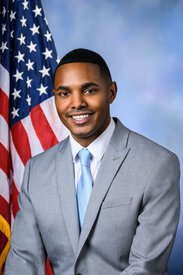
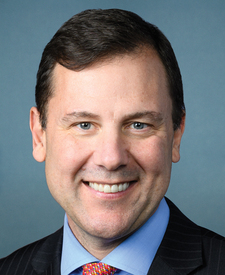
Legislative Progress
Enrolled (Passed Congress)Received
Mr. Lawler (for himself, Mr. Torres of New York, Mr. …
Passed House (inferred from eh version)
Passed Senate (inferred from enr version)
Enrolled Bill (inferred from enr version)
Stakeholder Effects
cui bono?How this legislation distributes effects. Mention counts reflect frequency, not effect magnitude.
U.S. Secret Service
U.S. Secret Service faces effects in multiple directions
Presidential and Vice Presidential candidates
Bill Structure & Actor Mappings
Who is "The Secretary" in each section?
- "director"
- → Director of the Secret Service
We use a combination of our own taxonomy and classification in addition to large language models to assess meaning and potential beneficiaries. High confidence means strong textual evidence. Always verify with the original bill text.
Learn more about our methodology