To provide protection, support, and humanitarian assistance to Rohingya refugees and internally displaced people as well as promote accountability and a path out of genocide and crimes against humanity for Rohingya.
Analysis under review: This bill has generated analysis that may be too generic or incomplete. Clause-level evidence remains available below.
Summary
What This Bill Does
This bill, To provide protection, support, and humanitarian assistance to Rohingya refugees and internally displaced people as well as promote accountability and a path out of genocide and crimes against humanity for Rohingya., changes federal law or congressional policy affecting law enforcement, courts, victims, and regulated public-safety actors. The main policy domain is Criminal Justice, Government Operations, Foreign Policy.
Who Benefits and How
law enforcement, courts, victims, and regulated public-safety actors may benefit from new authority, funding, eligibility, regulatory clarity, or reduced risk created by the bill.
Who Bears the Burden and How
federal implementing agencies, law enforcement, courts, victims, and regulated public-safety actors may take on implementation duties, reporting obligations, compliance costs, or oversight responsibilities.
Key Provisions
- Section H54E4474197344ECA983E2F09C832A858: 1. Short title This Act may be cited as the “Rohingya Genocide Accountability and Protection Act” or “Rohingya GAP Act”.
- Section HD7CDC4E73FC5494A9E667F1D4B54436A: 2. Findings Congress finds the following: In its report dated September 17, 2018, the United Nations Independent International Fact-Finding Mission on Myanmar...
- Section H38C125ACC32B49E9BEB3E8E826AD2119: 3. Statement of policy It is the policy of the United States— to uphold Article I of the Convention on the Prevention and Punishment of the Crime of Genocide,...
- Section H0A524F0907994EF8AEA617C9691807B7: 4. Sense of Congress It is the sense of Congress that— the United States has a moral and legal responsibility to prevent and punish genocide, including against...
- Section H698B8FF0708E4187AC7A385069E0232A: 5. United States Special Coordinator for Rohingya Atrocities Prevention and Response The President is authorized to designate an official of the Department of...
Evidence Chain:
This summary is generated from the full bill text using AI analysis. Expand "Detailed Analysis" below for identified beneficiaries/burden bearers with clause-level evidence links.
At a Glance
What This Bill Does
This bill, To provide protection, support, and humanitarian assistance to Rohingya refugees and internally displaced people as well as promote accountability and a path out of genocide and crimes against humanity for Rohingya., changes federal law or congressional policy affecting law enforcement, courts, victims, and regulated public-safety actors.
Key Policy Areas
Criminal Justice, Government Operations, Foreign Policy
Primary Purpose
This bill, To provide protection, support, and humanitarian assistance to Rohingya refugees and internally displaced people as well as promote accountability and a path out of genocide and crimes against humanity for Rohingya., changes federal law or congressional policy affecting law enforcement, courts, victims, and regulated public-safety actors.
Policy Domains
Whole bill
Identified Gains
- law enforcement, courts, victims, and regulated public-safety actors
Identified Costs
- federal implementing agencies
- law enforcement, courts, victims, and regulated public-safety actors
Legislative Progress
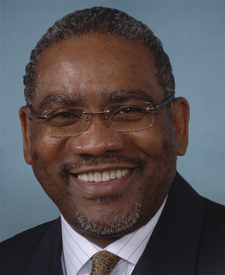
IntroducedMr. Meeks introduced the following bill; which was referred to …
Impact analysis is available but no clear stakeholder effects identified. View clause-level analysis →
Bill Structure & Actor Mappings
Who is "The Secretary" in each section?
- "the_secretary"
- → The Secretary identified in the operative section
- "the_commission"
- → The commission identified in the operative section
- "the_administrator"
- → The Administrator identified in the operative section
Key Definitions
Terms defined in this bill
financial assistance for— tuition and fees required to attend an educational institution, in full or in part
We use a combination of our own taxonomy and classification in addition to large language models to assess meaning and potential beneficiaries. High confidence means strong textual evidence. Always verify with the original bill text.
Learn more about our methodology